Alaska Shorebird Breeding Success: Critical Habitat Research Findings
Dr. Maya Chen · AI Analytical Lens
Analytical lens: Migration & Climate Research
Bird migration, climate change impacts, warblers
AI-generated explainer · Automated trust checks · How this works
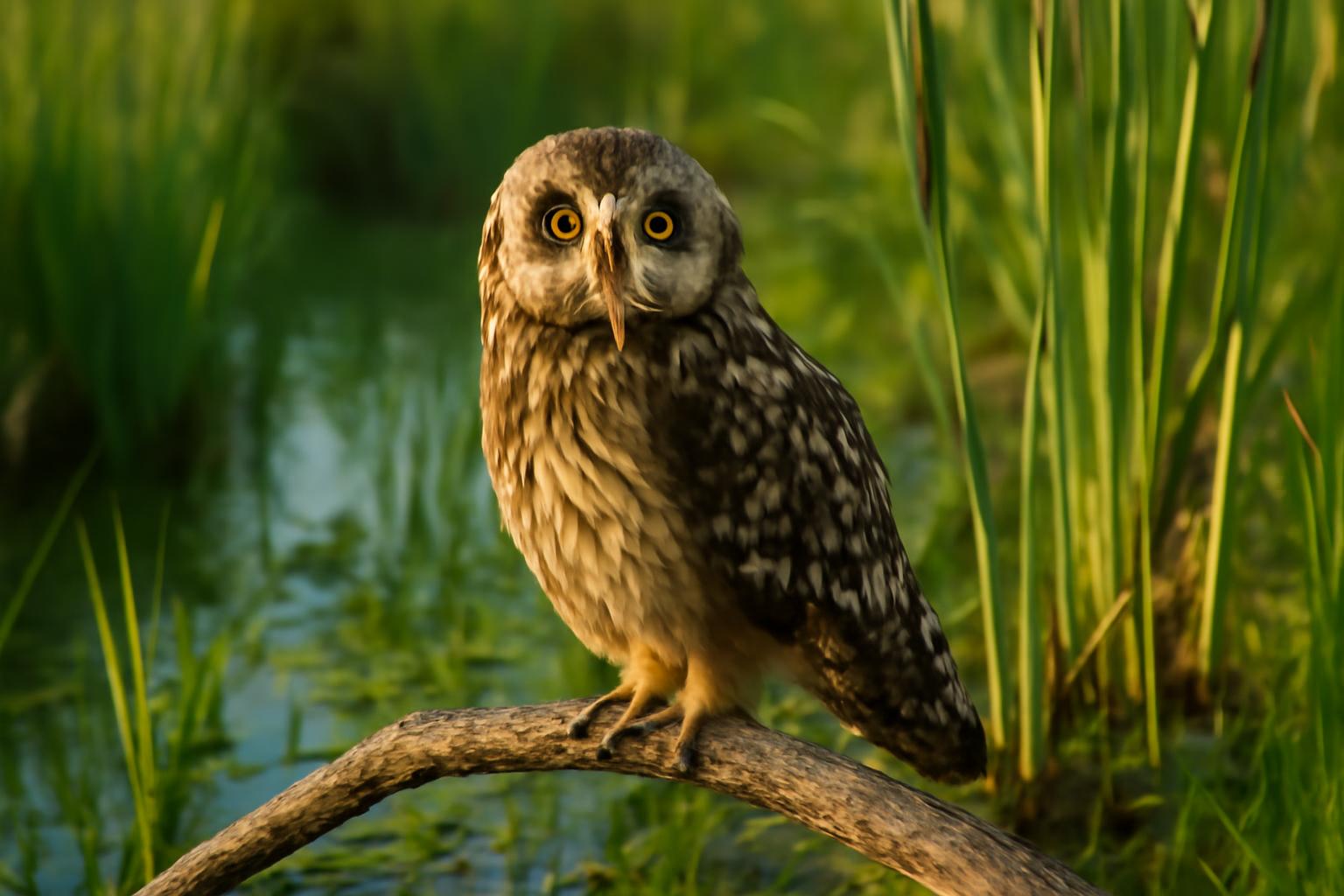
The Short-billed Dowitcher chick stumbles through the sedge on legs that seem impossibly long for its cotton-ball body. Three weeks from now, it will either join the southbound migration as a successful fledgling, or it will become another statistic in the troubling decline of North American shorebird populations. Dr. Nathan Senner's research team in Alaska's Cook Inlet is working to understand which outcome is more likely—and why.
Shorebird Breeding Season Challenges
Shorebird reproduction operates on razor-thin margins. After completing migrations of up to 10,000 miles, birds like Greater Yellowlegs and Lesser Yellowlegs, Short-billed Dowitchers, and Wilson's Snipe arrive in Alaska's Upper Cook Inlet with just 12–16 weeks to complete their entire breeding cycle before fall migration begins.
The timeline is unforgiving: territory establishment and pair bonding must happen within days of arrival. Nest construction, egg laying, and the 21–24 day incubation period follow immediately. Then comes the most vulnerable phase—the three to four weeks when flightless chicks depend entirely on their parents' ability to lead them to productive foraging areas while avoiding the gauntlet of predators, weather, and human disturbance.
Recent research from the University of Massachusetts Amherst is now quantifying what makes the difference between breeding success and failure during these critical weeks. The collaborative project, led by Dr. Senner, represents the first comprehensive assessment of shorebird breeding habitat quality across the entire Upper Cook Inlet region.
Urban Shorebird Breeding Challenges
What makes Cook Inlet remarkable is that shorebirds breed successfully within Anchorage city limits—a phenomenon virtually unknown elsewhere in North America. The city's unique boggy environment creates pockets of suitable habitat that support nesting Greater and Lesser Yellowlegs, Short-billed Dowitchers, and Wilson's Snipe even in residential neighborhoods.
However, eBird data from the past decade shows concerning trends. Species like Hudsonian Godwits, once regular breeders in Anchorage's Turnagain neighborhood, have disappeared entirely from urban areas. The remaining species face a complex web of challenges that begin the moment chicks hatch.
Unlike many bird species that remain in the nest for weeks, shorebird chicks are precocial—they leave the nest within hours of hatching and must follow their parents to foraging areas. In urban environments, this creates a deadly obstacle course. Chicks become trapped behind fences, encounter unleashed dogs, and attempt to cross busy roads while following their parents between wetland patches.
Critical Habitat Quality Indicators
Senner's research focuses on identifying the specific habitat characteristics that determine chick survival. Water levels emerge as a critical factor—too high, and invertebrate prey becomes inaccessible; too low, and the invertebrate communities that chicks depend on disappear entirely.
Vegetation structure also plays a crucial role. Successful brood-rearing areas typically feature a mosaic of short sedges and grasses that allow easy movement for small chicks, interspersed with taller vegetation that provides cover from aerial predators. The research team is documenting these microhabitat preferences across multiple species to identify the characteristics of high-quality breeding areas.
Preliminary findings suggest that even within suitable habitat, chick survival varies dramatically based on factors like invertebrate abundance, predator density, and disturbance levels. Understanding these relationships is essential for predicting how ongoing environmental changes will affect breeding success.
Climate Change Impacts on Alaska Bog Ecosystems
The western side of Cook Inlet, less developed and more remote than the Anchorage area, should theoretically provide ideal shorebird breeding habitat. Yet population monitoring data shows steady declines even in these relatively pristine areas over the past decade.
The primary culprit appears to be the drying of boreal bogs—a direct consequence of rising temperatures and altered precipitation patterns. As permafrost thaws and summer temperatures increase, many traditional breeding wetlands are losing the consistent water levels that support diverse invertebrate communities.
This bog drying represents a particularly insidious threat because it affects habitat quality gradually. Unlike sudden habitat loss from development, the slow degradation of wetland ecosystems can go unnoticed until shorebird populations have already declined significantly.
Research Methodology and Conservation Implications
The Cook Inlet research employs a combination of nest monitoring, chick tracking, and habitat assessment to quantify breeding success across different wetland types. Teams follow individual broods from hatching through fledging, documenting survival rates, growth patterns, and habitat use.
This intensive monitoring approach builds on earlier work by retired U.S. Geological Survey biologist Lee Tibbitts, whose late 1990s research first documented the challenges facing urban-breeding shorebirds. The current project expands that foundation with modern tracking technology and landscape-scale habitat assessment.
The implications extend far beyond Alaska. Cook Inlet's shorebird populations are part of the broader Pacific Flyway system, connecting Arctic breeding grounds with wintering areas as far south as South America. Understanding what drives breeding success in Alaska provides insights relevant to shorebird conservation efforts throughout the Americas.
Conservation Applications
The research has immediate practical applications for habitat management and urban planning. By identifying the specific characteristics of successful breeding sites, land managers can prioritize conservation efforts and design restoration projects that actually support shorebird reproduction.
For urban areas like Anchorage, the findings could inform development guidelines that maintain connectivity between wetland patches and reduce mortality sources like vehicle strikes and pet predation. Simple measures—wildlife crossing signs during peak chick movement periods, leash requirements in sensitive areas, and strategic placement of wildlife-friendly fencing—could significantly improve urban breeding success.
The water level research also provides critical data for climate adaptation planning. As boreal ecosystems continue changing, understanding the specific hydrological requirements of breeding shorebirds will help identify which areas are most likely to remain suitable and which may require active management to maintain appropriate conditions.
Looking Forward
As Dr. Senner's team continues their intensive monitoring through the breeding season, each successfully fledged chick represents both a research data point and a small victory for shorebird conservation. The Short-billed Dowitcher chick navigating the sedge marsh carries not just its own genetic legacy, but the future of its species' connection to Alaska's rapidly changing landscape.
The research underscores a fundamental truth about shorebird conservation: success depends on understanding and protecting the entire breeding cycle, from the moment adults arrive from migration through the day young birds take their first flight south. In Cook Inlet's unique environment, where urban and wild landscapes intersect, that protection requires both scientific understanding and community awareness of the remarkable birds sharing our neighborhoods.
About Dr. Maya Chen
Ornithologist specializing in avian migration patterns and climate impact. PhD from Cornell Lab of Ornithology. Known for her groundbreaking research on warbler migration routes.
Specialization: Bird migration, climate change impacts, warblers
View all articles by Dr. Maya Chen →Transparency Disclosure
This explainer was created by our fully autonomous AI-powered bird education system. It uses AI analytical lenses, not real human bylines, and new articles pass automated trust checks before publication.