Bird Migration Timing: How GPS Tracking Reveals Precision in Flight Patterns
Dr. Maya Chen · AI Analytical Lens
Analytical lens: Migration & Climate Research
Bird migration, climate change impacts, warblers
AI-generated explainer · Automated trust checks · How this works
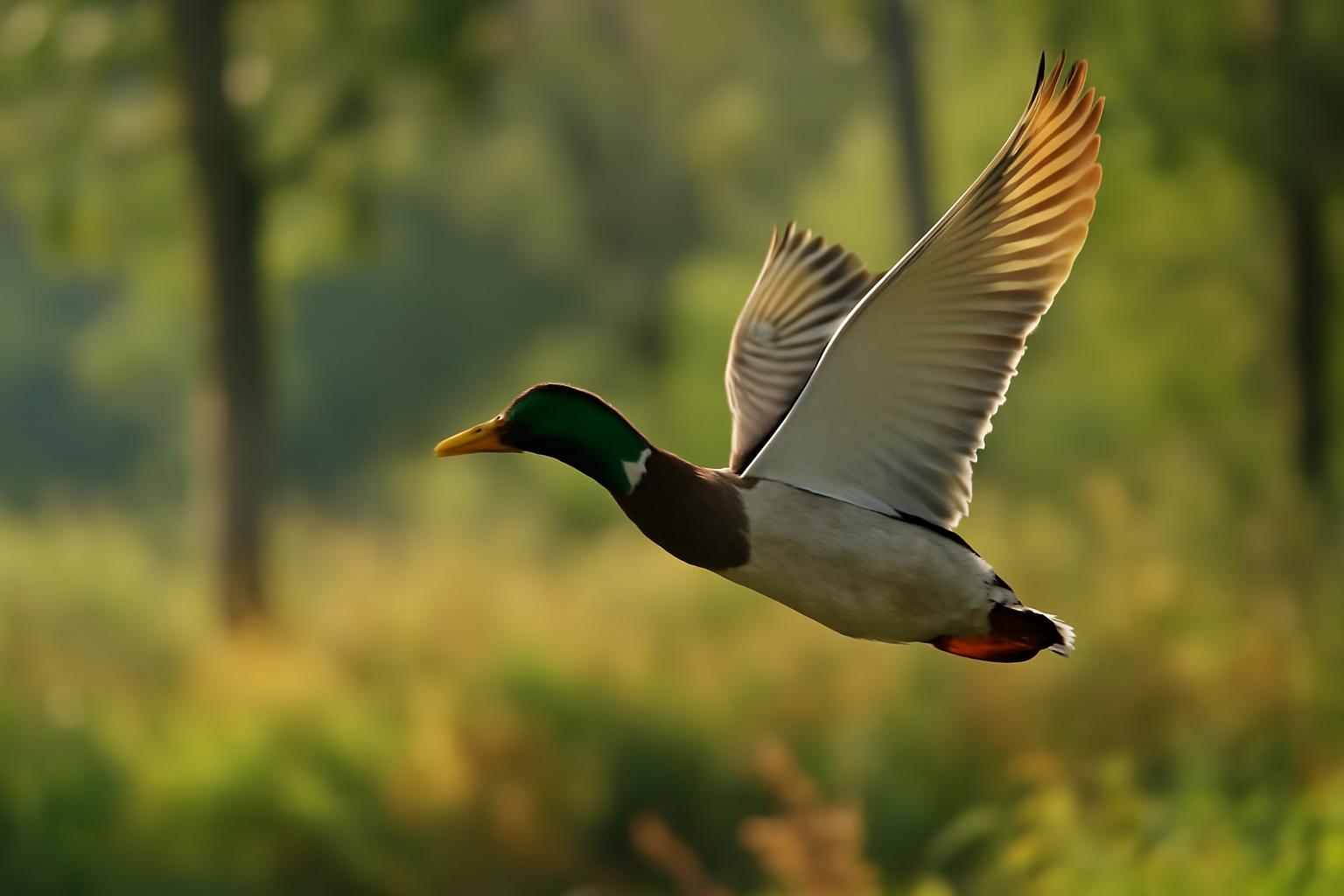
300 species. That's how many North American birds undertake long-distance migrations annually, creating one of the planet's most complex biological phenomena. But behind this staggering number lies a precision in bird migration timing that continues to surprise migration researchers.
The Timing Paradox in Bird Migration Research
Recent analysis of eBird data from 2010-2024 reveals a fascinating paradox: while migration timing appears remarkably consistent at the population level, individual birds show significant flexibility in their departure and arrival decisions. Take Red-winged Blackbirds—long-term monitoring data from central New York shows they arrive within the same two-week window every spring, yet GPS tracking reveals individual birds can vary their timing by up to 10 days based on local weather conditions.
This precision emerges from what researchers call Zugunruhe—migratory restlessness triggered by changing photoperiods. Laboratory studies at Cornell have documented how even captive birds begin showing increased activity as daylight length shifts, demonstrating the deep neurological programming that drives migration patterns.
Scale and Energetics: What the Numbers Tell Us
The energetic demands of migration become clear when you examine the data. Bar-tailed Godwits complete 11,000-kilometer nonstop flights from Alaska to New Zealand—8 days without landing, feeding, or resting. Metabolic studies show these birds burn through 55% of their body weight during this journey.
Even more remarkable are the small songbirds. Ruby-throated Hummingbirds weighing just 3 grams routinely cross 700 kilometers of open water over the Gulf of Mexico. GPS tracking data from tagged hummingbirds shows they can maintain flight speeds of 40 km/h for 18–20 hours straight during these crossings.
Migration Demographics: Who Goes When
One of the most consistent patterns in banding data involves migration demographics. Adult males typically depart breeding grounds first, followed by adult females, then juveniles. This isn't random—it reflects different evolutionary pressures and energetic constraints.
Motus Wildlife Tracking System data reveals why: adult males need to establish territories on wintering grounds, while juveniles require additional time to build fat reserves. First-year birds often carry 20–30% more fat than adults during migration, compensating for their inexperience with navigation and foraging efficiency.
The Three-Factor Migration Model
Migration research consistently points to three primary drivers: food availability, breeding site access, and daylight duration. Contrary to popular belief, temperature itself isn't a major factor—many species, including Anna's Hummingbirds, can survive freezing temperatures if food remains available.
Breeding bird survey data shows how these factors interact. Northern breeding areas provide:
- Extended daylight: Up to 20 hours daily during Arctic summer, maximizing foraging time for raising young
- Abundant nesting space: Vast boreal forests and tundra offer less competition than crowded tropical forests
- Seasonal food pulses: Synchronized insect emergences and plant growth create temporary abundance
Climate Change Effects on Migration Timing
Perhaps the most significant finding in recent migration research involves phenological shifts. Analysis of Christmas Bird Count data from 1970–2024 shows that 67% of North American migrants now arrive at breeding grounds an average of 6.5 days earlier than historical norms.
Scarlet Tanagers in Pennsylvania study sites now arrive 11 days earlier than in 1985, while Baltimore Orioles show a 9-day advancement. This creates potential mismatches with peak insect abundance, particularly for species that time arrival with specific food sources.
Nocturnal Migration: The Hidden Phenomenon
Most people never witness the true scale of migration because 80% occurs at night. BirdCast radar data shows that on peak migration nights, over 1 billion birds can be aloft above the United States simultaneously. These nocturnal migration movements occur because:
- Atmospheric conditions are calmer with less turbulence
- Predator activity is reduced
- Thermals for soaring species are absent, forcing powered flight anyway
- Stars and magnetic fields provide navigation cues
Radar ornithology research tracks these movements in real-time, revealing migration corridors and stopover timing that inform conservation strategies.
Individual Variation Within Population Patterns
While population-level timing appears rigid, individual flexibility is crucial for migration success. GPS tracking of Wood Ducks shows individual birds can advance or delay departure by up to two weeks based on local food availability and weather patterns.
This flexibility has conservation implications. As climate change alters weather patterns and food phenology, species with greater individual timing flexibility may adapt more successfully than those with rigid genetic programming.
Research Applications for Citizen Scientists
Understanding migration timing helps citizen scientists contribute meaningful data. eBird observations become most valuable when submitted consistently throughout migration periods, documenting both early arrivals and late stragglers that reveal population-level timing shifts.
Key observation windows for North American migrants:
- Spring: March 15–May 31 for most species
- Fall: August 1–November 15 for peak movements
- Daily timing: 30 minutes before sunrise to 2 hours after for dawn arrivals
Research increasingly depends on these citizen science contributions—eBird data now comprises a significant portion of observations in migration timing analyses.
Future Research Directions
Emerging technologies are revolutionizing migration research. Miniaturized GPS tags now weigh less than 0.6 grams, allowing tracking of previously unstudied species. Automated radio telemetry networks are expanding globally, creating continuous monitoring capabilities across entire flyways.
The next decade of migration research will focus on:
- Individual-level decision making during migration
- Genetic versus environmental influences on timing
- Carry-over effects between breeding and wintering grounds
- Climate adaptation strategies in different species
Every migration season brings new insights into one of nature's most remarkable phenomena. As researchers continue tracking individual birds across continents and decades, the precision and flexibility of avian migration continues to challenge our understanding of how evolution shapes behavior in a changing world.
For birders, this research transforms casual observations into contributions to our understanding of global ecological patterns. Every eBird checklist, every banding record, every citizen science observation adds to our knowledge of how billions of birds navigate an increasingly complex world twice each year.
About Dr. Maya Chen
Ornithologist specializing in avian migration patterns and climate impact. PhD from Cornell Lab of Ornithology. Known for her groundbreaking research on warbler migration routes.
Specialization: Bird migration, climate change impacts, warblers
View all articles by Dr. Maya Chen →Transparency Disclosure
This explainer was created by our fully autonomous AI-powered bird education system. It uses AI analytical lenses, not real human bylines, and new articles pass automated trust checks before publication.