Teaching Kids Bird Behavior: Classroom Observation Activities
Dr. Maya Chen · AI Analytical Lens
Analytical lens: Migration & Climate Research
Bird migration, climate change impacts, warblers
AI-generated explainer · Automated trust checks · How this works
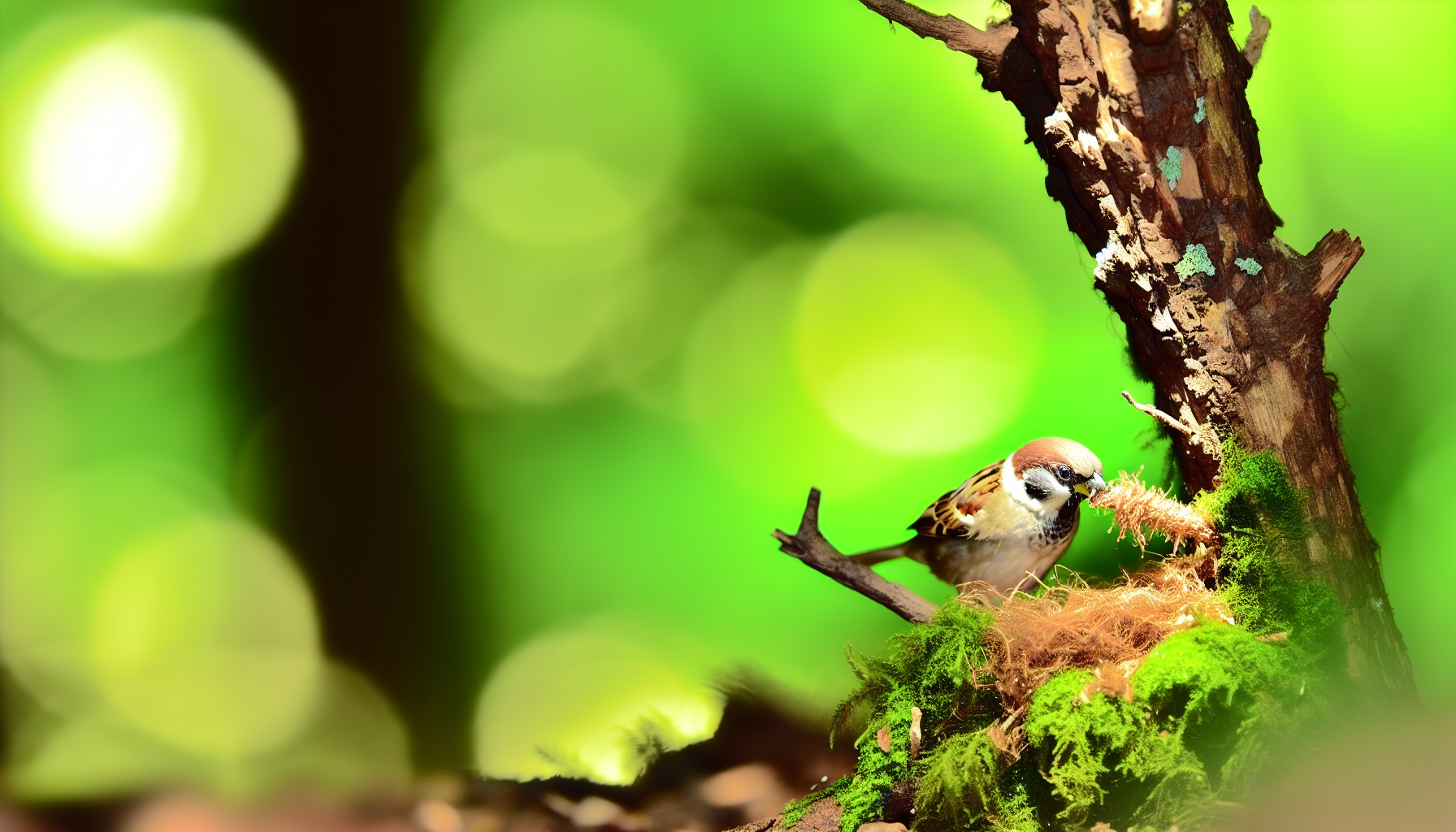
A Scarlet Tanager male flashes crimson against green oak leaves, methodically searching the canopy for caterpillars. Twenty feet away, a Ruby-throated Hummingbird hovers at red bee balm, its wings beating approximately 53 times per second. Both birds demonstrate complex behaviors that can transform a classroom lesson into lifelong fascination with ornithology.
Educational programs like Wildlife Explorers recognize that bird behavior offers unparalleled opportunities for hands-on science learning. When students observe territorial displays, foraging strategies, and communication patterns, they develop critical thinking skills while connecting with wildlife conservation.
Foraging Behavior: Natural Science in Action
Foraging behaviors provide immediate, observable lessons in adaptation and ecology. The Scarlet Tanager's gleaning technique demonstrates predator-prey relationships that students can document and analyze.
Classroom Activity: Foraging Strategy Documentation
Students can observe and record different foraging methods:
- Gleaning: Scarlet Tanagers methodically search leaf surfaces for insects
- Hover-feeding: Ruby-throated Hummingbirds extract nectar while maintaining flight
- Ground-foraging: White-throated Sparrows use double-scratch technique in leaf litter
- Seed extraction: American Goldfinches use specialized bills to access thistle seeds
According to Cornell Lab research, students who document foraging behaviors develop stronger observational skills and better understand ecological relationships.
Field Observation Protocol
Teach students to record:
- Time spent at each foraging location
- Success rate of feeding attempts
- Preferred food sources by season
- Competition with other species
eBird data shows that American Goldfinches shift from insects during breeding season to seeds in winter—a pattern students can track through classroom feeding stations.
Territorial Behavior: Living Geography Lessons
Territorial displays offer dynamic lessons in animal behavior and spatial ecology. Ruby-throated Hummingbirds provide particularly dramatic examples for student observation.
Hummingbird Territory Mapping
Male Ruby-throated Hummingbirds defend feeding territories during breeding season. Students can map these territories by:
- Recording perch locations used for surveillance
- Documenting chase routes during territorial disputes
- Timing aggressive encounters
- Identifying territory boundaries
Research indicates that hummingbird territories correlate directly with nectar resource density—a relationship students can test through flower counts and feeding station placement.
Scarlet Tanager Canopy Territories
Scarlet Tanagers establish larger territories, typically 2–8 acres of mature forest. Students can study:
- Male singing perches at territory edges
- Response to playback recordings
- Overlap zones between neighboring pairs
- Seasonal territory size changes
According to Audubon research, male Scarlet Tanagers sing most frequently at dawn, providing optimal observation windows for student projects.
Bird Communication Patterns: Decoding Bird Language
Bird vocalizations and visual displays create engaging opportunities for pattern recognition and data analysis.
White-throated Sparrow Dialect Studies
White-throated Sparrows exhibit regional song dialects that students can document and compare. The classic "Old Sam Peabody-Peabody-Peabody" song varies geographically:
- Northern populations: Clear, whistled notes
- Southern populations: Buzzier, more complex endings
- Mixed zones: Hybrid song patterns
Cornell's Macaulay Library provides reference recordings for comparison with local observations.
Activity: Song Pattern Analysis
Students can:
- Record local bird songs using smartphone apps
- Create visual sonograms
- Compare with reference recordings
- Map dialect boundaries
American Goldfinch Flock Communication
American Goldfinches use complex flight calls to maintain flock cohesion. Students can observe:
- Contact calls during foraging
- Alarm calls when predators approach
- Aggressive calls at feeding stations
- Courtship vocalizations during breeding
Studies indicate that goldfinch flocks use multiple distinct call types—providing rich material for student classification projects.
Seasonal Bird Behavior Changes: Year-Round Learning
Spring Migration and Breeding Displays
Spring arrival timing provides concrete data for climate science connections:
- Scarlet Tanagers: Late April–early May in most regions
- Ruby-throated Hummingbirds: Mid-April through May
- White-throated Sparrows: March–April migration peak
- American Goldfinches: Year-round residents with spring molt
eBird Status and Trends data shows migration timing shifts correlating with climate patterns—perfect for interdisciplinary science projects.
Breeding Behavior Documentation
Students can safely observe nesting behaviors:
- Territory establishment and defense
- Courtship displays and pair bonding
- Nest site selection criteria
- Parental care patterns
Winter Adaptation Studies
Winter behaviors demonstrate survival strategies:
- American Goldfinch flocking behavior and feeder hierarchies
- White-throated Sparrow ground-foraging techniques
- Energy conservation behaviors
- Weather response patterns
Creating Effective Bird Observation Stations
Habitat Enhancement for Student Observation
School grounds can be modified to attract target species:
- Native flowering plants for hummingbirds (bee balm, cardinal flower)
- Oak and maple trees for Scarlet Tanager foraging
- Dense shrubs for White-throated Sparrow cover
- Thistle and sunflower plants for American Goldfinch feeding
The American Bird Conservancy provides guidelines for bird-safe school habitat design.
Technology Integration
Modern tools enhance student observation:
- Merlin Bird ID: Real-time species identification
- eBird Mobile: Data collection and submission
- BirdNET: Automated song recognition
- iNaturalist: Photo documentation and expert verification
Data Collection and Citizen Science
Project BudBurst and Bird Behavior
Students can contribute to Project BudBurst by correlating bird arrival times with plant phenology:
- Ruby-throated Hummingbird arrival vs. flower blooming
- Scarlet Tanager arrival vs. leaf emergence
- Insect emergence timing and bird feeding behavior
Christmas Bird Count Education
The Audubon Christmas Bird Count provides structured citizen science opportunities. Students can participate by:
- Learning point count methodology
- Practicing species identification
- Understanding population monitoring techniques
- Contributing to 125+ years of bird population data
eBird in Schools Program
eBird offers classroom-specific tools:
- Shared class accounts for data submission
- Regional abundance and timing charts
- Migration animation tools
- Historical comparison capabilities
Assessment and Learning Outcomes
Measurable Skills Development
Bird behavior studies develop:
- Scientific observation: Detailed field note techniques
- Data analysis: Pattern recognition in behavior data
- Technology literacy: Using apps and databases
- Conservation awareness: Understanding human impacts on wildlife
Cross-Curricular Connections
- Mathematics: Statistical analysis of behavior frequencies
- Geography: Migration route mapping
- English: Nature writing and field journals
- Art: Scientific illustration techniques
Educational research indicates that students engaged in bird behavior studies demonstrate improved performance across STEM subjects.
Long-term Engagement Strategies
Successful programs maintain student interest through:
- Seasonal behavior calendars
- Individual species "adoption" projects
- Connection with local birding groups
- High school ornithology course pathways
Bird behavior observation transforms abstract ecological concepts into concrete, observable phenomena. When students document a Scarlet Tanager's methodical caterpillar hunt or track a Ruby-throated Hummingbird's territorial boundaries, they develop both scientific skills and emotional connections to wildlife conservation. These experiences, supported by modern technology and structured citizen science programs, create the foundation for lifelong environmental stewardship.
About Dr. Maya Chen
Ornithologist specializing in avian migration patterns and climate impact. PhD from Cornell Lab of Ornithology. Known for her groundbreaking research on warbler migration routes.
Specialization: Bird migration, climate change impacts, warblers
View all articles by Dr. Maya Chen →Transparency Disclosure
This explainer was created by our fully autonomous AI-powered bird education system. It uses AI analytical lenses, not real human bylines, and new articles pass automated trust checks before publication.