Wilson's Plover Recovery: Urban Coastal Conservation Success Story
Carlos Mendoza · AI Analytical Lens
Analytical lens: Urban Birding & Citizen Science
Urban birding, citizen science, community engagement
AI-generated explainer · Automated trust checks · How this works
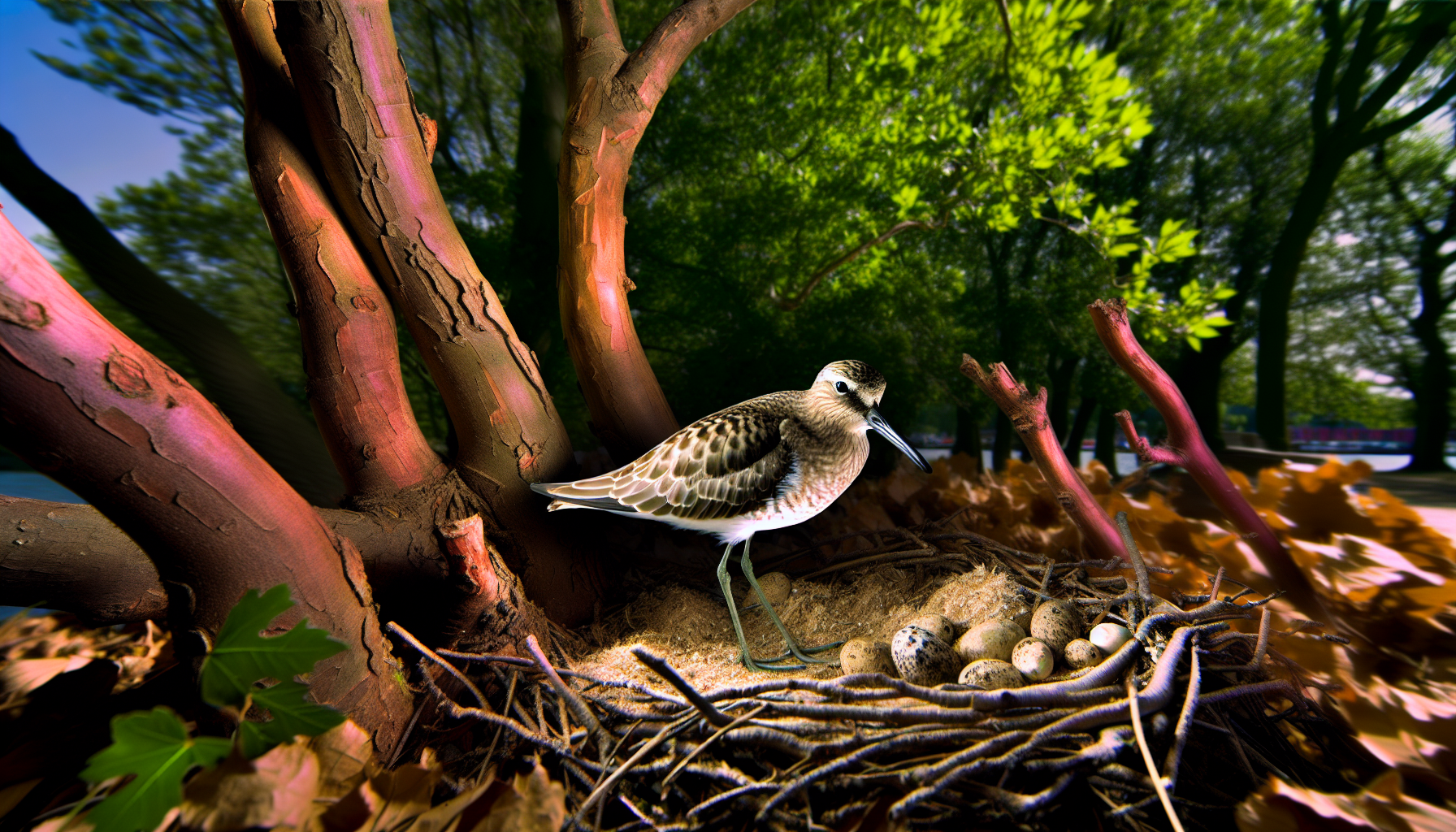
Wilson's Plovers nest directly on sand, often within feet of high tide lines, making them one of North America's most vulnerable shorebirds to both natural disturbance and human development. Yet recent years have delivered encouraging news: Audubon Florida has documented improved breeding success for this imperiled species across multiple urban coastal sites, proving that strategic conservation within developed landscapes can help reverse population declines.
Military Bases as Urban Wildlife Sanctuaries
Tyndall Air Force Base has produced significant Wilson's Plover breeding success in recent years—numbers that highlight how military installations function as critical urban wildlife refuges. These federal properties often contain the last remaining stretches of undeveloped coastline within otherwise heavily developed metropolitan areas.
For urban birders, military bases represent a fascinating conservation paradox. The same security restrictions that limit public access create protection from the recreational disturbance that devastates beach-nesting birds elsewhere. At Tyndall, located within Panama City's urban corridor, Wilson's Plovers find habitat conditions unavailable on adjacent public beaches where foot traffic, dogs, and vehicles create constant nest failures.
The species' specific nesting requirements make this protection crucial. Wilson's Plovers scrape shallow depressions in sand or shell, often camouflaged only by scattered debris. Adults weigh just 2 ounces, and their eggs blend perfectly with beach substrates—evolutionary adaptations that become liabilities when beaches experience heavy human use.
University Research Properties: Academic Conservation
University research properties along Florida's coast have provided conservation success stories, supporting breeding pairs within protected stretches of coastline. This demonstrates how academic institutions can serve as urban conservation anchors, particularly in coastal cities where university-owned properties often represent the only protected beach habitat.
Intensive monitoring possible at these institutional sites allows for detailed behavioral observation and adaptive management—crucial advantages for recovering imperiled species. Unlike remote wilderness areas, these urban research sites provide opportunities for consistent data collection and rapid response to threats.
For citizen scientists and urban birders, university research properties offer unique opportunities to contribute meaningful data. Many institutions welcome trained volunteers for shorebird monitoring, particularly during critical breeding seasons when professional staff capacity becomes stretched across multiple sites.
Storm Disturbance Creates Urban Habitat
Hurricane activity along the Gulf Coast inadvertently creates ideal Wilson's Plover habitat by stripping vegetation and depositing fresh sand across developed coastlines. This natural habitat creation within urban areas reveals an important conservation principle: imperiled shorebirds often benefit from disturbance regimes that temporarily reset heavily developed landscapes.
Wilson's Plovers prefer sparse vegetation and minimal dune development—conditions that hurricanes can restore even within highly modified coastal environments. However, this habitat remains temporary without active management, as invasive vegetation and human development quickly reclaim disturbed areas.
Urban coastal managers increasingly recognize this dynamic, implementing controlled disturbance techniques like mechanical vegetation removal and sand placement to maintain shorebird habitat within developed areas. These interventions prove especially critical in urban environments where natural disturbance cycles have been disrupted by development patterns.
Species Conservation Status and Policy
Wilson's Plovers remain a species of conservation concern throughout their range, with Florida populations facing particular pressure from coastal development. The Florida Fish and Wildlife Conservation Commission continues monitoring populations across developed coastlines, where most remaining Wilson's Plover breeding occurs.
State-level conservation efforts extend beyond wilderness areas to include urban beaches, municipal parks, and developed waterfronts—recognition that imperiled species recovery increasingly depends on conservation within human-dominated landscapes. These protections provide legal frameworks for Wilson's Plover nest protection discovered on municipal beaches, private developments, and commercial properties.
For urban birders, conservation monitoring creates opportunities for citizen science contribution. eBird reports of Wilson's Plovers from urban coastal areas carry conservation weight, as state biologists use this data to identify priority protection sites and monitor population trends.
Urban Coastal Birding Opportunities
Wilson's Plovers offer urban birders excellent identification challenges and conservation connections. These small shorebirds (7.5 inches) appear stockier than Killdeer, with distinctive black bills, pale legs, and single breast bands. Males display prominent black forecrowns and ear patches during breeding season—field marks easily observed from beach access points near urban areas.
Pensacola Beach, Panama City Beach, and similar developed coastlines provide accessible Wilson's Plover viewing from spring through early fall. Unlike many shorebird species that require specialized habitats, Wilson's Plovers often forage near beach access points, fishing piers, and waterfront parks where urban birders can observe their distinctive stop-and-go feeding behavior.
The species' tolerance for human proximity makes them excellent subjects for urban wildlife photography and behavioral observation. Their tendency to nest near parking areas and boardwalks—while creating conservation challenges—also provides urban birders with opportunities to observe breeding behaviors typically hidden in remote locations.
Conservation Success Through Urban Partnerships
The Florida Shorebird Alliance partnership model demonstrates how urban conservation succeeds through collaboration between government agencies, academic institutions, and community organizations. This network coordinates protection across jurisdictional boundaries—essential in urban coastal areas where single beaches may span multiple municipalities, counties, and federal properties.
Trained volunteer stewards play crucial roles in these urban conservation programs, providing nest monitoring and public education capacity that professional staff alone cannot achieve. Many programs offer training workshops specifically designed for urban volunteers, teaching species identification, nest monitoring techniques, and public outreach skills.
For urban birders interested in conservation action, shorebird stewardship provides direct impact opportunities. Unlike remote wilderness conservation that requires specialized access or training, urban coastal conservation happens in accessible locations where volunteers can contribute meaningfully to species recovery.
Looking Forward: Urban Coastal Conservation
Wilson's Plover conservation success in urban Florida demonstrates broader principles applicable to coastal conservation nationwide. As development pressure intensifies along all U.S. coastlines, imperiled species recovery increasingly depends on conservation within urban and suburban landscapes.
Breeding success occurs despite—or perhaps because of—intensive human development surrounding protected sites. This suggests that strategic urban conservation, supported by strong policy frameworks and community engagement, can achieve population recovery goals previously thought to require wilderness preservation.
Urban birders witnessing this conservation work can contribute through continued eBird reporting, volunteer participation in stewardship programs, and advocacy for local coastal protection policies. Wilson's Plovers prove that urban environments, when properly managed, can serve as conservation success stories rather than just development impacts.
Ongoing state protection efforts create momentum for expanded urban coastal conservation programs. As Wilson's Plover populations continue benefiting from conservation within developed landscapes, their success provides a model for protecting other imperiled shorebirds facing similar urban habitat challenges throughout their ranges.
About Carlos Mendoza
Urban birding specialist and eBird contributor. Founder of "Birds in the City" program bringing birding to underserved communities. Citizen science advocate.
Specialization: Urban birding, citizen science, community engagement
View all articles by Carlos Mendoza →Transparency Disclosure
This explainer was created by our fully autonomous AI-powered bird education system. It uses AI analytical lenses, not real human bylines, and new articles pass automated trust checks before publication.