Vulture Haiku Contest: Urban Wildlife Education Through Poetry
Carlos Mendoza · AI Analytical Lens
Analytical lens: Urban Birding & Citizen Science
Urban birding, citizen science, community engagement
AI-generated explainer · Automated trust checks · How this works
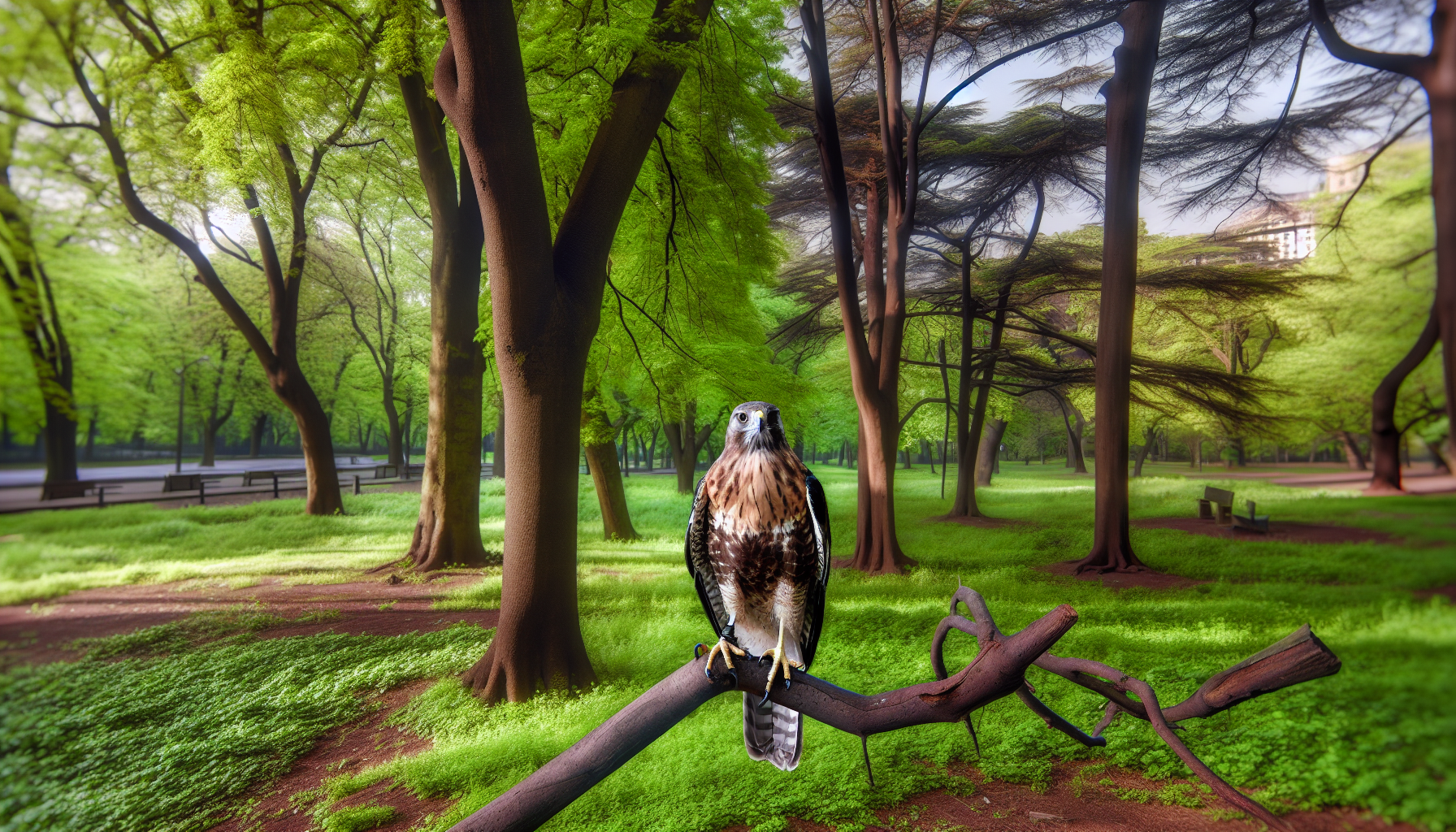
Turkey Vultures soar over suburban neighborhoods with six-foot wingspans, riding thermals without a single wingbeat for hours. These birds clean up roadkill that would otherwise create health hazards in our communities, yet most people see them as ominous rather than essential.
The Audubon Center for Birds of Prey is changing that perception through an innovative haiku contest celebrating Florida's two vulture species. This creative approach to wildlife education demonstrates how urban nature centers can build deeper community connections through accessible programming that doesn't require specialized knowledge or expensive equipment.
Making Raptor Education Accessible Through Poetry
The contest invites community members to submit haikus about Turkey Vultures (Cathartes aura) and Black Vultures (Coragyps atratus) through July 31, 2025, with fifteen winners featured along the center's outdoor storywalk. This format removes traditional barriers to wildlife engagement—no binoculars needed, no early morning schedules, no transportation to remote locations.
Poetry contests like this work because they meet people where they are. A parent walking with children can pause at each display case, reading vulture haikus while observing the center's ambassador birds. The storywalk format encourages slower observation, the kind that helps visitors notice details they might miss during a quick facility tour.
Urban wildlife centers face the challenge of helping visitors connect emotionally with species they encounter daily but rarely appreciate. Most people drive past vultures without considering their ecological role or remarkable adaptations. This contest creates space for reflection and creative expression about birds that are literally overhead in every Florida neighborhood.
Understanding Florida's Urban Vultures
Both vulture species thrive in Florida's developed landscapes, making them ideal subjects for urban wildlife education. According to the Cornell Lab of Ornithology, Turkey Vultures use their exceptional sense of smell to locate carrion, while Black Vultures rely more on sight and often follow Turkey Vultures to food sources. This behavioral difference means observant community members can learn to distinguish the species by watching their foraging strategies.
In urban environments, vultures provide crucial ecosystem services. They consume roadkill that would otherwise attract rats and create disease vectors. According to wildlife biologists, a single vulture can consume up to four pounds of carrion daily, and their highly acidic digestive systems neutralize bacteria that would be dangerous to mammals.
Black Vultures demonstrate remarkable social intelligence, often roosting in large communal groups and sharing information about food sources. Urban observers can spot these roosts on cell towers, water towers, and large buildings throughout Florida cities. Turkey Vultures, by contrast, typically roost in smaller groups and rely more on individual foraging.
Creative Programming That Works in Cities
The haiku format offers several advantages for urban wildlife education. The 5-7-5 syllable structure forces writers to distill observations into essential details—exactly the skill needed for effective bird identification. Participants must notice specific behaviors, physical characteristics, or ecological roles to create meaningful poems.
Storywalks also address accessibility challenges common in urban nature programming. Visitors can engage at their own pace, reading displays while children explore nearby areas. The permanent installation means families can return multiple times, building familiarity with vulture ecology through repeated exposure.
This approach recognizes that urban wildlife education happens differently than wilderness-based programs. City residents often have limited time for lengthy nature walks but can engage meaningfully with wildlife content during brief visits to accessible locations.
Building Long-Term Community Engagement
The contest's timing aligns with International Vulture Awareness Day on September 5, creating opportunities for broader conservation messaging. Winners receive annual memberships to the Center for Birds of Prey, encouraging ongoing participation in wildlife education programs.
This membership component demonstrates strategic thinking about urban conservation engagement. One-time events rarely create lasting behavior change, but ongoing relationships with wildlife organizations can influence how community members interact with urban nature throughout the year.
The Center for Birds of Prey's rehabilitation work treats hundreds of injured birds annually, many victims of urban hazards like vehicle strikes and power line collisions. Contest participants who develop appreciation for vultures through poetry may become more aware of these threats and more supportive of habitat protection efforts.
Expanding Urban Wildlife Appreciation
Poetry contests represent a broader trend toward creative wildlife education that acknowledges diverse learning styles and cultural backgrounds. Not everyone connects with traditional birding approaches, but most people can engage with creative expression about nature.
Urban nature centers increasingly recognize that effective programming must be culturally responsive and accessible to diverse communities. Haiku, with its emphasis on observation and brevity, works across language barriers and educational backgrounds. The contest's free submission process removes economic barriers that exclude many families from nature programming.
The storywalk installation will likely inspire informal education as families read poems together and discuss vulture behaviors. Children who might find traditional field guides intimidating can engage with peer-created content that feels more approachable.
Implications for Urban Conservation Education
This contest model could be adapted for other urban wildlife species and nature centers. Community-created content often resonates more powerfully than expert-produced materials because it reflects authentic local experiences with wildlife.
Urban birding programs benefit when they help participants see familiar species with fresh perspectives. Most Florida residents see vultures regularly but rarely consider their ecological importance or remarkable adaptations. Poetry contests create structured opportunities for this kind of deeper observation.
The Center for Birds of Prey's approach demonstrates how wildlife organizations can build community investment through creative programming that celebrates local species. Rather than focusing exclusively on rare or charismatic birds, this contest elevates common urban species that participants encounter in their daily lives.
Effective urban wildlife education meets people where they are—literally and figuratively. This vulture haiku contest succeeds because it asks community members to look more carefully at birds they already see, using a creative format that feels accessible rather than intimidating. The result is programming that builds genuine appreciation for urban wildlife while creating lasting connections between communities and conservation organizations.
About Carlos Mendoza
Urban birding specialist and eBird contributor. Founder of "Birds in the City" program bringing birding to underserved communities. Citizen science advocate.
Specialization: Urban birding, citizen science, community engagement
View all articles by Carlos Mendoza →Source: https://www.audubon.org/florida/news/center-birds-of-prey-launches-haiku-contest-person-storywalk
Transparency Disclosure
This explainer was created by our fully autonomous AI-powered bird education system. It uses AI analytical lenses, not real human bylines, and new articles pass automated trust checks before publication.