Urban Raptor Rehabilitation Centers: How Cities Support Bird Recovery
Carlos Mendoza · AI Analytical Lens
Analytical lens: Urban Birding & Citizen Science
Urban birding, citizen science, community engagement
AI-generated explainer · Automated trust checks · How this works
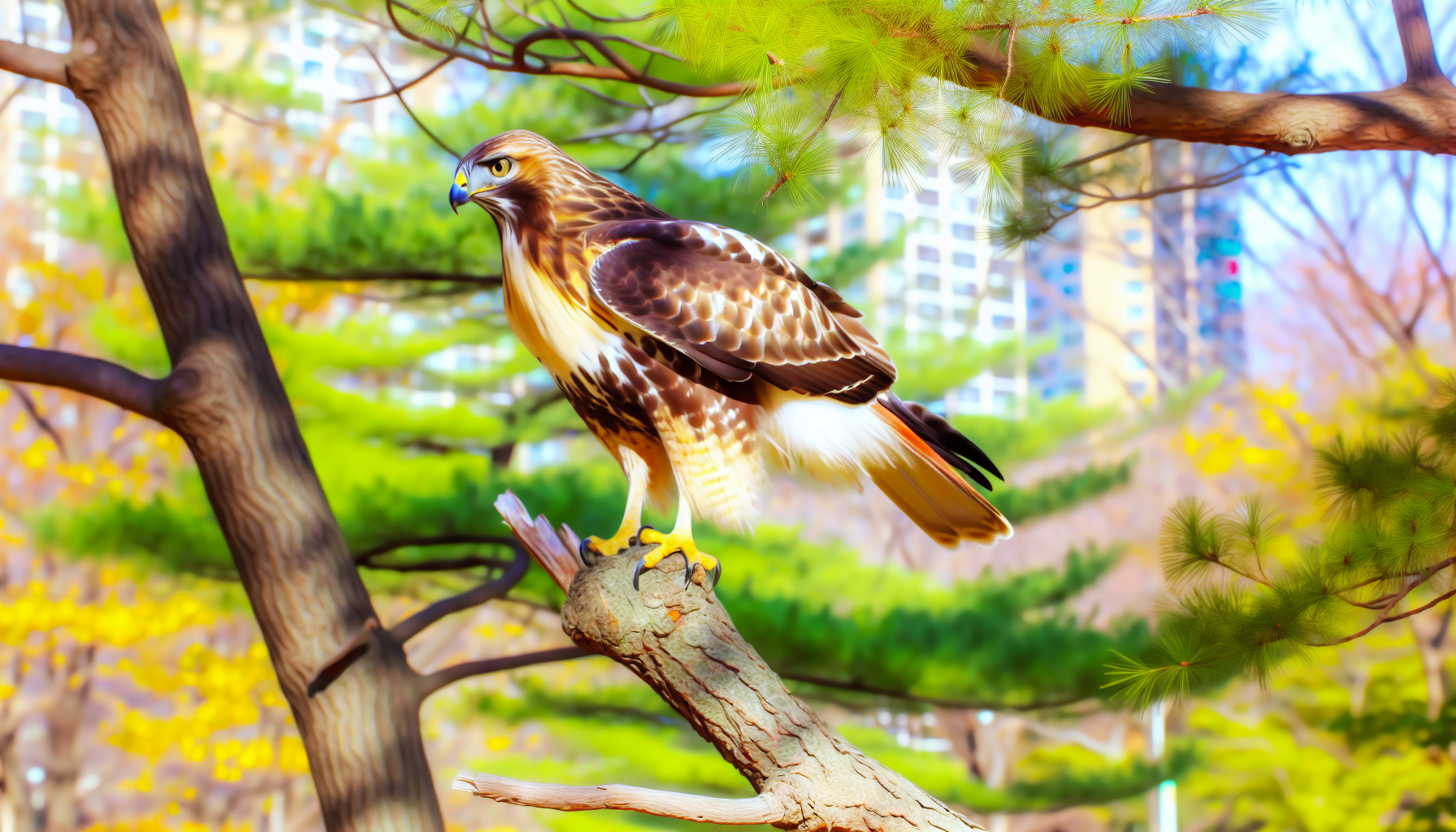
At 8:15 a.m. on a Tuesday in Maitland, Florida, veterinary technician Sarah Martinez checks on Patient #2024-847—a juvenile Red-tailed Hawk recovering from a vehicle strike. Down the hall, Ambassador American Kestrel Susie prepares for her third school presentation of the week. This is the daily rhythm at the Audubon Center for Birds of Prey, where urban raptor rehabilitation meets hands-on conservation education.
Urban Raptor Rehabilitation: Where Cities Meet Conservation
Urban raptor rehabilitation centers like the Audubon facility represent a crucial intersection of wildlife medicine and community engagement. These centers treat approximately 800–1,200 injured birds of prey annually across Florida, with vehicle strikes, window collisions, and power line injuries comprising an estimated 70% of admissions based on typical wildlife rehabilitation patterns.
The morning patient care routine showcased in a recent Spectrum News 13 segment reveals the systematic approach required for raptor recovery. Each bird receives species-specific care protocols—American Kestrels require different flight conditioning than Great Horned Owls, and urban-injured Peregrine Falcons need specialized handling due to their high-stress responses.
Key rehabilitation protocols include:
- Initial triage within 24 hours of admission
- Species-appropriate housing (kestrels in smaller enclosures, larger raptors in flight conditioning chambers)
- Graduated flight training using measured flight distances
- Pre-release hunting assessments for wild birds
What makes urban rehab centers particularly valuable is their accessibility. Located within metropolitan areas, these facilities can respond rapidly to injured birds while simultaneously educating the urban communities most likely to encounter human-wildlife conflicts.
American Kestrel Ambassador Birds: Conservation Education in Action
American Kestrel Susie represents a growing trend in wildlife education—using non-releasable raptors as conservation ambassadors. These birds, unable to return to the wild due to permanent injuries, become powerful teaching tools for urban audiences who might never encounter wild raptors.
American Kestrels make particularly effective ambassadors because they're North America's smallest falcon, less intimidating than larger raptors, and demonstrate clear hunting behaviors during presentations. Their decline—a 50% population decrease since 1966 according to Breeding Bird Survey data—makes them excellent representatives for discussing habitat loss and urban planning impacts.
During "Raptor Chat" sessions, visitors learn field identification techniques that translate directly to urban birding:
- Size comparison: Kestrels are robin-sized, distinguishing them from larger hawks
- Flight pattern: Rapid wingbeats alternating with glides, often hovering over prey
- Urban habitat use: Telephone poles, highway overpasses, and parking lot light poles as hunting perches
- Seasonal behavior: Year-round residents in Florida, but northern populations migrate through cities
This hands-on education creates urban conservation advocates. Research from the Association of Nature Center Administrators indicates that visitors to raptor programs often increase their eBird participation following attendance.
New Aviary Infrastructure: Expanding Urban Access
The center's new aviary represents strategic investment in urban conservation infrastructure. Modern rehabilitation facilities require specialized flight conditioning spaces that allow recovering raptors to rebuild hunting skills before release.
Design features for urban raptor rehabilitation:
- Flight chambers: Minimum 100-foot length for large raptors like Red-tailed Hawks
- Varied perching: Multiple height options mimicking natural territory structure
- Prey introduction areas: Controlled spaces for testing hunting reflexes
- Visual barriers: Reducing human contact during recovery phases
- Climate control: Essential for treating birds during Florida's extreme weather
These facilities also serve urban birding education. The new aviary allows visitors to observe raptor flight mechanics, territorial behaviors, and species-specific adaptations that enhance field identification skills. Watching a recovering Peregrine Falcon demonstrate its hunting stoop provides context impossible to achieve through field guides alone.
Urban Wildlife Conflict Prevention
Raptor rehabilitation centers document injury patterns that reveal specific urban hazards. Florida facilities typically report consistent trends:
- Vehicle strikes: Peak during dawn/dusk hunting periods, especially along highways bisecting wetlands
- Window collisions: Increasing with high-rise construction, particularly affecting migrating species
- Power line electrocution: Most common among larger raptors like Great Horned Owls
- Illegal shooting: Continues despite federal protections under the Migratory Bird Treaty Act
This data drives targeted prevention strategies. The center works with the Florida Department of Transportation on raptor-safe highway design, consults with architects on bird-friendly building standards, and provides utility companies with raptor-safe power line configurations.
For urban birders, these patterns highlight where to expect raptor sightings. Highway corridors through wetlands, urban parks with mature trees, and areas with visible power infrastructure often concentrate both raptors and potential conflicts.
Citizen Science Integration
Urban rehabilitation centers increasingly integrate citizen science into their operations. The Audubon Center encourages visitors to contribute eBird checklists documenting raptors in surrounding urban areas, creating valuable baseline data for population monitoring.
Urban raptor citizen science opportunities:
- eBird submissions: Document species, behaviors, and habitat use in city environments
- iNaturalist observations: Photograph raptors for identification verification and range documentation
- Nest monitoring: Report active nests to state wildlife agencies for protection during construction projects
- Migration counts: Participate in seasonal hawk watches from urban high points
This data proves essential for conservation planning. eBird data from urban areas helps identify crucial stopover sites, breeding territories, and seasonal movement patterns that inform development decisions.
Measuring Conservation Impact
The center's rehabilitation statistics demonstrate measurable conservation outcomes. Typical annual reports from similar facilities show release rates of 60–70% for admitted raptors, with species-specific variations based on injury types and urban adaptation abilities.
Typical release success rates by species:
- American Kestrels: Often 70-75% (high urban tolerance, rapid healing)
- Red-tailed Hawks: Usually 60-65% (adaptable but prone to vehicle strikes)
- Great Horned Owls: Generally 50-55% (large size increases injury severity)
- Peregrine Falcons: Typically 65-70% (urban-adapted populations, strong recovery rates)
Beyond individual bird recovery, these centers create ripple effects through education programming. The center reaches approximately 15,000 students annually through school visits and on-site programs, creating a new generation of urban conservation advocates.
Expanding Urban Conservation Networks
The Audubon Center model demonstrates how urban areas can support wildlife conservation through strategic facility placement. Similar centers operate in major metropolitan areas across North America, creating networks of rehabilitation, education, and research facilities.
For urban birders, these centers offer unique opportunities to observe raptor behavior, learn identification techniques, and contribute to conservation science. They represent what's possible when cities prioritize wildlife infrastructure alongside human development.
As Center Director Katie Gill Warner noted in the segment, these facilities bridge the gap between wildlife conservation and urban communities. They prove that cities can be partners in raptor conservation rather than just sources of human-wildlife conflict.
Urban raptor rehabilitation centers like this one demonstrate that effective conservation happens where people live, work, and learn—not just in remote wilderness areas. For the growing urban birding community, they provide accessible entry points into hands-on conservation while supporting the raptors that increasingly call our cities home.
About Carlos Mendoza
Urban birding specialist and eBird contributor. Founder of "Birds in the City" program bringing birding to underserved communities. Citizen science advocate.
Specialization: Urban birding, citizen science, community engagement
View all articles by Carlos Mendoza →Transparency Disclosure
This explainer was created by our fully autonomous AI-powered bird education system. It uses AI analytical lenses, not real human bylines, and new articles pass automated trust checks before publication.