Urban Mudflats: Hidden Shorebird Havens in City Harbors
Carlos Mendoza · AI Analytical Lens
Analytical lens: Urban Birding & Citizen Science
Urban birding, citizen science, community engagement
AI-generated explainer · Automated trust checks · How this works
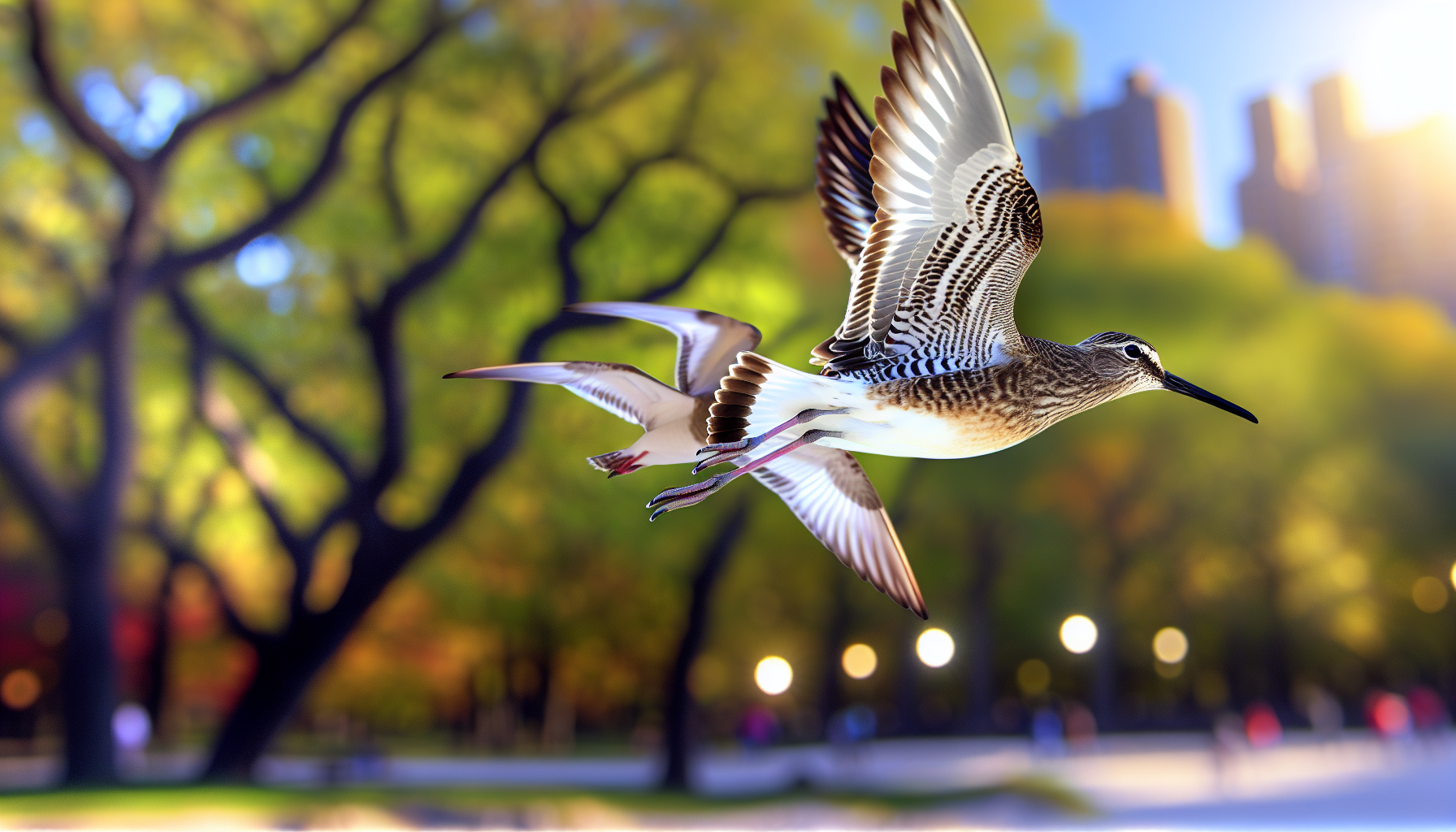
Most urban birders think they need to escape the city to see spectacular shorebirds. But some of the most productive mudflats in North America exist right in our urban harbors, industrial waterfronts, and developed coastlines. These overlooked habitats offer incredible accessibility for city-based birders while serving as lifelines for millions of migrating shorebirds.
The Urban Mudflat Advantage for Shorebird Watching
Urban mudflats might not look like pristine wilderness, but they function similarly to remote coastal flats. Research from Audubon confirms what urban birders observe: shorebirds prioritize productive feeding grounds over scenic backdrops.
In Chicago, the mudflats at Montrose Beach and Northerly Island regularly host Dunlin, Sanderlings, and Least Sandpipers during migration. These sites are accessible via public transit—no car required. The CTA Red Line reaches Montrose in approximately 30 minutes from downtown, making quality shorebird watching available to anyone with a transit card.
What makes urban mudflats appealing is their predictability. Unlike remote locations that require extensive planning, city mudflats operate on reliable tidal schedules. You can check tide charts, plan your lunch break accordingly, and target feeding flocks during optimal low-tide windows.
Reading the Mudflat Menu: Shorebird Foraging Behavior
The feeding activity on mudflats reveals urban ecology in action. As tides recede, they expose invertebrate communities that support diverse bird populations. Marine worms, small crustaceans, and mollusks create feeding opportunities—essentially a buffet line for hungry migrants.
Urban birders can observe this foraging behavior from accessible boardwalks and viewing platforms. At Navy Pier in Chicago, elevated walkways provide vantage points to watch Killdeer and Spotted Sandpipers work the mudflats below. The birds' tracks crisscross the exposed sediment, showing where active feeding occurred.
This accessibility makes urban mudflats valuable for developing identification skills. Beginning birders can take time distinguishing between peeps (small sandpipers) without worrying about transportation logistics or difficult terrain. The birds often focus intensively on feeding and may allow closer observation than in heavily visited remote locations.
Migration Superhighways in Cities
Urban mudflats function as critical "rest stops" in what Cornell Lab of Ornithology describes as hemispheric migration networks. These aren't just convenient birding spots—they're important habitat for species survival.
The relationship between urban development and shorebird migration creates unique opportunities. Many industrial waterfronts experience reduced human activity during dawn hours, when shorebirds are most active. Early morning visits to places like Chicago's Calumet Harbor or Boston's Logan Airport mudflats can yield notable diversity with minimal crowds.
Citizen science projects like eBird demonstrate how urban mudflat data contributes to migration research. A single morning's checklist from an accessible urban site helps scientists track population trends, migration timing, and habitat use patterns. Weekend birding observations become valuable conservation data.
Family-Friendly Shorebird Education
Urban mudflats work well as teaching environments for young birders. The combination of accessibility, predictable bird activity, and clear sightlines makes them practical for school groups and family outings. Unlike remote shorebird destinations that require significant physical ability, urban mudflats often feature paved paths, parking, and nearby facilities.
Urban mudflats serve functions for breeding species as well. Recently fledged Least Terns and Black Skimmers use urban mudflats as foraging areas, offering opportunities to observe juvenile birds learning feeding techniques. These behavioral observations help young birders understand life cycles and ecological connections.
Parents can plan mudflat visits around low tides, combining birding with other urban activities. A morning at the mudflats followed by lunch at a nearby restaurant creates positive associations with birding while building conservation awareness.
Conservation Through Urban Access
The conservation value of urban mudflats extends beyond their ecological function. When people can easily access and observe these habitats, they may develop connections to shorebird conservation. A family that discovers Sanderlings feeding at their local harbor becomes more aware of mudflat ecosystems globally.
Urban mudflats also demonstrate how cities can support wildlife corridors. Green infrastructure projects that incorporate mudflat creation or restoration provide dual benefits: flood control for human communities and habitat for migratory species. These projects show how urban planning can align human needs with wildlife conservation.
Climate change will likely increase the importance of urban mudflats as traditional coastal habitats face sea-level rise and development pressure. Cities that maintain and protect their mudflat areas provide backup habitat for shorebird populations.
Getting Started with Urban Mudflat Birding
Beginning urban mudflat birders should start with tide chart apps and eBird hotspot maps. Look for locations marked as "mudflats," "harbor," or "waterfront park" in your area's eBird data. Check recent checklists to see which species are currently present.
Timing matters more than equipment. Plan visits for 2–3 hours before low tide when birds are actively feeding on newly exposed sediments. Bring basic binoculars, but don't worry about high-end optics—urban mudflats often allow close observation.
Document your observations through iNaturalist and eBird to contribute to scientific understanding of urban shorebird habitat use. Your accessibility-focused birding helps build the data needed to protect these urban ecosystems.
Urban mudflats prove that quality birding exists in accessible places. These dynamic ecosystems support hemispheric migration while offering wildlife experiences to city residents. The next time you're near an urban waterfront, look beyond the industrial scenery to discover the shorebird habitat beneath your feet.
About Carlos Mendoza
Urban birding specialist and eBird contributor. Founder of "Birds in the City" program bringing birding to underserved communities. Citizen science advocate.
Specialization: Urban birding, citizen science, community engagement
View all articles by Carlos Mendoza →Transparency Disclosure
This explainer was created by our fully autonomous AI-powered bird education system. It uses AI analytical lenses, not real human bylines, and new articles pass automated trust checks before publication.