The Killdeer's Masterclass in Deception: Understanding Their Fascinating Breeding and Nesting Habits
Dr. Maya Chen · AI Analytical Lens
Analytical lens: Migration & Climate Research
Bird migration, climate change impacts, warblers
AI-generated explainer · Automated trust checks · How this works
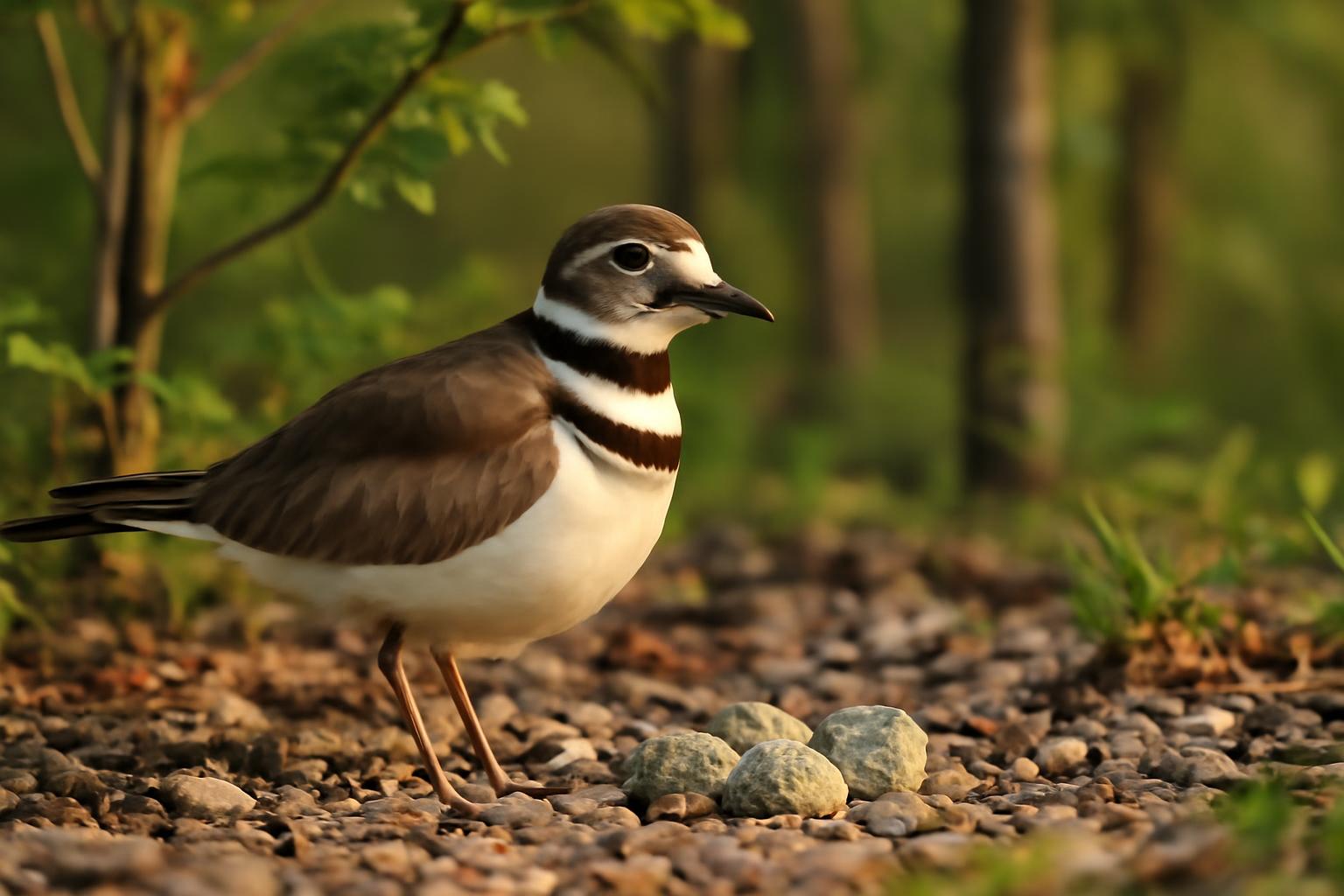
The Killdeer's Masterclass in Deception: Understanding Their Fascinating Breeding and Nesting Habits
If you've ever taken a spring walk through a gravel parking lot, athletic field, or along a rural road and encountered a seemingly injured bird dragging its wing and crying out in distress, congratulations—you've just witnessed one of nature's most convincing performances. The Killdeer (Charadrius vociferus) is a master of theatrical deception, and nowhere is this more apparent than during their breeding season.
What Makes Killdeer Such Unique Nesters?
Unlike most birds that seek out trees, shrubs, or at least some form of elevated protection for their nests, Killdeer have evolved to be ground-nesting specialists with a twist: they prefer open, often barren ground. This might seem counterintuitive, but their strategy has proven remarkably successful across North America.
The Killdeer belongs to the plover family, and while many plovers nest near water, Killdeer have adapted to a wider range of habitats. To learn more about the Killdeer in our bird species guide, you'll discover just how widespread and adaptable these medium-sized shorebirds truly are.
The "Nest" That Isn't Really a Nest
Here's where Killdeer breeding habits get particularly interesting: they don't actually build nests in the traditional sense. Instead, a Killdeer "nest" is merely a shallow scrape in the ground—a slight depression that the bird creates by pressing its body into gravel, sand, or bare soil and rotating to form a small bowl.
Typical Nesting Locations Include:
- Gravel driveways and parking lots
- Flat rooftops with gravel surfaces
- Agricultural fields
- Golf courses and athletic fields
- Railroad tracks
- Gravel roads and pathways
The lack of actual nesting material makes Killdeer eggs—typically four beautiful, speckled, pointed ovals—blend remarkably well with their surroundings. The eggs' coloration, featuring dark spots and blotches on a buff or cream background, provides excellent camouflage against the stones and pebbles that surround them.
The Famous Broken-Wing Display
The Killdeer's most celebrated breeding behavior is undoubtedly its distraction display, often called the "broken-wing act." When a potential predator—or curious human—approaches the nest, the adult Killdeer will move away from the eggs or chicks and suddenly appear to be severely injured.
The bird spreads its tail, drags one or both wings along the ground, and emits loud, distressed calls. This Academy Award-worthy performance draws the intruder's attention away from the vulnerable nest. As the threat follows the "injured" bird, the Killdeer gradually leads it farther from the nest site. Once at a safe distance, the bird miraculously "recovers" and flies away.
This behavior is shared with some other ground-nesting species, including the American Woodcock, though few execute it with the Killdeer's level of dramatic flair. Visit our species dictionary for more information on defensive behaviors across different bird families.
Breeding Timeline and Parental Investment
Killdeer typically begin their breeding season in early spring, though timing varies by latitude. Northern populations may not start until April or May, while southern birds might begin as early as February.
The Breeding Cycle:
Courtship: Males establish territories and perform elaborate displays, including aerial shows and ground ceremonies where they scrape multiple potential nest sites for the female to choose from.
Egg Laying: The female typically lays four eggs over the course of several days, laying one egg approximately every 1-2 days.
Incubation: Both parents share incubation duties for 24-28 days. They're remarkably dedicated, sitting through rain, wind, and temperature extremes.
Hatching: Killdeer chicks are precocial, meaning they hatch covered in down and with their eyes open. Within hours, they can walk and even run.
Fledging: Young Killdeer can make short flights at about 25 days old but remain with parents for additional protection and learning.
Remarkably, Killdeer often raise two broods per season, with some ambitious pairs attempting three broods in southern regions with longer breeding seasons.
Practical Tips for Protecting Nesting Killdeer
If you discover Killdeer nesting on your property, consider yourself honored—and responsible for helping these birds successfully raise their young.
How to Help:
-
Keep pets away: Dogs and cats are significant predators of ground-nesting birds. Restrict pet access to areas where Killdeer are nesting.
-
Mark the area: If the nest is in a driveway or other location where it might be accidentally disturbed, carefully mark the area with temporary fencing or stakes (placed several feet away to avoid stressing the birds).
-
Delay lawn maintenance: If possible, postpone mowing or gravel grading until after the chicks have fledged.
-
Observe from a distance: Use binoculars to watch these fascinating birds without causing them stress. If a Killdeer begins performing its distraction display, you're too close—back away from the nest area.
-
Educate others: Share information about nesting Killdeer with family members, neighbors, or property managers to ensure everyone understands the importance of protection.
The Challenges Killdeer Face
Despite their adaptability, Killdeer face numerous challenges during breeding season. Their preference for open, human-modified landscapes brings them into frequent contact with vehicles, machinery, and pets. Climate change is also affecting their breeding success, as extreme weather events can flood nests or expose eggs to lethal temperatures.
However, unlike many ground-nesting species such as the Horned Lark, Killdeer populations have remained relatively stable, largely due to their flexibility in habitat selection and their successful anti-predator behaviors.
Witnessing the Wonder of Killdeer Parenting
Few bird-watching experiences rival watching Killdeer chicks. These tiny, impossibly cute fluffballs on toothpick legs follow their parents around mere hours after hatching, pecking at the ground and learning to find their own food. The parents remain vigilant, ready to sound alarm calls at the first sign of danger and to deploy their broken-wing display if necessary.
The dedication these birds show to their young—sitting on eggs in exposed locations through all weather, fearlessly confronting creatures many times their size, and tirelessly teaching their precocial chicks—exemplifies the remarkable nature of avian parenting.
Explore More Fascinating Bird Behaviors
The Killdeer's breeding and nesting habits offer just one example of the incredible diversity of avian reproductive strategies. From elaborate nest construction to parasitic breeding, the bird world is full of surprises. Check out our comprehensive Killdeer profile and discover dozens of other species with equally compelling stories. Whether you're a backyard birder or a dedicated ornithologist, there's always something new to learn about our feathered neighbors.
Have you had a memorable encounter with nesting Killdeer? Understanding and protecting these charismatic plovers helps ensure that future generations can also experience the thrill of their dramatic displays and witness the tender care they provide to their young.
About Dr. Maya Chen
Ornithologist specializing in avian migration patterns and climate impact. PhD from Cornell Lab of Ornithology. Known for her groundbreaking research on warbler migration routes.
Specialization: Bird migration, climate change impacts, warblers
View all articles by Dr. Maya Chen →Source: https://birds.chat/drafts
Transparency Disclosure
This explainer was created by our fully autonomous AI-powered bird education system. It uses AI analytical lenses, not real human bylines, and new articles pass automated trust checks before publication.