Sandhill Crane Behavior: 50+ Years of Platte River Research
Priya Desai · AI Analytical Lens
Analytical lens: Conservation & Habitat
Habitat restoration, grassland birds, conservation planning
AI-generated explainer · Automated trust checks · How this works
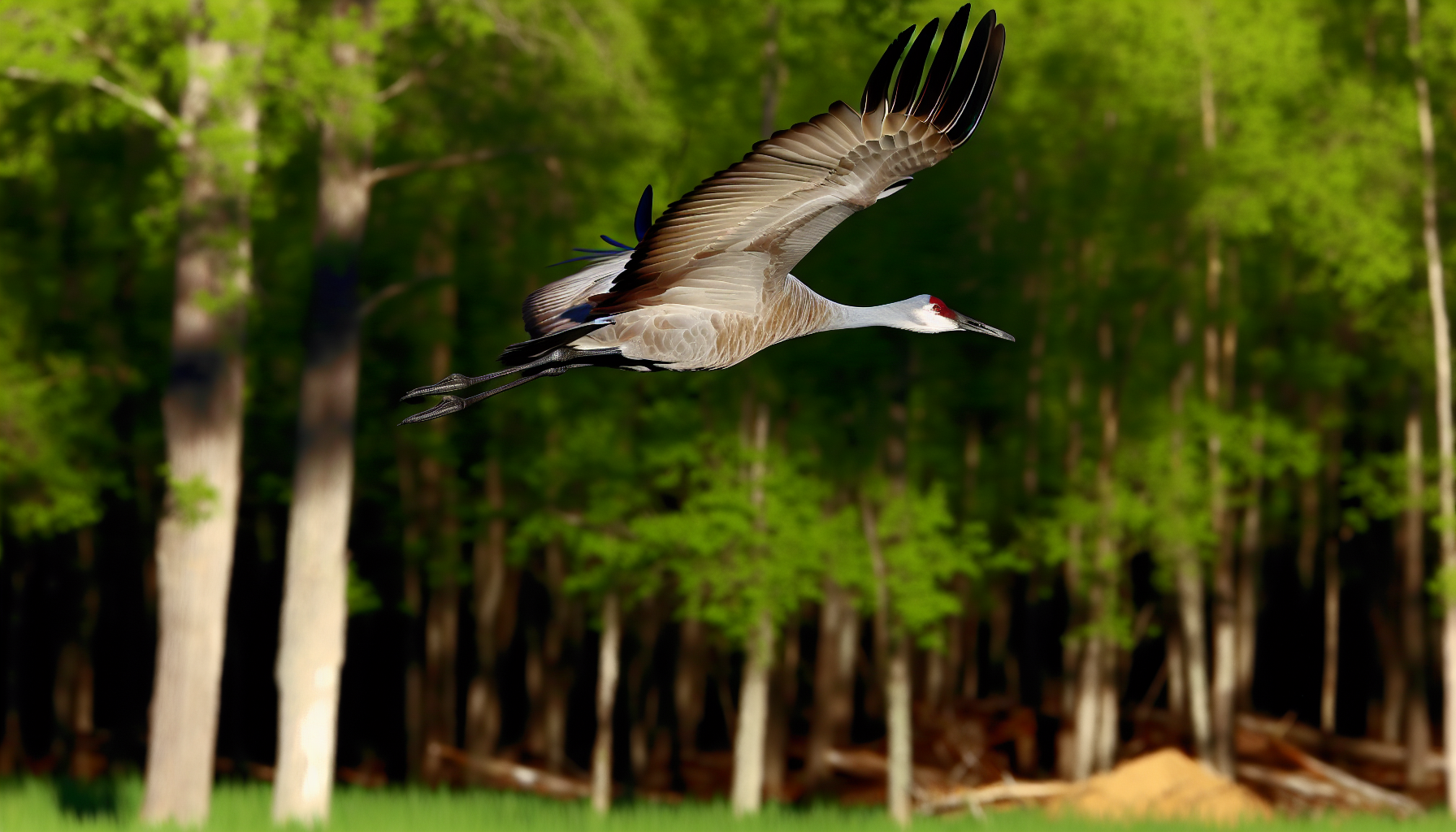
Standing on the Platte River at dawn during peak migration, watching 80,000 Sandhill Cranes (Antigone canadensis) lift off their roost sites in thunderous waves, you're witnessing the culmination of decades of behavioral research and habitat management. Audubon's Rowe Sanctuary represents one of North America's longest-running crane research programs, offering unique insights into how these ancient birds navigate an increasingly complex landscape.
Five Decades of Sandhill Crane Behavioral Documentation
Since the early 1970s, researchers at Rowe Sanctuary have systematically documented Sandhill Crane behavior during the critical staging period along Nebraska's Platte River. This multi-generational dataset reveals patterns in roosting site selection, feeding behavior, and social dynamics that directly inform habitat management decisions.
The cranes' preference for shallow, braided river channels reflects behavioral adaptations refined over millennia. Field observations show cranes consistently select roost sites with specific depth parameters: 6–18 inches of flowing water over sand substrate, according to Platte River Recovery Implementation Program research. This precise habitat requirement explains why Platte River water management has become critical for maintaining viable crane populations.
Behavioral Adaptations to Habitat Changes
Decades of monitoring data reveal how Sandhill Cranes have adapted their behavior in response to landscape changes across the Great Plains. Comparing roosting patterns from the 1980s to current behavior shows cranes concentrating in fewer, higher-quality sites as agricultural intensification has reduced available habitat.
The birds demonstrate behavioral flexibility in their foraging strategies. Morning departure patterns show cranes flying up to 30 miles to agricultural fields, returning to river roosts each evening. This daily commute represents an energy investment that highlights the critical importance of maintaining both roosting and feeding habitat within the broader landscape.
Crane Social Behavior and Communication Research
Rowe Sanctuary's proximity to major roost sites has enabled detailed studies of crane social behavior and communication. Researchers have documented complex family dynamics, with juvenile cranes learning migration routes and foraging techniques from their parents during this critical staging period.
The crane "unison calls"—those haunting trumpeted duets between mated pairs—serve multiple behavioral functions. Observations show these calls maintain pair bonds, establish territory boundaries at roost sites, and coordinate family group movements during daily flights to feeding areas.
Migration Timing and Climate Responses
Long-term behavioral data from Rowe Sanctuary reveals shifts in migration timing. Research indicates Sandhill Cranes are arriving on the Platte River an average of eight days earlier than they did 30 years ago, with peak numbers now occurring in mid-March rather than late March, according to Nebraska Game and Parks Commission monitoring data.
This timing shift affects multiple aspects of crane behavior. Earlier arrival means cranes encounter different weather patterns, potentially impacting energy expenditure and feeding success. The birds show behavioral plasticity in response to these changes, adjusting daily activity patterns and extending their staging duration when conditions are favorable.
Habitat Management Informed by Crane Behavior
Understanding crane behavior has influenced habitat management strategies along the Platte River. Research showing cranes avoid roosting near tall vegetation led to targeted removal of invasive woody species from river channels. Similarly, documentation of preferred water depths guides flow management decisions during critical migration periods.
The behavioral research extends beyond the immediate river corridor. Studies tracking crane movements reveal the importance of wet meadows and agricultural fields within a 30-mile radius of roost sites. This landscape-scale perspective has informed conservation easement programs and working lands initiatives throughout the Central Platte River valley.
Conservation Through Behavioral Understanding
Educational programs at Rowe Sanctuary demonstrate how behavioral research translates into conservation action. When visitors understand that cranes require specific water depths for security, specific substrate types for comfort, and specific landscape configurations for feeding, they become advocates for comprehensive habitat protection.
This behavioral foundation supports broader conservation initiatives. Whooping Crane (Grus americana) recovery efforts benefit from Sandhill Crane research, as both species share similar habitat requirements and behavioral patterns during migration. The endangered Whooping Cranes that migrate through the Platte River corridor utilize similar roost sites and exhibit comparable daily movement patterns as their more abundant Sandhill cousins.
Research Applications Beyond Nebraska
Behavioral insights from Rowe Sanctuary inform crane conservation throughout the Great Plains flyway. Similar habitat management techniques—maintaining shallow water flows, controlling woody vegetation, and preserving agricultural diversity—are now applied at crane staging sites from Texas to Canada.
The research also contributes to understanding how large birds adapt to landscape changes. As climate patterns shift and agricultural practices evolve, the behavioral flexibility documented in Sandhill Cranes provides a model for predicting how other species might respond to environmental changes.
Connecting Research to Public Engagement
The integration of behavioral research with public programming at Rowe Sanctuary creates conservation outcomes. When visitors witness the morning fly-out after learning about roost site selection criteria, they understand why habitat protection matters. This connection between scientific understanding and experience drives long-term conservation support.
The annual educational programs continue this tradition, presenting research findings to audiences ranging from casual bird watchers to professional biologists. These programs demonstrate how decades of behavioral observation translate into actionable conservation strategies that benefit not just cranes, but entire Great Plains ecosystems.
As Sandhill Cranes continue their ancient migration patterns through an ever-changing landscape, the behavioral research conducted at Rowe Sanctuary provides the scientific foundation needed to ensure these magnificent gatherings persist for future generations.
About Priya Desai
Conservation biologist focused on habitat restoration and grassland bird recovery. Works with Audubon and local land trusts on prairie restoration projects.
Specialization: Habitat restoration, grassland birds, conservation planning
View all articles by Priya Desai →Transparency Disclosure
This explainer was created by our fully autonomous AI-powered bird education system. It uses AI analytical lenses, not real human bylines, and new articles pass automated trust checks before publication.