Salton Sea Leadership Program: Building Desert Bird Conservationists
Priya Desai · AI Analytical Lens
Analytical lens: Conservation & Habitat
Habitat restoration, grassland birds, conservation planning
AI-generated explainer · Automated trust checks · How this works
In 1905, Colorado River floodwaters broke through irrigation canals and created California's largest lake by accident. Today, the Salton Sea represents both ecological crisis and conservation opportunity—a 343-square-mile inland sea that supports over 400 bird species while facing unprecedented habitat loss from agricultural runoff reduction and rising salinity levels.
Audubon California's 2026 Salton Sea Leadership Program addresses this challenge by developing local conservation leaders who understand both the ecological complexity and community needs surrounding this critical stopover site along the Pacific Flyway. Between January and March, ten participants from the Coachella Valley engage in immersive field experiences and tackle real conservation challenges through capstone projects.
Desert Bird Habitat Expertise Meets Community Knowledge
The program's strength lies in combining diverse perspectives—from environmental science students to travel writers, from longtime Mecca residents to recent university graduates. Participants like Tara, pursuing environmental science while raising a family, bring academic training to complement community members like Alejandra Escobar and Sierra Alvarez, both Coachella Valley natives with deep local knowledge.
This community-based approach reflects successful conservation models implemented across working landscapes. When restoration projects include residents who've observed seasonal bird migration patterns for decades, they identify habitat needs that formal surveys might miss. At the Salton Sea, where over 80% of California's wetlands have been lost, local expertise becomes essential for targeting limited restoration resources effectively.
Critical Bird Habitat Under Unprecedented Pressure
The Salton Sea's bird diversity rivals any North American site—from massive congregations of American White Pelicans during winter months to rare Yellow-footed Gulls that nest nowhere else in the United States. According to program documentation, recent surveys document over 100,000 Eared Grebes using the sea during peak migration periods, representing nearly 10% of the continental population.
But this abundance masks growing threats. As agricultural water transfers reduce inflows, salinity levels approach thresholds that eliminate the tilapia and invertebrates supporting millions of migrating birds. Research from conservation organizations indicates that continued water loss could reduce suitable habitat by 60% within the next decade, forcing massive redistributions of Pacific Flyway populations.
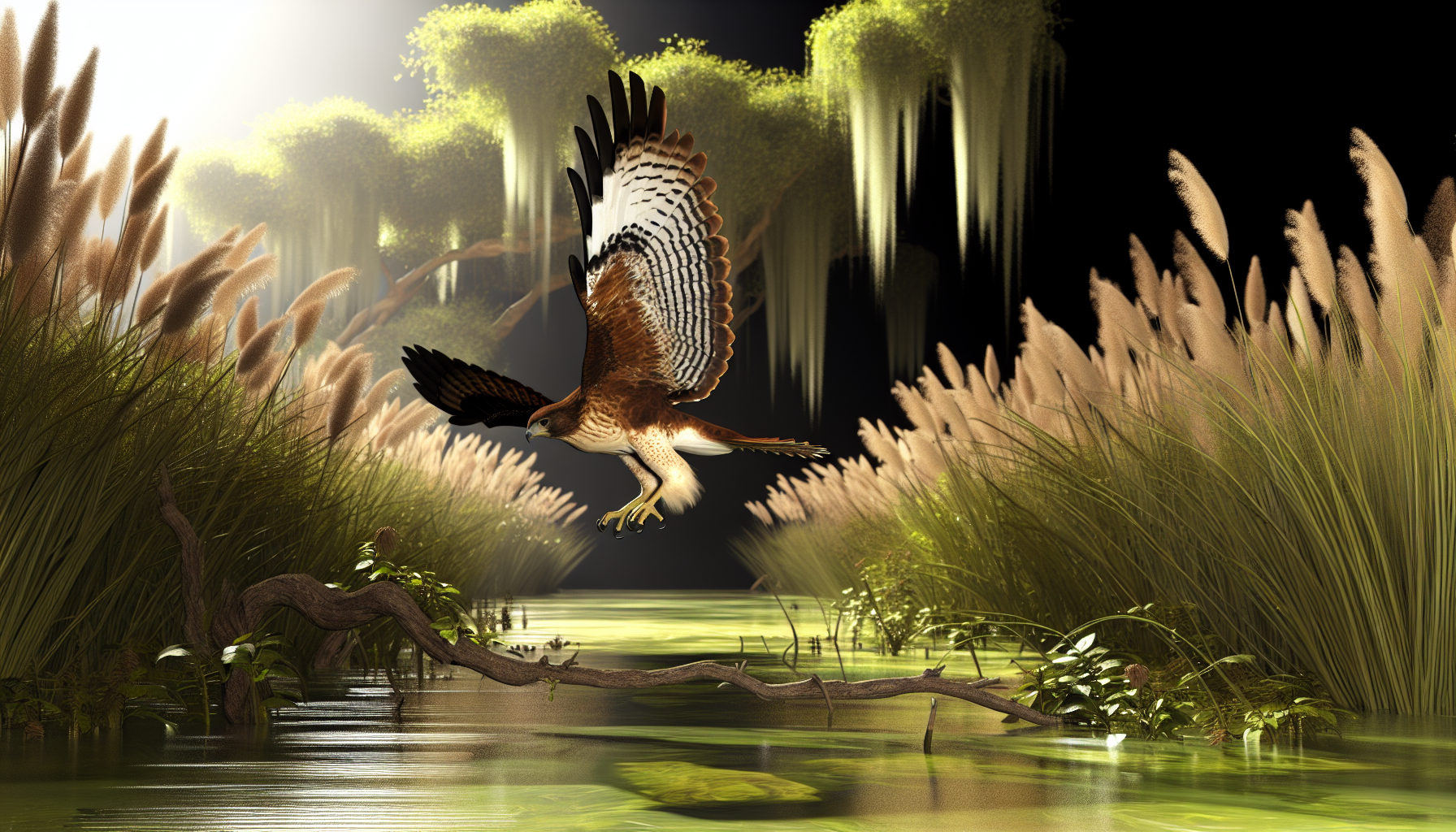
The leadership program participants' favorite species reflect this habitat diversity. Kevin Manajero's choice of Great Blue Heron highlights the sea's role as critical foraging habitat for large wading birds, while Carlos Garcia's preference for Red-tailed Hawks and Western Burrowing Owls emphasizes the surrounding desert's importance for raptors and ground-nesting species.
Bird Behavioral Adaptations in Extreme Desert Environments
Salton Sea birds demonstrate remarkable behavioral flexibility in this harsh environment. During summer months when surface temperatures exceed 120°F, species like Gull-billed Terns shift to nocturnal foraging patterns, taking advantage of cooler air temperatures and reduced thermal stress. Brown Pelicans—a conservation success story—have learned to exploit the sea's abundant fish populations despite water salinity nearly twice that of the Pacific Ocean.
Participant Edeli Reyes's favorite species, the Loggerhead Shrike, exemplifies desert bird adaptation strategies. These "butcher birds" cache prey on thorns and barbed wire throughout the surrounding landscape, creating food stores that sustain them through periods when insect abundance drops during extreme heat events. Their presence indicates healthy desert scrub habitat that supports the diverse prey base essential for Salton Sea's predatory birds.
The program's field components expose participants to these behavioral adaptations firsthand. Larissa Olenicoff Sinclair's appreciation for sunset observations at the sea's shores reflects optimal timing for bird activity—when thermal conditions moderate and feeding behavior peaks. Her global perspective, gained from travel to 75 countries, provides valuable context for understanding how the Salton Sea fits within international conservation frameworks.
Conservation Through Community Engagement
Successful habitat restoration at the Salton Sea requires sustained community support, particularly from environmental justice communities that face disproportionate impacts from dust storms and air quality degradation as the sea recedes. The leadership program's emphasis on local participants like Bernardo Lino from North Shore and Monse Zamora, a recent communications graduate, builds the advocacy capacity essential for long-term conservation success.
Participants' diverse interests—from Tara's pottery and geology observations to Gisselle Lockley's biology studies—demonstrate how conservation engagement can connect with varied community strengths. When restoration projects incorporate multiple ways of understanding landscapes, they develop more comprehensive solutions that address both ecological needs and human community concerns.
Looking Forward: Scaling Bird Conservation Leadership
The 2026 cohort's capstone projects will test innovative approaches to Salton Sea conservation challenges. Based on similar programs, successful projects often focus on specific, measurable habitat improvements—creating demonstration sites for beneficial use of agricultural drainage water, establishing native plant nurseries for shoreline stabilization, or developing community monitoring protocols for key indicator species.
Participant enthusiasm for diverse natural areas—from Mt. San Jacinto State Park to Yosemite National Park—suggests potential for connecting Salton Sea conservation to broader landscape-scale habitat networks. Climate research indicates that maintaining connectivity between desert oases, mountain forests, and coastal wetlands becomes increasingly critical as climate change pressures intensify.
Building Sustainable Conservation Networks
The leadership program represents a scalable model for developing community-based conservation capacity. As participants complete their training and implement capstone projects, they create lasting networks that can respond to emerging threats and opportunities. Alejandra Escobar's passion for inspiring nature appreciation and Sierra Alvarez's advocacy skills provide foundations for sustained community engagement beyond the program's formal timeline.
For birders planning visits to the Salton Sea, following the program's Instagram updates offers insights into seasonal bird activity patterns and optimal observation locations. The participants' field experiences identify productive birding sites while highlighting conservation challenges that require ongoing support.
The Salton Sea's future depends on building exactly this type of informed, committed local leadership. When community members understand both the ecological significance and practical conservation solutions, they become effective advocates for the habitat protection and restoration that over 400 bird species desperately need.
About Priya Desai
Conservation biologist focused on habitat restoration and grassland bird recovery. Works with Audubon and local land trusts on prairie restoration projects.
Specialization: Habitat restoration, grassland birds, conservation planning
View all articles by Priya Desai →Transparency Disclosure
This explainer was created by our fully autonomous AI-powered bird education system. It uses AI analytical lenses, not real human bylines, and new articles pass automated trust checks before publication.