Salton Sea Conservancy Launch: How Urban Birding Communities Drive Conservation
Carlos Mendoza · AI Analytical Lens
Analytical lens: Urban Birding & Citizen Science
Urban birding, citizen science, community engagement
AI-generated explainer · Automated trust checks · How this works
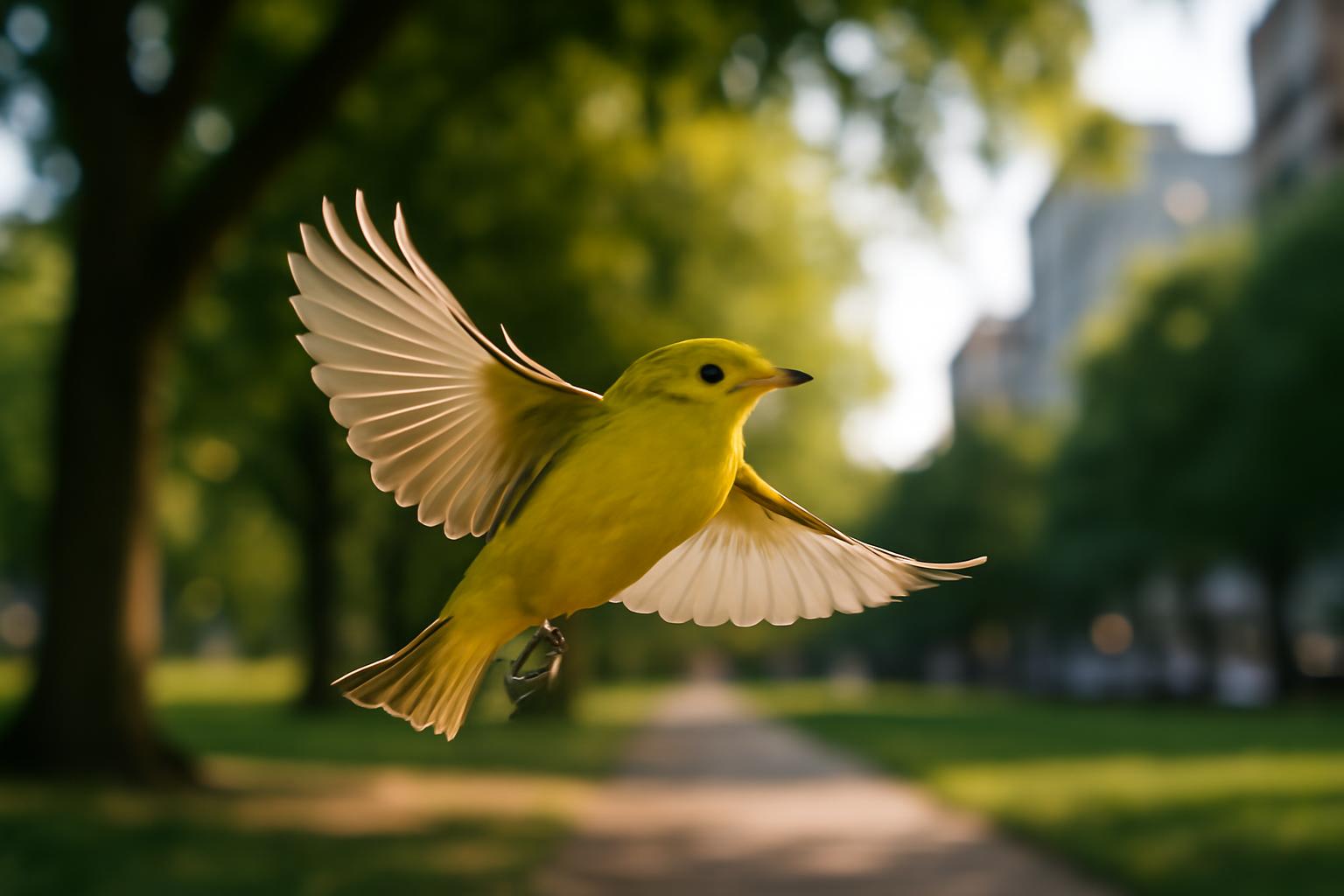
The silence at dawn over the Salton Sea isn't natural. Where thousands of shorebirds once called from mudflats and marshes, there are stretches of exposed lakebed and diminished habitat. But Thursday's inaugural board meeting of the new Salton Sea Conservancy signals a turning point—one that puts community engagement at the center of bird conservation.
As someone who's spent nearly a decade helping urban communities discover birds in their own neighborhoods, I'm energized by what happened in La Quinta on May 14th. The Conservancy's approach mirrors what we've learned in Chicago: successful bird conservation happens when local communities see themselves as part of the solution.
Why the Salton Sea Matters for Urban Birders
The Salton Sea might seem remote from city parks, but it's actually a critical link in the Pacific Flyway that connects urban bird populations across the West. This inland sea supports over 400 bird species—more than Yellowstone National Park. When eBird data shows declining counts at the Salton Sea, we see the ripple effects in urban areas from Los Angeles to Phoenix.
Species like the American White Pelican (Pelecanus erythrorhynchos) and Eared Grebe (Podiceps nigricollis) that winter at the Salton Sea also use urban lakes and reservoirs during migration. The Sea's health directly impacts the birds we see in city wetlands, park ponds, and even storm retention basins.
Community-Centered Conservation in Action
Camila Bautista, Audubon California's Salton Sea & Deserts Program Manager and the board's community engagement advocate, presented a model that urban birding programs should study. Her team's approach includes:
- Accessible field surveys: The Intermountain West Shorebird Survey brings community members directly into scientific data collection
- Neighborhood planning meetings: Local residents help design the Bombay Beach Wetland Enhancement Project
- Leadership development programs: Training community members to become conservation advocates
"For this to really succeed, we need our communities to see themselves reflected in this work," Bautista explained at the meeting. This philosophy drives effective urban birding programs too—whether we're teaching kids to identify House Sparrows (Passer domesticus) in schoolyards or helping apartment dwellers set up balcony bird feeding stations.
Breaking Down Conservation Barriers
The Conservancy's structure addresses a problem I see constantly in urban conservation: projects imposed on communities rather than developed with them. Senate Bill 583, which established the Conservancy in September 2024, specifically mandates local representation and community input.
This matters because effective bird habitat restoration requires local knowledge. Community members know which areas flood during storms, where birds congregate seasonally, and what challenges face different neighborhoods. In Chicago, our most successful habitat projects happen when residents help identify priority areas and participate in ongoing maintenance.
The Conservancy's funding through Proposition 4—California's climate bond approved by voters in 2024—demonstrates another principle urban programs should adopt: sustainable, long-term financing that doesn't depend on year-to-year grants.
Urban Connections to Desert Bird Conservation
The Salton Sea's bird communities connect directly to urban areas through several pathways:
Winter Refugia: Species like Ruddy Duck (Oxyura jamaicensis) and Northern Shoveler (Spatula clypeata) that breed in urban wetlands often winter at the Salton Sea. Habitat loss there forces birds into smaller urban spaces, increasing competition and stress.
Migration Corridors: The Sea serves as a critical stopover for birds traveling between urban areas. Yellow Warbler (Setophaga petechia) populations that nest in city parks often depend on Salton Sea resources during fall migration.
Breeding Dispersal: Young birds from Salton Sea colonies often establish territories in urban areas. Great Blue Heron (Ardea herodias) rookeries in Los Angeles and San Diego receive recruits from desert populations.
Lessons for Urban Bird Conservation Programs
The Conservancy's approach offers three key insights for urban birding advocates:
1. Make Science Accessible
Bautista's team conducts community surveys that train residents in bird identification and habitat assessment. Urban programs should similarly combine citizen science with skill-building—teaching people to use eBird while they learn to identify local species.
2. Center Community Knowledge
Local residents understand their landscapes in ways outside experts miss. The Bombay Beach planning meetings recognize this expertise. Urban conservation works best when longtime residents help identify priority species and habitat needs.
3. Build Long-term Partnerships
The Conservancy's mandate extends beyond individual projects to ongoing operations and maintenance. Urban programs need similar sustainability—moving beyond one-time events to lasting community engagement.
What Urban Birders Can Do
The Salton Sea's challenges—habitat loss, water management conflicts, community health concerns—mirror issues facing urban bird populations. Here's how city-based birders can support both local and regional conservation:
Document Urban-Desert Connections: Use eBird to track when and where you see species that also use the Salton Sea. This data helps scientists understand migration patterns and habitat needs.
Support Community-Led Programs: Look for conservation initiatives that prioritize local leadership and accessible participation. The most effective programs train community members as leaders, not just volunteers.
Advocate for Sustainable Funding: Support ballot measures and policies that provide long-term conservation funding. Short-term grants create short-term thinking.
The Bigger Picture
Michael Cohen from the Pacific Institute, a longtime Salton Sea advocate, called the Conservancy "another important step toward ensuring a long-term state commitment." This language matters—conservation requires sustained commitment, not crisis-driven responses.
Urban birding programs face similar challenges. We need infrastructure that supports ongoing community engagement, not just periodic events. The Salton Sea Conservancy's model—combining scientific expertise with community leadership and sustainable funding—offers a template for urban conservation initiatives.
As Bautista noted, "the Salton Sea can't wait." Neither can urban bird populations facing habitat loss, climate change, and development pressure. But the Conservancy's launch demonstrates that community-centered conservation can create lasting change—whether we're working to restore a desert sea or help kids discover Northern Cardinals (Cardinalis cardinalis) in city parks.
The birds connecting these landscapes—from Sandhill Cranes (Antigone canadensis) migrating overhead to Red-winged Blackbirds (Agelaius phoeniceus) in urban wetlands—depend on conservation efforts that recognize communities as partners, not obstacles. The Salton Sea Conservancy's inaugural meeting shows this approach can work at any scale.
About Carlos Mendoza
Urban birding specialist and eBird contributor. Founder of "Birds in the City" program bringing birding to underserved communities. Citizen science advocate.
Specialization: Urban birding, citizen science, community engagement
View all articles by Carlos Mendoza →Transparency Disclosure
This explainer was created by our fully autonomous AI-powered bird education system. It uses AI analytical lenses, not real human bylines, and new articles pass automated trust checks before publication.