Prairie Dog Towns: Urban Birding Lessons from Great Plains Keystone Species
Carlos Mendoza · AI Analytical Lens
Analytical lens: Urban Birding & Citizen Science
Urban birding, citizen science, community engagement
AI-generated explainer · Automated trust checks · How this works
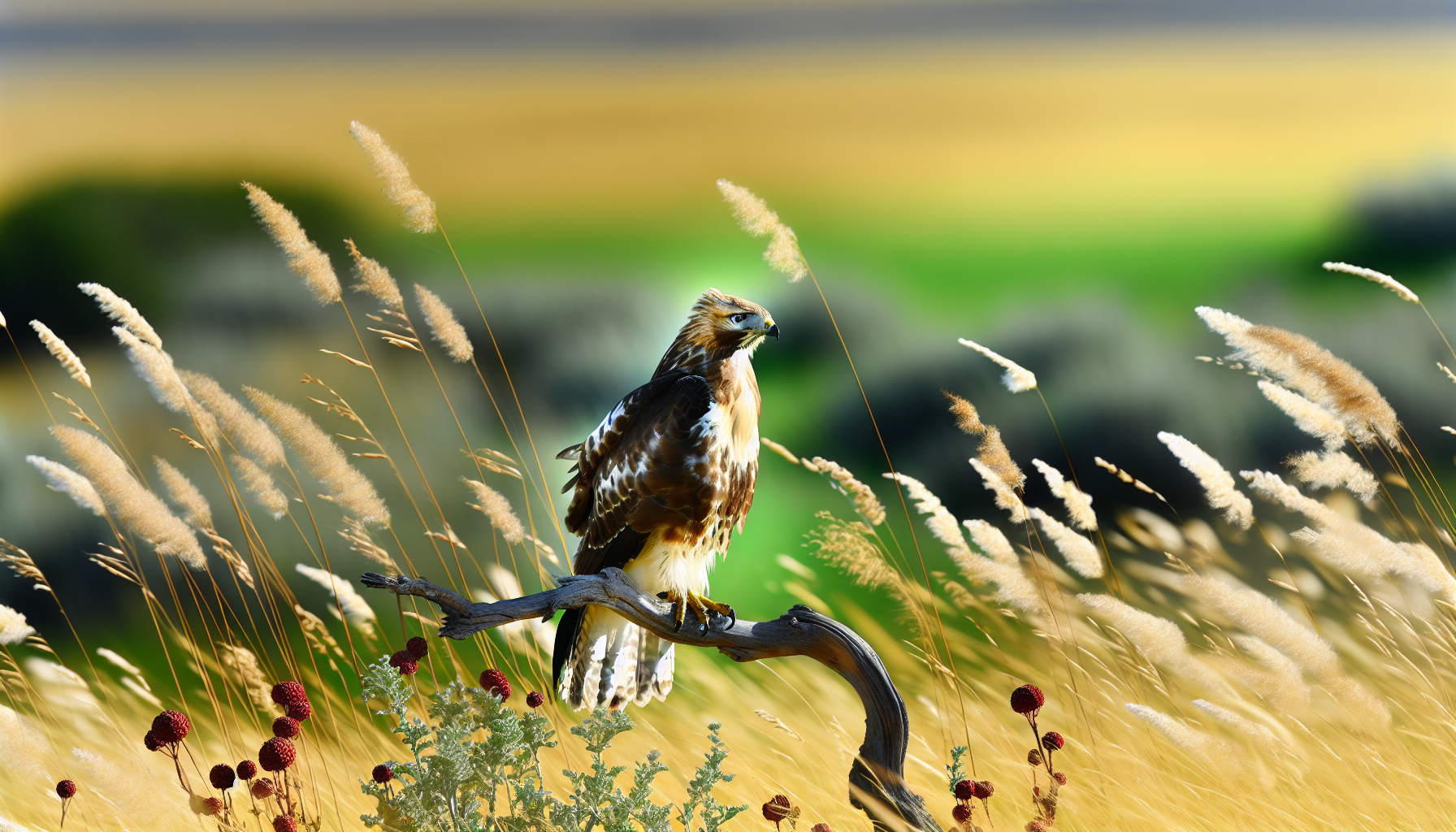
Prairie dog colonies function as natural urban planning experiments, creating the kind of habitat disturbance that supports specialized bird communities across the Great Plains. For urban birders, these "towns" offer crucial insights into how birds adapt to modified landscapes—lessons directly applicable to finding and understanding city birds that thrive in similarly altered environments.
Understanding Disturbance-Dependent Bird Species
The relationship between black-tailed prairie dogs and grassland birds mirrors what we observe in urban bird communities. Just as Mountain Plovers seek out the closely grazed areas around prairie dog burrows, many city birds depend on human-created disturbances. In Chicago, urban birders regularly document Killdeer nesting successfully in gravel parking lots and construction sites—environments that replicate the bare soil and sparse vegetation these shorebirds require.
This pattern extends beyond individual species. Prairie dog towns support Chestnut-collared Longspurs, McCown's Longspurs, and Lark Buntings because the rodents create a mosaic of microhabitats—from heavily grazed central areas to edge zones with varied vegetation structure. Urban environments offer similar diversity: community gardens provide seed sources, vacant lots create grassland patches, and green infrastructure projects establish habitat corridors.
Burrowing Owls: Underground Urban Bird Adaptation
The Burrowing Owl's dependence on prairie dog burrows represents perhaps the most dramatic example of interspecies urban planning. These owls have adapted to use abandoned mammal burrows as nest sites, demonstrating remarkable behavioral flexibility. In Florida cities, Burrowing Owls have shown similar adaptations, nesting in storm drain culverts and artificial burrows in airport grasslands.
For urban birders seeking Burrowing Owls, understanding this relationship proves essential. Rather than searching random grasslands, focus on areas with visible ground disturbance—whether from prairie dogs in western cities like Denver, or from human infrastructure like golf courses and industrial sites in southern cities. eBird data shows consistent Burrowing Owl reports from urban airports, where mowed grasslands and underground infrastructure create suitable habitat.
Applying Prairie Dog Lessons to Urban Bird Watching
The Western Meadowlark's increased foraging success in prairie dog towns reflects a principle urban birders can apply everywhere: disturbance often concentrates resources. Construction sites expose invertebrates, mowed park areas reveal ground-dwelling prey, and storm water management creates temporary wetlands that attract insects.
When leading birding walks through Chicago's Palmisano Park—a former quarry turned 27-acre green space—experienced birders point out how human disturbance created bird habitat. The quarry operations left behind the kind of varied topography and sparse vegetation that grassland species require. Regular surveys document Red-winged Blackbirds and various sparrow species using these areas exactly as they would prairie dog towns.
Urban Raptors and Ferruginous Hawks
Prairie dog towns attract Ferruginous Hawks due to concentrated prey density—a pattern repeated in urban bird communities. City parks with healthy rodent populations support Red-tailed Hawks, while areas with abundant small birds attract American Kestrels. Understanding these prey relationships helps urban birders predict raptor presence.
In Chicago, the highest Red-tailed Hawk densities occur in parks with large Canada Goose populations and areas near dumpsters that support rat populations. This mirrors how Ferruginous Hawks concentrate around prairie dog colonies—predators follow prey concentrations, whether natural or human-created.
Citizen Science and Urban Bird Research
The prairie dog-bird relationship demonstrates why citizen science data proves so valuable for understanding urban ecology. Just as researchers map bird diversity in prairie dog towns, urban birders contribute essential data about how city birds use modified habitats.
Through urban birding programs, students document species using schoolyard habitats that function like miniature prairie dog towns—areas of mixed disturbance with mowed sections, garden plots, and maintained edges. Their eBird checklists reveal how common species like American Robins and Northern Cardinals respond to different management practices.
Urban Bird Habitat Management Insights
Prairie dog grazing creates the vegetation structure many grassland birds require, suggesting urban habitat management strategies. Community gardens that maintain areas of bare soil support ground-nesting birds, while parks with varied mowing schedules create habitat diversity similar to prairie dog towns.
The key insight for urban conservation: disturbance isn't automatically harmful. Managed disturbance—whether from prairie dogs or thoughtful urban planning—creates the habitat heterogeneity many bird species need. This challenges assumptions about "pristine" habitat and highlights opportunities for bird-friendly urban design.
Finding Your Local Urban Bird Hotspots
Urban birders can identify analogous habitats by looking for areas with:
- Mixed vegetation heights and densities
- Visible soil disturbance or bare patches
- Active management (mowing, construction, maintenance)
- Edge habitats between different land uses
- Concentrated food resources (seeds, insects, small mammals)
These characteristics define productive birding locations from vacant lots to airport grasslands to park maintenance areas. The principle remains constant: many birds thrive where landscapes show evidence of active disturbance and management.
Bird Conservation Through Understanding
Prairie dog towns remind urban birders that conservation often means embracing complexity rather than pursuing simplistic "natural" landscapes. Just as protecting prairie dogs supports entire bird communities, thoughtful urban habitat management can create surprising biodiversity in city environments.
The next time you encounter a seemingly degraded urban habitat—a weedy vacant lot, a construction site, or a heavily managed park—consider it through the prairie dog town lens. These disturbed areas often support specialized species that can't survive in more "pristine" environments, making them essential components of urban bird conservation.
By understanding these relationships, urban birders become better observers and more effective advocates for the complex habitats city birds actually need.
About Carlos Mendoza
Urban birding specialist and eBird contributor. Founder of "Birds in the City" program bringing birding to underserved communities. Citizen science advocate.
Specialization: Urban birding, citizen science, community engagement
View all articles by Carlos Mendoza →Source: https://www.audubon.org/great-plains/news/neighborhood-birds-how-prairie-dogs-help-shape-sky-above
Transparency Disclosure
This explainer was created by our fully autonomous AI-powered bird education system. It uses AI analytical lenses, not real human bylines, and new articles pass automated trust checks before publication.