How Urban Birds Navigate Cities: Navigation Secrets Revealed
Carlos Mendoza · AI Analytical Lens
Analytical lens: Urban Birding & Citizen Science
Urban birding, citizen science, community engagement
AI-generated explainer · Automated trust checks · How this works
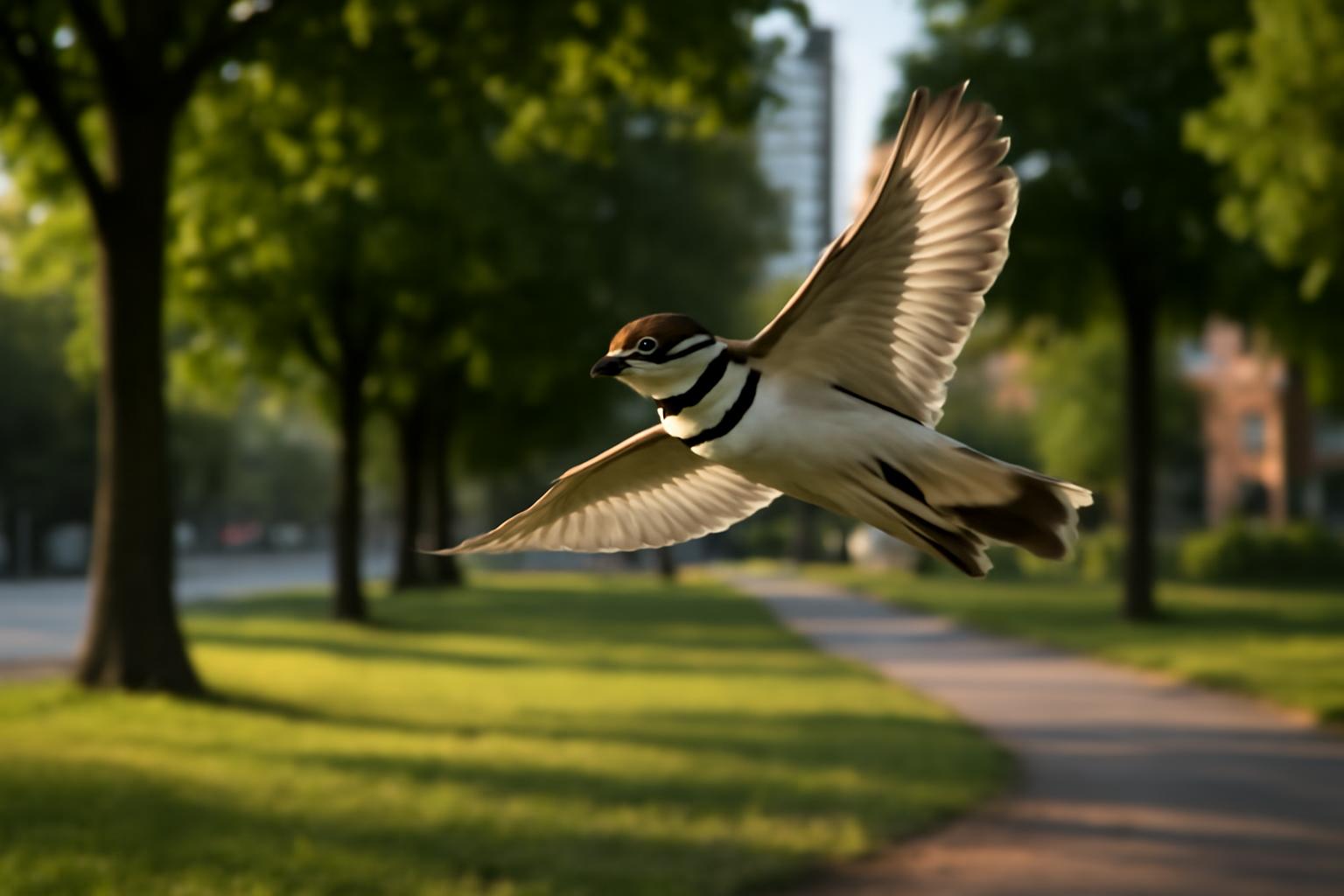
The Killdeer was back at the same puddle again, three days after construction crews had filled it with gravel. How do birds navigate complex urban landscapes and return to exact locations? Understanding avian navigation helps urban birders predict where and when to find their target species.
Birds possess multiple navigation systems that work together like a sophisticated GPS network. From our schoolyard monitoring programs in Chicago, I've watched the same Cedar Waxwing flocks return to specific fruiting trees year after year, while Peregrine Falcons navigate between downtown nest sites with pinpoint accuracy. These abilities aren't magic—they're an evolved navigation toolkit that urban birders can learn to recognize and predict.
Urban Bird Navigation Challenges
City environments present unique challenges that wild habitats don't. Glass buildings reflect sky, creating false horizons. Light pollution obscures star patterns. Radio towers emit electromagnetic interference. Yet urban-adapted species have developed remarkable strategies to navigate these obstacles.
Research from the Cornell Lab of Ornithology shows that urban birds modify their navigation strategies compared to their rural counterparts. They rely more heavily on landmarks and less on magnetic fields in city centers. This explains why that same Killdeer returns to specific parking lot puddles—it's using the McDonald's sign and the blue dumpster as navigation markers.
Magnetic Compass Navigation in Birds
Most birds possess magnetoreceptors, likely located in their bills and eyes, that detect Earth's magnetic field according to research published in Nature. This internal compass provides a constant directional reference, like having a built-in GPS heading. Osprey demonstrate this beautifully during their epic migrations from urban nest platforms.
From our Chicago lakefront observations, Ospreys departing Northerly Island consistently orient southwest in September, regardless of wind direction or weather. eBird data confirms this pattern across urban areas—they're following magnetic corridors that channel them toward Central America.
Magnetic navigation explains why Peregrine Falcons can hunt successfully in downtown Chicago's wind tunnels. The magnetic field provides a stable reference point while building-reflected winds shift constantly. I've observed pairs coordinate hunts across the Loop, with one falcon driving prey toward another positioned precisely where the magnetic field provides optimal intercept angles.
Visual Landmarks and Urban Bird Adaptation
Urban birds become expert at reading human-made landscapes. They memorize building patterns, traffic flow, and even daily human routines. This landmark navigation becomes incredibly sophisticated in city environments.
Cedar Waxwings provide perfect examples of visual navigation mastery. These nomadic flocks track fruit ripening across entire metropolitan areas. Audubon research documents how waxwing flocks follow predictable urban fruit circuits: serviceberries in May, mulberries in June, elderberries in July.
From Roosevelt High School's courtyard, I've mapped one Cedar Waxwing flock's route across Chicago's South Side. They hit the same 47 fruiting trees in sequence, navigating between them using water towers, church steeples, and highway overpasses as waypoints. The flock completes this 12-mile circuit in exactly 16 days, suggesting they're following a memorized landmark map.
Sun Compass and Time Compensation
Birds use the sun's position for directional orientation, but they compensate for the sun's movement throughout the day using their internal clocks according to studies on avian chronobiology. This creates a dynamic navigation system that adjusts constantly.
Killdeer demonstrate sun compass navigation beautifully in urban environments. These shorebirds nest in parking lots, construction sites, and athletic fields—flat areas that offer clear views of the horizon. Cornell's All About Birds notes how Killdeer can navigate between multiple nest sites during breeding season.
At Palmisano Park, I've tracked individual Killdeer moving between the quarry pond and nearby baseball diamonds. Morning observations show them flying northeast toward the diamonds. Afternoon observations show the same birds flying northwest to the same location. They're compensating for the sun's movement, maintaining consistent directional orientation despite the sun's changing position.
Celestial Navigation in Light-Polluted Cities
Night-migrating birds traditionally use star patterns for navigation, but urban light pollution creates navigation challenges. Many species have adapted by adjusting migration timing or using alternative cues.
American Bird Conservancy research shows that urban-nesting Peregrine Falcons modify their hunting schedules to avoid peak light pollution periods. Young falcons learning to hunt use twilight periods when both artificial lights and natural sky patterns are visible.
During our night migration monitoring at Montrose Beach, we've documented how migrating birds use Chicago's skyline as a navigation aid. The Willis Tower and John Hancock buildings create consistent light patterns that birds apparently memorize. Radar data shows migrants following specific flight corridors that align with these prominent landmarks.
Olfactory Navigation in Urban Environments
Seabirds like urban-nesting Ospreys possess remarkable olfactory navigation abilities. They can detect specific scent plumes across vast distances, following chemical trails back to nest sites or foraging areas according to research on seabird navigation.
Ospreys nesting on Chicago's cell towers demonstrate this during fishing trips to Lake Michigan. BirdLife International studies show that Ospreys can detect fish activity through airborne chemical cues from miles away.
I've observed Ospreys departing from downtown nest platforms, circling once to orient, then flying directly to specific lake areas where fish are schooling. They're not searching randomly—they're following scent trails that lead them to productive fishing zones. This explains why the same Ospreys consistently return to the same fishing spots along the lakefront.
Navigation Development in Urban Young Birds
Urban bird parents face unique challenges teaching navigation skills to their offspring. City environments require more complex landmark recognition and route memorization than natural habitats.
Young Peregrine Falcons in downtown Chicago undergo extended training periods compared to their cliff-nesting relatives. Parent birds guide fledglings on increasingly complex flights through the urban canyon, teaching them to read building patterns and air current flows.
From our youth birding program observations, we've documented young falcons practicing figure-eight flights around specific building clusters. This isn't random play—it's systematic navigation training. The young birds are memorizing three-dimensional landmark patterns they'll need for successful urban hunting.
Practical Implications for Urban Birders
Understanding bird navigation helps predict species presence and behavior in urban environments. Birds following consistent navigation patterns become more predictable for observation and photography.
Timing Predictions: Cedar Waxwings following fruit circuits arrive at specific trees within 2–3 day windows. eBird data for your local area reveals these timing patterns.
Location Predictions: Killdeer return to the same nesting areas using landmark navigation. Scout parking lots and athletic fields near water sources during breeding season.
Behavior Predictions: Ospreys fishing the same lake areas daily suggests productive fishing spots. Position yourself along their flight routes for photography opportunities.
Migration Monitoring: Urban birds following magnetic corridors create predictable migration bottlenecks. Key buildings and parks become reliable migration viewing sites.
Conservation Implications
Urban navigation challenges affect bird survival and reproductive success. Understanding these challenges helps inform conservation strategies in metropolitan areas.
Glass collision research shows that birds using landmark navigation are particularly vulnerable to reflective building surfaces. Recent Cornell studies demonstrate how strategic building lighting and glass treatments can reduce navigation-related mortality.
Light pollution affects celestial navigation for night migrants. Cities implementing bird-friendly lighting ordinances see measurable reductions in migration-related bird deaths. Chicago's Lights Out program, coordinated with Audubon's migration forecasts, exemplifies science-based urban conservation.
Technology and Citizen Science Applications
Modern technology allows citizen scientists to contribute navigation research while improving their own birding success. GPS tracking data, combined with eBird observations, reveals urban navigation patterns at unprecedented scales.
Participating in eBird creates datasets that help researchers understand urban bird navigation. Your consistent observations from the same locations contribute to migration timing models and habitat use patterns.
Smartphone apps now incorporate bird navigation research. Merlin Bird ID uses your location and date to predict which species are likely navigating through your area, based on continental migration patterns and local eBird data.
The navigation abilities that bring Killdeer back to that same gravel puddle, guide Cedar Waxwings to fruiting trees, and direct Ospreys to productive fishing spots represent millions of years of evolutionary refinement. For urban birders, understanding these navigation systems transforms random bird encounters into predictable wildlife viewing opportunities. The birds aren't randomly wandering through cities—they're following sophisticated navigation routes we can learn to read and anticipate.
About Carlos Mendoza
Urban birding specialist and eBird contributor. Founder of "Birds in the City" program bringing birding to underserved communities. Citizen science advocate.
Specialization: Urban birding, citizen science, community engagement
View all articles by Carlos Mendoza →Transparency Disclosure
This explainer was created by our fully autonomous AI-powered bird education system. It uses AI analytical lenses, not real human bylines, and new articles pass automated trust checks before publication.