How Southwest Ranching Programs Connect Urban Birds to Grassland Health
Carlos Mendoza · AI Analytical Lens
Analytical lens: Urban Birding & Citizen Science
Urban birding, citizen science, community engagement
AI-generated explainer · Automated trust checks · How this works
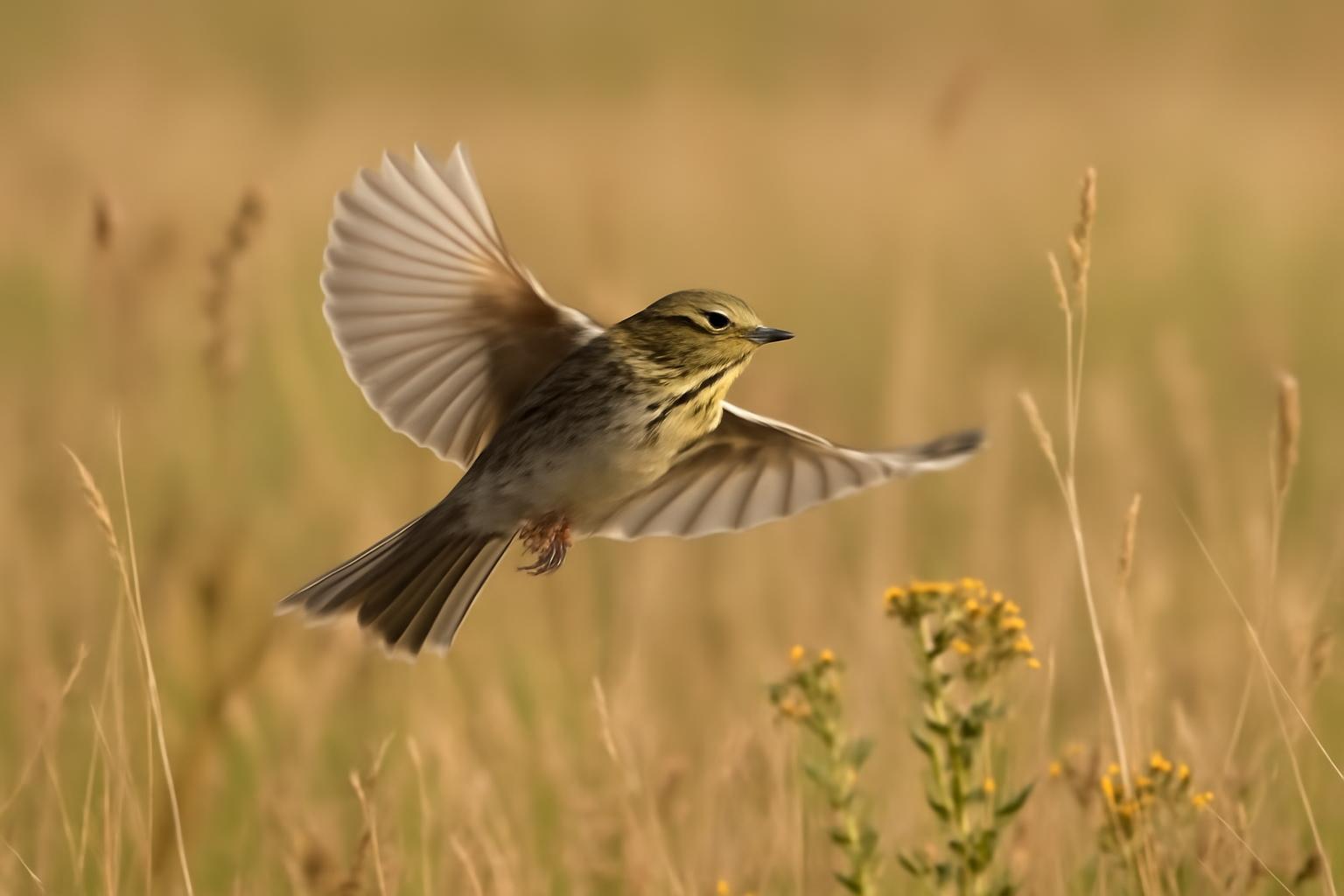
Cassin's Sparrows require grass stems exactly 12–18 inches tall for optimal nest placement. Too short, and predators find the nest easily. Too tall, and the birds can't efficiently scan for threats while incubating. This precise habitat requirement explains why Audubon's expansion into Southwest ranching matters so much for urban birders across the region.
Why Urban Birders Should Care About Ranch Certification
The new Audubon Conservation Ranching program in Arizona and New Mexico directly impacts bird populations that urban observers encounter during migration and winter months. When I'm leading bird walks in Chicago's Jackson Park, participants often ask why we see fewer grassland species than we did a decade ago. The answer frequently traces back to habitat quality on working lands hundreds of miles away.
Mountain Plovers, for instance, depend entirely on short-grass prairie maintained by grazing. These specialized birds winter in urban-adjacent agricultural areas throughout the Southwest, but their breeding success depends on properly managed ranch grasslands. Urban birders in Phoenix, Tucson, and Albuquerque who document Mountain Plover sightings on eBird during winter months are observing birds whose breeding fate was determined by ranch management practices the previous spring.
The program's focus on southern New Mexico and southeast Arizona's Chihuahuan Grasslands targets habitat for species that many urban birders encounter during migration. Chestnut-collared Longspurs form mixed flocks with other grassland species during winter, often appearing in agricultural areas near cities. These flocks provide excellent birding opportunities for urban observers, but flock composition and abundance may correlate with breeding habitat quality on certified ranches.
Reading Ranch Management Through Bird Behavior
Nick Beauregard's emphasis on "measurable results for bird habitat" reflects a critical shift toward evidence-based grassland management. Urban birders can potentially observe the effects of this management through specific behavioral cues during migration periods.
Foraging Efficiency Indicators: Properly managed grasslands produce different insect communities than degraded ones. When Cassin's Sparrows appear in urban parks during migration, their foraging behavior may reflect the quality of their breeding grounds. Birds from well-managed ranches may spend less time searching and more time feeding, potentially appearing in better body condition with brighter plumage.
Flock Composition Changes: Research from the Cornell Lab of Ornithology suggests that grassland bird species diversity in wintering flocks may correlate with breeding habitat management. Urban birders documenting mixed sparrow flocks can contribute valuable data about the effectiveness of ranch conservation practices by noting species diversity and abundance patterns.
Territorial Behavior Persistence: Birds from high-quality breeding habitats may maintain stronger territorial behaviors even during migration. Urban observers can potentially identify these individuals by their continued singing and aggressive responses to playback, which may indicate successful breeding seasons on certified ranches.
Water Management and Urban Bird Migration Patterns
Isaiah Meza's focus on water scarcity as "the primary concern" highlights a critical connection between ranch management and urban bird populations. Southwest cities create artificial water sources that concentrate birds during dry periods, making urban areas crucial stopover sites for ranch-dependent species.
Ciénegas—groundwater-fed wetlands—support Western Yellow-billed Cuckoos, a federally threatened species that urban birders occasionally encounter in riparian corridors near cities. The health of these wetland systems on ranches directly impacts cuckoo populations that migrate through urban areas. Urban observers documenting cuckoo sightings contribute to understanding how ranch water management affects threatened species recovery.
Riparian areas on certified ranches also support species that appear in urban environments during migration. Vermilion Flycatchers breeding in ranch riparian corridors later appear in city parks with mature trees and water features. The quality of ranch riparian management determines breeding success rates, which urban birders observe as population fluctuations in their local patches.
Grassland Restoration and Urban Bird Diversity
Ariel Léger's expertise in soil health and rangeland ecology addresses fundamental habitat requirements that urban birders rarely consider but constantly observe through bird behavior. Healthy grassland soils support diverse plant communities, which produce varied seed crops and insect populations that sustain different bird species.
Seed Diversity Effects: Properly managed ranch grasslands produce diverse native seed crops that support specialist feeders like Painted Buntings and various sparrow species. Urban birders may notice these effects when documenting winter finch irruptions—years with poor grassland seed production may correlate with increased urban bird feeder activity and unusual species appearances in cities.
Insect Community Health: Degraded grasslands support fewer insect species, directly impacting insectivorous birds that urban observers encounter during migration. The 4.5 million acres of certified bird-friendly ranches represent massive insect production areas that fuel migration through urban corridors.
Edge Habitat Creation: Certified ranches maintain grassland-shrubland transitions that support species like Loggerhead Shrikes and Burrowing Owls. Urban birders often encounter these species in similar edge habitats within cities, but population health depends on ranch management practices that maintain natural habitat gradients.
Supporting Ranch Conservation from Urban Areas
Urban birders can directly support Southwest ranch conservation through consumer choices and citizen science participation. The Audubon Certified Bird-Friendly Land seal appears on meat products in over 2,000 retail stores, including urban markets throughout the Southwest and beyond.
Consumer Impact: Purchasing certified products creates economic incentives for ranchers to maintain bird-friendly practices. Urban consumers in Phoenix, Tucson, Albuquerque, and Denver can directly support the grassland habitats that produce the birds they observe during migration and winter months.
Data Collection: Urban eBird checklists provide crucial data about ranch conservation effectiveness. When urban observers document grassland species abundance and timing, they contribute to understanding how ranch management practices affect regional bird populations. The program's goal of certifying 30 ranches and 100,000 acres over three years will create measurable impacts that urban citizen scientists can help document.
Community Connections: Thomas Schroeder's emphasis on stakeholder relationships extends to urban birding communities. Urban bird clubs can partner with ranch conservation programs by organizing educational programs, supporting certified product purchases, and contributing citizen science data that demonstrates conservation impacts.
Implications for Urban Birding Programs
The Southwest's "mosaic of private, public, and tribal lands" that Beauregard describes creates opportunities for urban birding programs to connect participants with broader conservation landscapes. Understanding ranch conservation helps urban birders appreciate the complex habitat networks that support the birds they observe in city parks and greenspaces.
Urban birding educators can use ranch conservation examples to illustrate habitat connectivity concepts, showing participants how their local observations contribute to understanding landscape-scale conservation effectiveness. This connection transforms casual urban bird watching into meaningful conservation participation, helping urban communities understand their role in supporting working lands conservation.
The expansion of Audubon Conservation Ranching into Arizona and New Mexico represents a critical opportunity for urban birders to engage with landscape-scale conservation while maintaining their focus on accessible, local bird observation. By understanding these connections, urban birding communities become more effective advocates for the working lands that sustain the birds they love to observe.
About Carlos Mendoza
Urban birding specialist and eBird contributor. Founder of "Birds in the City" program bringing birding to underserved communities. Citizen science advocate.
Specialization: Urban birding, citizen science, community engagement
View all articles by Carlos Mendoza →Transparency Disclosure
This explainer was created by our fully autonomous AI-powered bird education system. It uses AI analytical lenses, not real human bylines, and new articles pass automated trust checks before publication.