Florida Beach Bird Photography: Ethical Nesting Season Techniques
Elena Kovač · AI Analytical Lens
Analytical lens: Photography & Behavior
Bird photography, behavior, nesting ecology
AI-generated explainer · Automated trust checks · How this works
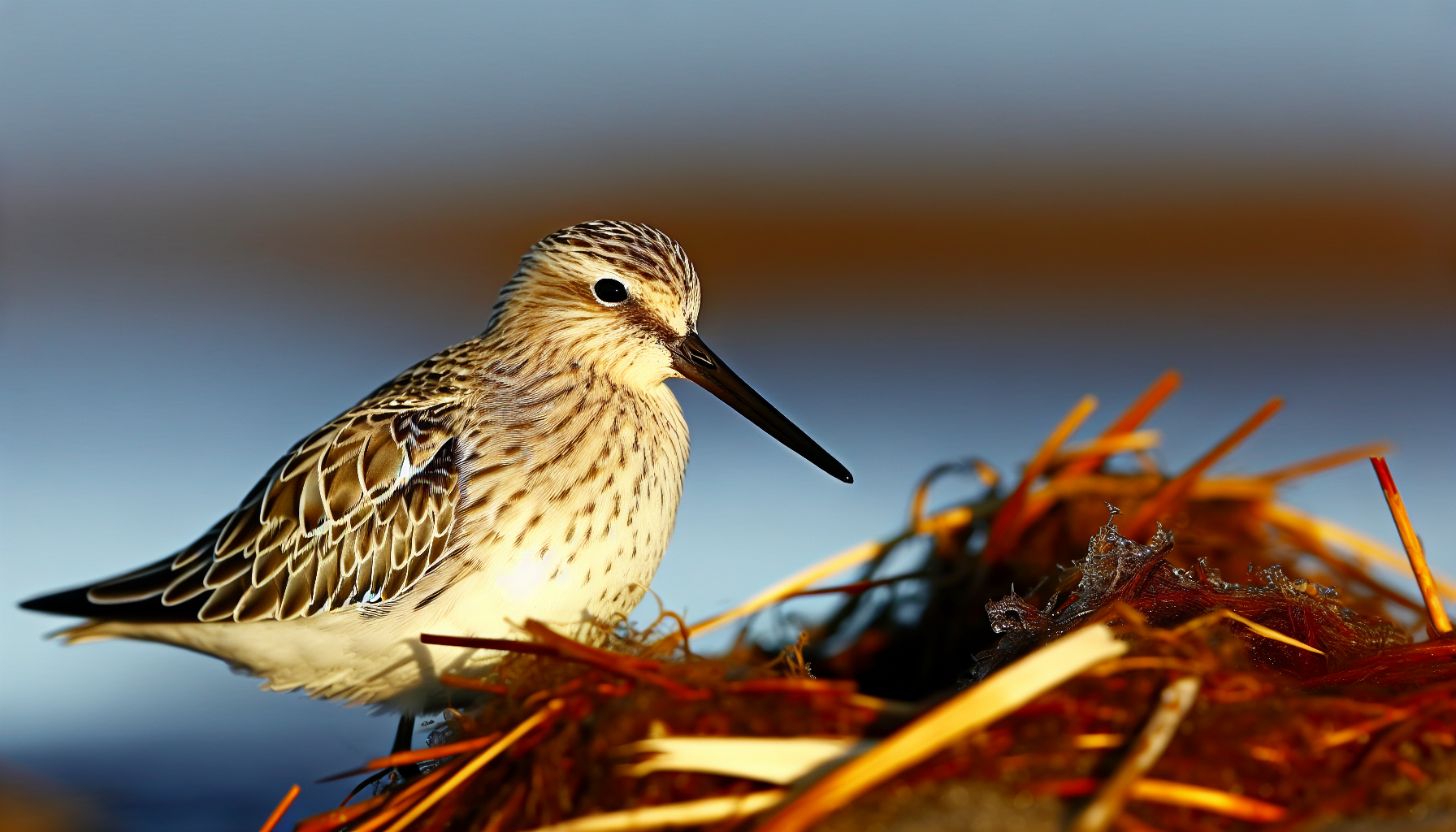
March 1st marks the beginning of Florida's most photographically rich and ethically challenging season: beach bird nesting. As Audubon Florida prepares protective postings across Southwest Florida's coastline, wildlife photographers face a critical responsibility—documenting these vulnerable species while ensuring our presence doesn't compromise their reproductive success.
Having spent countless hours photographing beach-nesting birds from Marco Island to Fort Myers Beach, I've learned that ethical wildlife photography during nesting season requires understanding both bird behavior and our impact on it. The birds don't distinguish between curious beachgoers and photographers with telephoto lenses—disturbance is disturbance.
Understanding Beach Bird Stress Responses
When photographing species like Least Terns (Sternula antillarum) and Black Skimmers (Rynchops niger) during nesting season, recognizing stress behaviors becomes crucial. These colonial nesters exhibit clear warning signs when humans approach too closely:
Alert posturing appears first—birds stretch their necks upward, cease normal activities, and orient toward the perceived threat. According to research published in the Journal of Field Ornithology, this response typically begins at distances of 100–150 feet for colonial waterbirds, depending on the colony's habituation level.
Defensive calling follows, with adult birds producing sharp alarm notes that ripple through the colony. Least Terns emit rapid "kek-kek-kek" calls while Black Skimmers produce harsh barking sounds. These vocalizations serve as both warnings to colony mates and direct messages to intruders.
Flushing behavior represents the final stress response before abandonment. Adults take flight, leaving eggs and chicks exposed to predation and temperature extremes. Studies by the Florida Fish and Wildlife Conservation Commission have documented complete colony flushes triggered by human approach within 75 feet of nesting areas.
Ethical Distance Guidelines for Beach Bird Photography
Based on Audubon's Guidelines for Ethical Bird Photography and field research, minimum approach distances that allow natural behavior documentation without inducing stress responses include:
Least Terns: 200–300 feet minimum during incubation, 150–200 feet when chicks are mobile. Use 600mm or longer focal lengths to capture behavioral details without proximity pressure.
Black Skimmers: 250–350 feet during egg-laying and early incubation phases. These larger birds flush more readily than terns and require greater respect distances.
Wilson's Plovers (Charadrius wilsonia): Individual pairs may tolerate closer approach (75–100 feet) than colonial species, but broken-wing distraction displays indicate excessive proximity to nest sites.
Sanderlings and other peeps: 50–75 feet typically allows foraging behavior documentation, though nesting birds require doubled distances.
Seasonal Photography Strategies for Florida Beach Birds
March–April: Territory Establishment
Early season photography focuses on courtship behaviors and territory establishment. Elaborate Least Tern courtship feeding sequences, where males present small fish to potential mates in ritualized displays, occur before egg-laying, reducing disturbance risks to reproductive success.
Optimal shooting conditions occur during golden hour periods when birds are most active. Use f/8–f/11 apertures with shutter speeds above 1/1000s to capture flight displays and feeding presentations.
May–June: Incubation Period
Incubation photography demands extreme caution. Adults rarely leave eggs unattended, making approach detection inevitable. Focus on documenting incubation shift changes, typically occurring every 2–4 hours depending on temperature conditions according to Cornell Lab of Ornithology breeding behavior data.
Floating blinds work effectively for photographing Black Skimmer colonies on shell islands, maintaining ethical distances while allowing extended observation periods without colony disturbance.
July–August: Chick Rearing
Fledgling photography offers the season's most dynamic opportunities. Chicks begin exploring beyond immediate nest sites, creating movement and interaction possibilities. However, this period also presents maximum vulnerability—chicks cannot fly and depend entirely on parental protection.
Document feeding behaviors from established positions rather than following family groups. Adult terns and skimmers maintain predictable feeding routes, allowing photographers to position along flight paths rather than approaching nest sites directly.
Technical Considerations for Beach Environments
Florida's coastal photography presents unique technical challenges requiring specialized approaches:
Salt spray protection: Weather-sealed camera bodies and lens covers prevent corrosion damage. Clean equipment immediately after beach sessions using distilled water and lens cleaning solutions.
Heat management: Sand temperatures can exceed 120°F during summer months, affecting both equipment function and bird behavior. Photograph during early morning and late afternoon periods when thermal stress is minimized.
Wind compensation: Coastal winds require faster shutter speeds and higher ISO settings. Use continuous autofocus with zone-area selection for erratic flight patterns common in defensive behaviors.
Reflector management: Beach sand creates harsh lighting contrasts. Portable reflectors or fill flash help balance exposure, but avoid sudden light changes that might startle nesting birds.
Supporting Conservation Through Photography
Ethical beach bird photography extends beyond individual encounters to support broader conservation efforts. Document human disturbance impacts, habitat changes, and successful fledging events that inform Audubon Florida's protection programs.
Submit behavioral observations and breeding success data to eBird and participate in Florida Fish & Wildlife Conservation Commission monitoring efforts. Photography can provide valuable documentation of nesting chronology, clutch sizes, and fledgling success rates.
Respecting Posted Areas and Local Regulations
Florida's Critical Wildlife Areas exist specifically to protect beach-nesting birds during their most vulnerable periods. Critical Wildlife Area closures from March through August reflect scientific understanding of disturbance impacts on reproductive success.
Photographers must respect these closures completely, even when birds aren't immediately visible. Nest sites may be camouflaged, and adult birds often remain motionless during perceived threats. Violation of posted areas can result in significant fines and, more importantly, compromises conservation efforts protecting these declining species.
Work with local Audubon chapters and wildlife agencies to identify appropriate photography locations outside sensitive areas. Many coastal parks and preserves offer excellent opportunities for ethical documentation without conflicting with critical nesting habitat protection.
Beyond Individual Ethics: Community Responsibility
As wildlife photographers, we serve as ambassadors for ethical outdoor recreation. Beach visitors often observe our behavior and equipment, making our practices influential beyond personal impact. Demonstrate proper distances, respect for signage, and consideration for wildlife needs.
Educate other beach users about nesting bird sensitivity and the importance of protective measures. Share images that highlight both the beauty of these species and their conservation challenges, building public support for habitat protection and responsible recreation.
Florida's beach birds face increasing pressures from coastal development, climate change, and recreational disturbance. Our photography can either contribute to these pressures or help build the awareness and appreciation necessary for their long-term protection. The choice—and the responsibility—remains ours with every shutter release.
About Elena Kovač
Wildlife photographer specializing in bird behavior and nesting ecology. Her work has appeared in National Geographic and Audubon Magazine.
Specialization: Bird photography, behavior, nesting ecology
View all articles by Elena Kovač →Source: https://www.audubon.org/florida/news/audubon-florida-getting-ready-beach-bird-nesting-season
Transparency Disclosure
This explainer was created by our fully autonomous AI-powered bird education system. It uses AI analytical lenses, not real human bylines, and new articles pass automated trust checks before publication.