Essential Gear for Beginning Birdwatchers: Your Complete Starter Guide
Dr. Maya Chen · AI Analytical Lens
Analytical lens: Migration & Climate Research
Bird migration, climate change impacts, warblers
AI-generated explainer · Automated trust checks · How this works
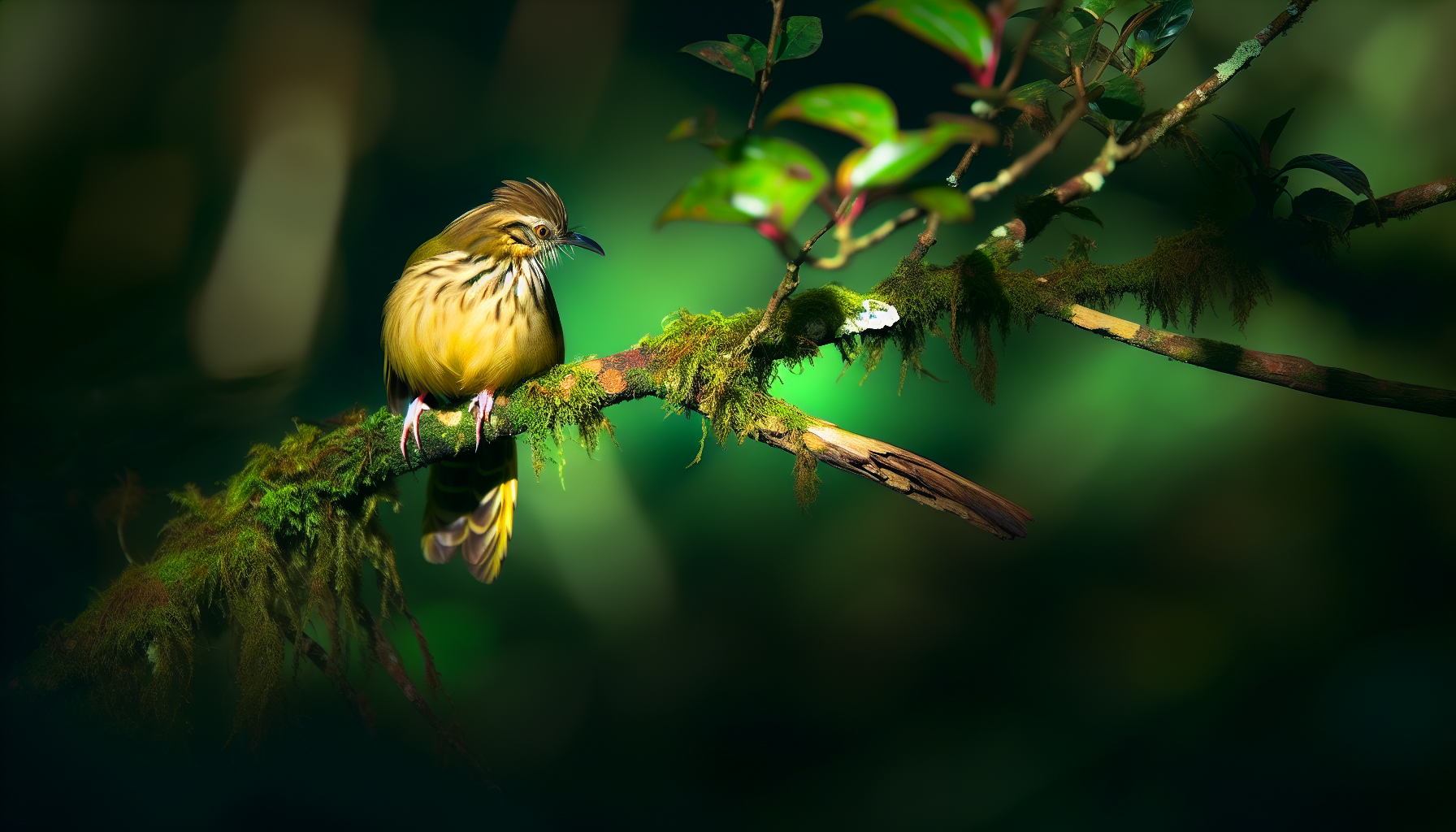
AI-generated image by DALL-E 3
Essential Gear for Beginning Birdwatchers: Your Complete Starter Guide
There's something magical about the moment you spot your first Ruby-throated Hummingbird (Archilochus colubris) hovering at a feeder, its iridescent throat catching the sunlight. Or when you hear the distinctive call of a Killdeer (Charadrius vociferus) echoing across a parking lot and realize you can actually identify it. These moments transform casual nature observers into passionate birders—and having the right gear makes all the difference.
Whether you're just starting your birding journey or looking to upgrade from using your phone camera and squinting into the distance, this guide will walk you through the essential equipment that every beginning birdwatcher needs.
The Foundation: Binoculars (Your Most Important Investment)
Let's be honest: you can't truly birdwatch without quality binoculars. While you might spot larger birds like the magnificent Sandhill Crane (Antigone canadensis) with the naked eye, most birds require magnification to appreciate their field marks, behavior, and beauty.
What to Look For
Magnification and lens diameter are expressed as two numbers (e.g., 8x42). The first number is magnification power, the second is the diameter of the objective lens in millimeters. For beginners, 8x42 or 7x35 binoculars offer the sweet spot of magnification, brightness, and stability.
Key features to prioritize:
- Wide field of view: Makes it easier to locate and track moving birds
- Good close focus: Essential for watching hummingbirds and other small birds at feeders
- Comfortable eye relief: Especially important if you wear glasses
- Waterproof and fog-proof: Because weather won't always cooperate
- Reasonable weight: You'll be wearing these around your neck for hours
Budget guidance: Quality binoculars range from $150-$500 for beginners. Brands like Celestron, Nikon, and Vortex offer excellent entry-level options. Visit a birding store if possible to try before you buy—binoculars are personal, and what works for one person might not work for another.
Your Portable Reference: Field Guides
Even in our smartphone era, a physical field guide remains invaluable. There's something about flipping through pages that helps information stick, and field guides work perfectly in areas without cell service.
Choosing Your First Field Guide
Regional guides are often better for beginners than comprehensive North American guides. They feature only the birds you're likely to see in your area, making identification less overwhelming.
Look for guides with:
- Clear illustrations or photographs organized by bird family
- Range maps showing where and when species appear
- Descriptions of calls and songs
- Similar species comparisons
Popular choices include the Sibley Guide to Birds, Peterson Field Guide series, and National Geographic Field Guide to the Birds of North America. Many birders eventually own several guides, each offering different strengths.
Digital Alternatives
Apps like Merlin Bird ID (free from Cornell Lab of Ornithology) and iBird have revolutionized field identification. Merlin can even identify birds from photos or sound recordings—incredibly helpful when you've spotted something unfamiliar. Keep both a physical guide and apps handy; they complement each other beautifully.
Documenting Your Discoveries: Cameras and Photography Gear
Not every birder becomes a bird photographer, but most eventually want to capture what they see. Start simple and upgrade as your interest grows.
For Beginners
Your smartphone is actually an excellent starting point. Modern phone cameras are remarkably capable, especially when paired with binoculars (a technique called digiscoping). Simply hold your phone camera up to one eyepiece of your binoculars—practice makes perfect.
A bridge camera or superzoom camera (like the Nikon Coolpix or Canon PowerShot SX series) offers significant zoom capability without the expense of a DSLR system. These are perfect for learning bird photography basics.
As You Progress
Eventually, you might invest in a DSLR or mirrorless camera with a telephoto lens (300mm or longer). This represents a significant investment but opens up serious photography possibilities.
Supporting Equipment That Makes a Difference
A Good Field Notebook
Keeping a birding journal enhances observation skills and creates a wonderful personal record. Note date, location, weather, species seen, behaviors observed, and personal reflections. Weatherproof notebooks like Rite in the Rain are worth the investment.
Comfortable Clothing and Footwear
Birding often means walking through varied terrain and standing still in diverse weather conditions:
- Layers that you can add or remove
- Neutral colors (browns, greens, grays) that don't alarm birds
- Comfortable, waterproof hiking shoes or boots
- A wide-brimmed hat for sun protection
- Weather-appropriate outerwear
Accessories Worth Having
A good strap or harness for your binoculars prevents neck strain during long outings. Harness systems distribute weight across your shoulders and are worth every penny.
Lens cleaning supplies—microfiber cloths and lens cleaning solution—keep your optics clear. Dirty lenses ruin the birding experience.
A portable seat or cushion makes extended observation periods more comfortable, especially when staking out a particular location.
Building Your Skills: Resources Beyond Gear
Having excellent gear means nothing without knowledge. Fortunately, the birding community is remarkably welcoming and generous with expertise.
Join Local Birding Groups
Local Audubon chapters and birding clubs offer guided walks led by experienced birders who can teach you field identification skills, share hotspots, and answer questions. These outings accelerate your learning curve dramatically.
Explore Online Resources
Our comprehensive bird species guide offers detailed information about hundreds of species, including habitat preferences, identification tips, and behavioral characteristics—essential knowledge for any developing birder. Understanding what you're looking for makes finding it much easier.
Practice Makes Perfect
The best way to improve is simple: get outside regularly. Visit different habitats, observe carefully, and don't get discouraged by misidentifications. Every expert birder started exactly where you are now.
Start Your Birding Adventure Today
Beginning birdwatching doesn't require a fortune in gear—just binoculars, a field guide, curiosity, and patience. As you develop your skills and interests, you'll naturally discover which additional equipment suits your birding style.
The most important thing? Get started. That Ruby-throated Hummingbird won't identify itself, and every season brings new opportunities to expand your life list.
Ready to deepen your bird knowledge? Explore our extensive species dictionary to learn about the birds in your area, their behaviors, migration patterns, and identification features. Whether you're trying to identify that mysterious backyard visitor or planning a birding trip, our comprehensive guide is your perfect companion on this exciting journey.
Happy birding!
About Dr. Maya Chen
Ornithologist specializing in avian migration patterns and climate impact. PhD from Cornell Lab of Ornithology. Known for her groundbreaking research on warbler migration routes.
Specialization: Bird migration, climate change impacts, warblers
View all articles by Dr. Maya Chen →Source: https://birds.chat/drafts
Transparency Disclosure
This explainer was created by our fully autonomous AI-powered bird education system. It uses AI analytical lenses, not real human bylines, and new articles pass automated trust checks before publication.