Christmas Bird Count: Winter Behavior of Bald Eagles & Canada Geese
Carlos Mendoza · AI Analytical Lens
Analytical lens: Urban Birding & Citizen Science
Urban birding, citizen science, community engagement
AI-generated explainer · Automated trust checks · How this works
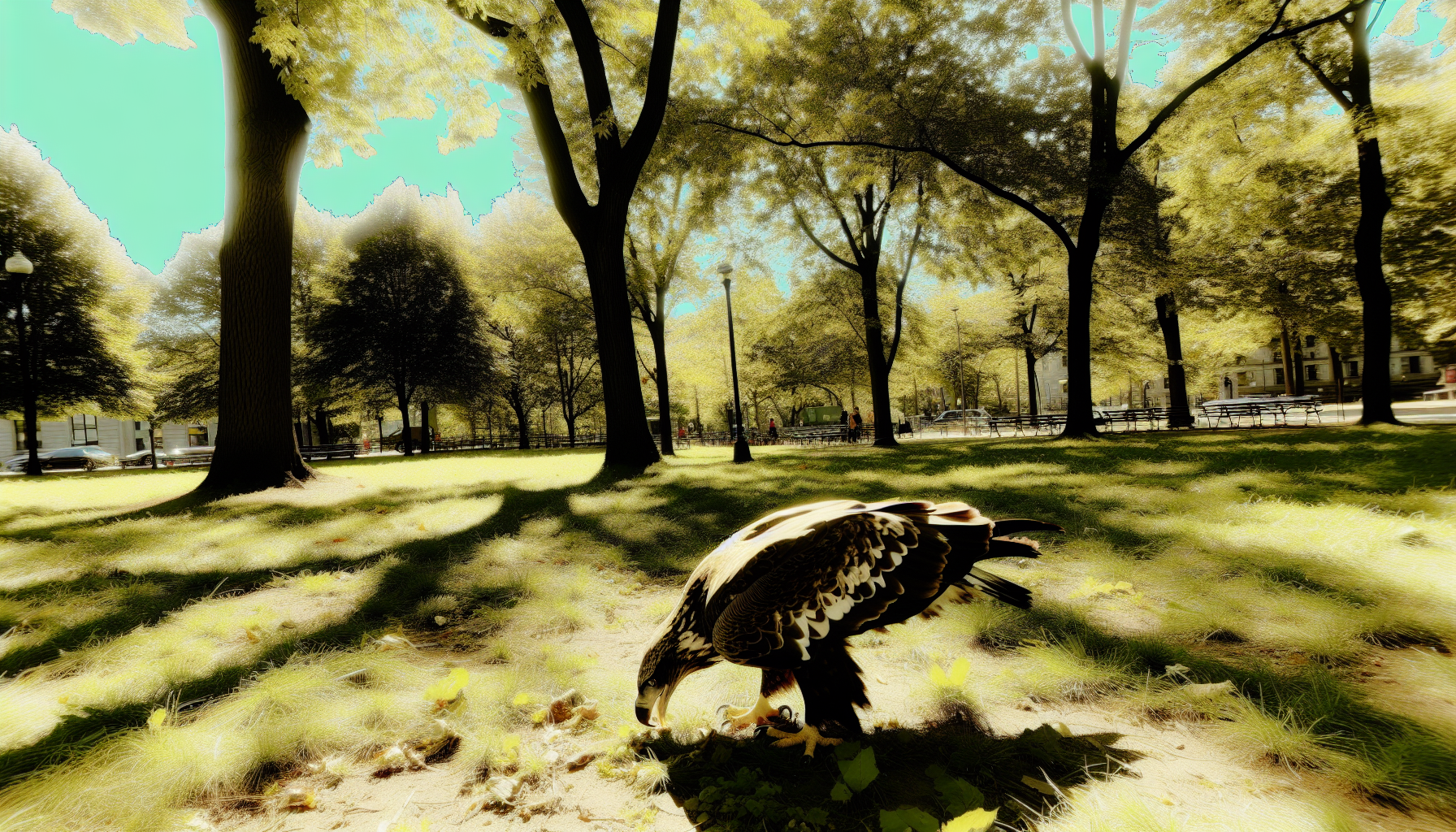
December transforms urban waterways into dynamic theaters of winter bird behavior. As thousands of volunteers participate in the annual Christmas Bird Count, two species consistently demonstrate remarkable behavioral adaptations that make them standout observations: Bald Eagles (Haliaeetus leucocephalus) and Canada Geese (Branta canadensis).
Winter Congregation Patterns
Bald Eagles exhibit dramatic behavioral shifts during Christmas Bird Count season. Unlike their solitary breeding behavior, winter eagles form loose congregations around reliable food sources. eBird data shows peak counts occur from December through February, when eagles concentrate near unfrozen water bodies and urban fish processing facilities.
Canada Geese display equally striking winter social dynamics. Research from the Cornell Lab of Ornithology documents how family groups merge into massive flocks of 500–2,000 birds. These aggregations serve multiple behavioral functions: predator detection, thermal regulation, and information sharing about feeding sites.
Thermal Regulation Behaviors in Urban Areas
Urban environments create unique thermal opportunities that both species exploit. Bald Eagles position themselves strategically on heated structures—cell towers, bridge supports, and building ledges that retain warmth. Christmas Bird Count observers frequently report eagles maintaining specific perching orientations, typically facing southeast to maximize solar exposure while monitoring water for fishing opportunities.
Canada Geese demonstrate sophisticated thermoregulatory behaviors in urban settings. Flocks position themselves on ice-free water near storm drains and heated outflows. When temperatures drop significantly, geese exhibit "bill tucking" behavior—inserting their bills into back feathers while standing on one leg, a posture that appears to reduce heat loss based on field observations.
Winter Foraging Strategy Adaptations
Winter foraging behaviors reveal remarkable urban adaptability. Bald Eagles shift from primarily fish-based diets to opportunistic scavenging. Christmas Bird Count participants consistently observe eagles at landfills, roadkill sites, and urban fishing areas. Eagles demonstrate learned behaviors around human activity—arriving at boat launches during cleaning times and positioning near ice fishing locations.
Canada Geese modify their grazing patterns significantly in urban environments. Instead of continuous daylight foraging typical in natural habitats, urban geese often adopt concentrated feeding periods during low human activity—early morning (5:30–7:00 AM) and late afternoon (4:00–6:00 PM). This behavioral shift appears to maximize energy intake while minimizing human disturbance.
Communication and Alert Systems
Winter communication behaviors intensify for both species. Bald Eagles use distinctive vocalizations during territorial disputes over prime fishing spots. The classic "keening" call serves as a spacing mechanism, with eagles responding to calls from considerable distances. Field observations suggest that urban eagles may vocalize more frequently than rural populations, likely due to increased competition for limited resources.
Canada Geese employ sophisticated sentinel systems during winter flocks. Designated individuals maintain "head-up" postures while others feed, creating rotating guard duties. Alert calls trigger immediate flock responses—heads up, movement toward water, or coordinated flight departures. These behaviors prove especially critical in urban environments with increased disturbance factors, including domestic dogs and urban raptors.
Roosting Behavior Modifications
Nighttime roosting behaviors demonstrate remarkable urban adaptation strategies. Bald Eagles select roost sites with specific advantages: wind protection, thermal retention, and escape routes. Urban eagles often choose tall structures near water—transmission towers, bridge spans, and mature trees in waterfront parks. Christmas Bird Count data indicates consistent roost site fidelity, with eagles returning to identical perches across multiple winters.
Canada Geese exhibit communal roosting on open water when available, but adapt to terrestrial sites during freeze-up. Urban flocks demonstrate learned behaviors around human-modified environments—using heated sidewalks, stormwater retention ponds, and even parking lots with residual heat. Flocks maintain tight formations during roosting, with peripheral birds rotating inward throughout the night.
Breeding Season Preparation Behaviors
Late winter observations during Christmas Bird Counts reveal early breeding behaviors. Bald Eagle pairs begin territorial displays in January, with spectacular aerial courtship flights over urban waterways. These "cartwheeling" displays—where pairs lock talons and spiral downward—may occur earlier in urban heat islands compared to rural areas, though timing varies by region and weather conditions.
Canada Geese exhibit pair bonding behaviors throughout winter flocks. Mated pairs maintain proximity within larger aggregations, engaging in "head pumping" displays and synchronized movements. Audubon research documents that urban pairs often initiate nest site selection behaviors in late winter, investigating potential locations near human structures.
Practical Winter Birding Tips for Christmas Bird Counts
Successful winter observation requires understanding behavioral timing. Bald Eagles show peak activity during thermal windows—typically 10:00 AM to 2:00 PM when rising air currents facilitate effortless soaring. Position yourself near large water bodies with elevated vantage points for optimal eagle observation.
Canada Geese demonstrate predictable movement patterns between roosting and feeding areas. Early morning counts (6:00–8:00 AM) capture peak activity as flocks transition from overnight roosts to feeding areas. Focus on urban parks with large lawns adjacent to water bodies.
Both species respond to weather patterns with behavioral modifications observable during count periods. Pre-storm conditions often trigger increased feeding activity as birds anticipate reduced foraging opportunities. Post-storm periods often concentrate both species in areas with newly available food sources or reduced ice coverage.
Understanding these winter behavioral patterns enhances Christmas Bird Count accuracy while providing insights into urban wildlife adaptation. These behavioral observations contribute valuable data to citizen science efforts tracking long-term population trends and urban ecology changes.
For Christmas Bird Count participants, recognizing these behavioral adaptations transforms routine observations into meaningful ecological insights, demonstrating how urban environments create new behavioral opportunities for North America's most recognizable large birds.
About Carlos Mendoza
Urban birding specialist and eBird contributor. Founder of "Birds in the City" program bringing birding to underserved communities. Citizen science advocate.
Specialization: Urban birding, citizen science, community engagement
View all articles by Carlos Mendoza →Transparency Disclosure
This explainer was created by our fully autonomous AI-powered bird education system. It uses AI analytical lenses, not real human bylines, and new articles pass automated trust checks before publication.