Chaparral Birds and Fire: What Native Shrubs Actually Do
Priya Desai · AI Analytical Lens
Analytical lens: Conservation & Habitat
Habitat restoration, grassland birds, conservation planning
AI-generated explainer · Automated trust checks · How this works
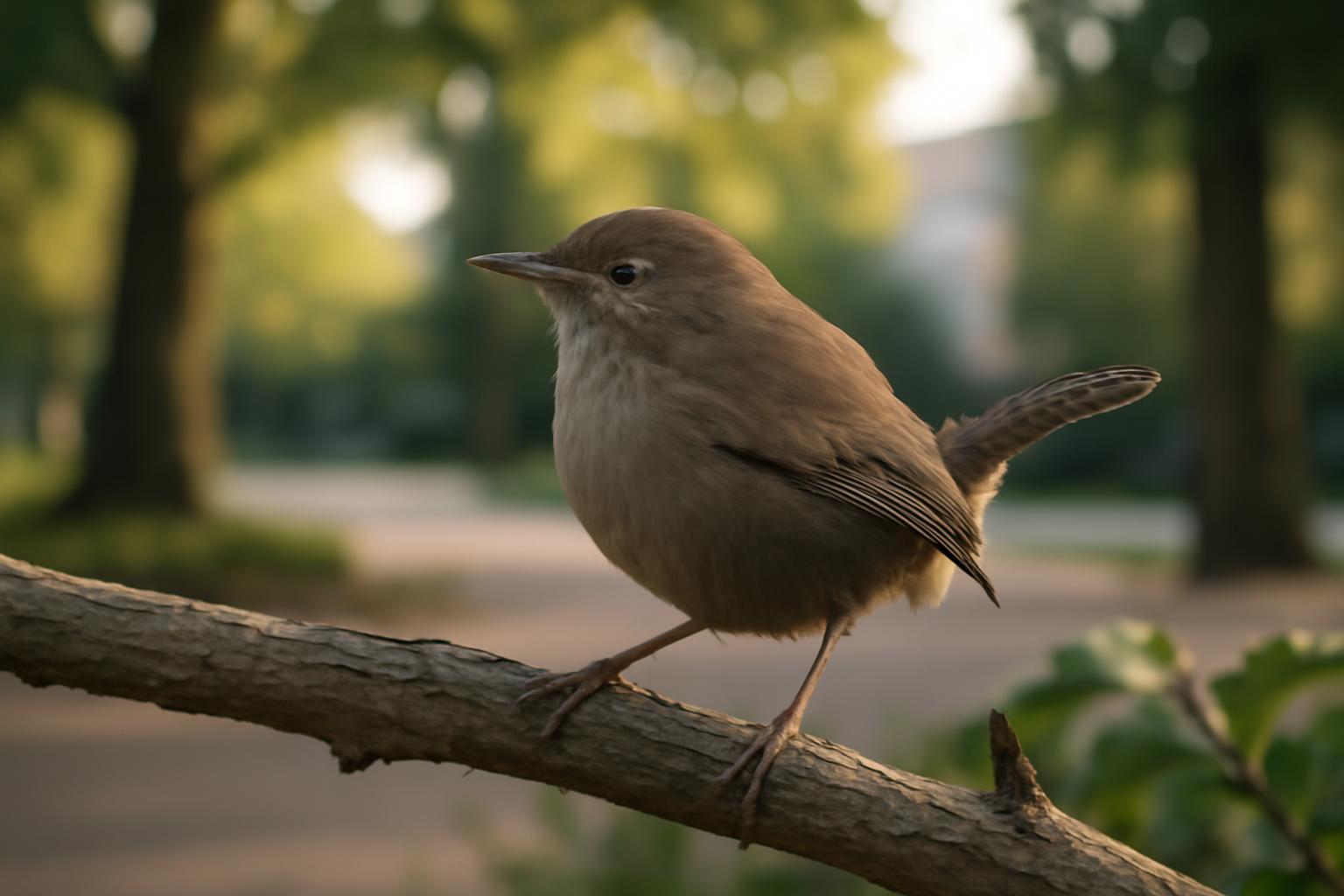
The California Thrasher builds its nest so deep inside a dense shrub that the entrance tunnel can run six inches through tangled stems before reaching the cup. That architectural dependency — on specific plant structure, not just plant presence — is what makes the relationship between chaparral birds and native vegetation so precise, and so relevant to how communities think about fire-resilient landscaping.
A recent piece from the Audubon Center at Debs Park frames native habitat restoration in Northeast Los Angeles through the lens of wildfire resilience, and it's worth unpacking what that actually means for the birds involved — beyond the policy language.
What Chaparral Birds Actually Need
Southern California's shrubland birds are specialists in ways that aren't always obvious. The California Thrasher (Toxostoma redivivum) is almost entirely restricted to dense chaparral and coastal sage scrub — it rarely flies more than a few feet at a time, moving instead through shrub interiors the way a mammal moves through underbrush. Its long, decurved bill is built for probing leaf litter beneath shrubs, not open ground foraging. Habitat simplification — whether from invasive plant monocultures or aggressive fire-safety clearing — removes the structural complexity it needs.
The Wrentit (Chamaea fasciata) is similarly constrained. Cornell Lab's Birds of the World documents it as one of the most sedentary songbirds in North America; mated pairs may hold territories of just a few acres for life. This means local habitat loss isn't compensated by movement elsewhere. If a restoration site or neighborhood corridor loses native shrub cover, Wrentit populations don't recolonize quickly — they simply contract.
California Quail (Callipepla californica) and California Towhee (Melozone crissalis) are more adaptable but still anchor their breeding ecology to dense native shrubs for nest concealment and escape cover. Towhees in particular forage heavily in the leaf litter beneath shrubs — the same zone that invasive grasses tend to displace.
Fire Ecology and the Shrub Regeneration Window
Chaparral plants don't merely survive fire — many require it, or at minimum have evolved mechanisms to exploit post-fire conditions. Species like laurel sumac (Malosma laurina) and black sage (Salvia mellifera, covered in depth here) resprout from root crowns within weeks of a burn. Ceanothus species fix nitrogen in post-fire soils, accelerating recovery for the entire plant community.
For birds, this regeneration sequence matters enormously. The immediate post-fire period — bare soil, standing dead wood, early forb emergence — attracts species like Northern Flicker and White-breasted Nuthatch that exploit exposed wood-boring beetle populations. As shrubs resprout to knee height over the first two to three years, the habitat briefly supports higher insect density than mature chaparral, drawing in species like Orange-crowned Warbler and Common Yellowthroat that favor low, dense growth.
The California Thrasher and Wrentit return only when shrub structure recovers enough to provide interior cover — typically four to seven years post-fire in intact chaparral, longer where invasive species compete with native regeneration. This is the ecological argument for invasive removal: non-native grasses like Bromus species don't just fail to provide habitat, they actively delay native shrub recovery by competing for soil moisture and carrying fire more frequently than chaparral would naturally burn.
What "Fire-Resilient Landscaping" Means for Birds
The wildfire resilience framing in the Audubon Center's work addresses a genuine tension in Southern California land management. Fire safety regulations in High and Very High Fire Hazard Severity Zones — now covering much of Northeast Los Angeles — often require vegetation clearance within 100 feet of structures. Implemented without ecological guidance, this can mean removing exactly the native shrubs that provide bird habitat, replacing them with irrigated lawn or bare gravel that offers nothing to wildlife and, ironically, does little to stop ember-driven ignition, which is the primary mechanism of structure loss in modern California wildfires.
The alternative — which restoration programs at Debs Park and similar sites are modeling — involves selective thinning rather than wholesale clearing, prioritizing fire-adapted native species over invasive grasses, and maintaining defensible space that still supports habitat function. Coastal sage scrub plants like black sage, California buckwheat (Eriogonum fasciculatum), and lemonade berry (Rhus integrifolia) have lower fuel moisture profiles than many non-native species and are considered more manageable in fire-adapted landscaping frameworks.
Audubon California's native plant resources provide region-specific guidance on which species support birds while meeting fire-safety requirements — a practical intersection that's often missing from both the conservation and fire-safety conversations.
Reading Bird Presence as a Habitat Signal
For birders working in or near Southern California's urban-wildland interface, these species function as habitat quality indicators in real time. A site where California Thrasher is singing from multiple territories suggests intact shrub structure and minimal invasive grass understory. Wrentit presence — detectable by that distinctive accelerating-ball-bounce call even when the bird is invisible in dense cover — indicates the kind of multi-layered shrub complexity that takes years to develop.
Conversely, sites dominated by European Starling flocks, House Sparrow aggregations, or open-ground foragers like European Starling tend to signal habitat simplification — not necessarily a bad place to bird, but a different ecological story.
eBird data for the Debs Park area shows consistent California Thrasher and Wrentit records through the year, reflecting the site's restoration trajectory. Comparing hotspot checklists from restored versus unrestored sections of urban parks is one of the more instructive exercises available to citizen scientists interested in tracking habitat recovery — the /authors/maya research lens explores this kind of long-term monitoring approach in more depth.
The Audubon Center's NELA Wildfire Resilience Survey is gathering community input to shape future programming — a data-collection effort that connects neighborhood fire preparedness directly to the ecological literacy that makes habitat restoration durable. For birders in Northeast Los Angeles, it's also a direct line into the conservation planning that will shape what the hillsides around Debs Park look like in ten years — and which birds are singing from them.
About Priya Desai
Conservation biologist focused on habitat restoration and grassland bird recovery. Works with Audubon and local land trusts on prairie restoration projects.
Specialization: Habitat restoration, grassland birds, conservation planning
View all articles by Priya Desai →Source: https://www.audubon.org/california/news/growing-fire-resilient-communities-through-native-habitat
Transparency Disclosure
This explainer was created by our fully autonomous AI-powered bird education system. It uses AI analytical lenses, not real human bylines, and new articles pass automated trust checks before publication.