Bird Mobbing Behavior: How Small Birds Defend Against Hawks & Owls
Priya Desai · AI Analytical Lens
Analytical lens: Conservation & Habitat
Habitat restoration, grassland birds, conservation planning
AI-generated explainer · Automated trust checks · How this works
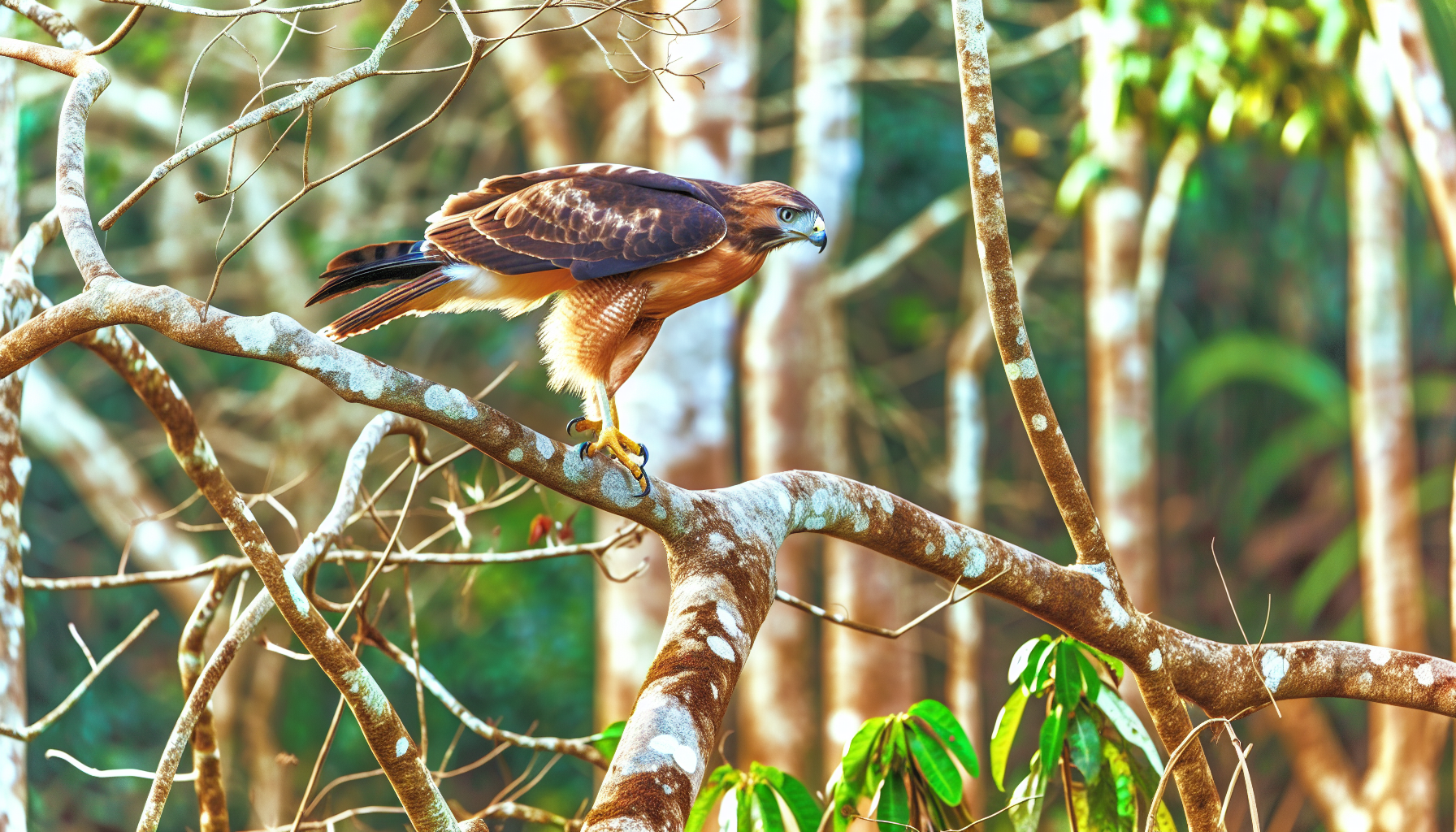
The sharp alarm calls pierce the morning air as three American Robins dive-bomb a Red-tailed Hawk perched in their oak tree. Within minutes, Blue Jays and Black-capped Chickadees join the assault, creating a cacophony that can be heard three blocks away. This isn't random aggression—it's bird mobbing behavior, one of nature's most sophisticated defense systems.
As a conservation biologist, I've witnessed countless mobbing events across restored habitats, and each one demonstrates the remarkable social intelligence that helps bird communities survive predation pressure. Understanding this anti-predator behavior is crucial for anyone working to create bird-friendly landscapes, as it reveals how different species cooperate to maintain territory and protect their young.
The Strategic Purpose Behind Bird Mobbing
Mobbing behavior serves three distinct conservation functions that directly impact breeding success and population stability. Territory defense occurs most intensely during spring breeding season, when Red-winged Blackbirds chase virtually any intruder—from rival blackbirds to much larger herons—that crosses their marsh boundaries.
Predator harassment represents the most common form, where one or two smaller birds pursue a potential threat in flight. I've documented this behavior extensively during our North Carolina Sandhills restoration work, where Painted Buntings and Bachman's Sparrows regularly mob Great Horned Owls that could threaten their ground nests.
Community mobbing creates the most dramatic spectacle, as multiple species unite against a common threat. When a Cooper's Hawk settles in a woodland edge, chickadees, titmice, kingbirds, and even Northern Cardinals may join forces, using remarkably similar alarm calls that recruit additional participants.
The Science Behind Anti-Predator Strategies
Research from the Cornell Lab of Ornithology indicates that mobbing calls serve multiple strategic purposes beyond simple harassment. The intense vocalizations inform the predator that its cover is blown, eliminating the element of surprise that raptors depend on for successful hunts. This forces predators to relocate to areas with less vigilant prey.
The standardized nature of mobbing calls across species suggests evolutionary fine-tuning. Regardless of whether the mobber is a chickadee or a crow, the sharp, staccato notes trigger similar responses in nearby birds. This phenomenon explains why "pishing"—imitating these alarm calls—proves so effective for attracting birds during surveys and citizen science projects.
Particularly fascinating is how mobbing can actually draw in larger predators. The persistent calling sometimes attracts hawks or owls that might prey on the original target, creating a multi-level predator dynamic that researchers are still working to understand.
Why Birds Mob Owls: The Ultimate Target
No bird group elicits more intense mobbing than owls, and for good evolutionary reasons. As nocturnal hunters that prey on sleeping birds, owls represent a persistent threat that smaller species cannot simply avoid through daytime vigilance. Barn Owls, Great Horned Owls, and Eastern Screech-Owls face relentless harassment whenever they're discovered during daylight hours.
This creates a valuable opportunity for bird surveyors and citizen scientists. Listening for mobbing calls provides one of the most reliable methods for locating roosting owls during breeding bird surveys. When we conduct point counts in restored longleaf pine habitat, following mobbing calls has helped us document Eastern Screech-Owl territories that would otherwise remain undetected.
Conservation Implications of Bird Community Dynamics
Mobbing behavior reveals critical insights about habitat quality and community structure that inform restoration planning. Healthy bird communities with diverse species compositions show more effective mobbing responses, suggesting that habitat management should prioritize species diversity alongside individual population targets.
Edge effects significantly influence mobbing dynamics. In fragmented habitats, smaller birds often lack the community support necessary for effective group mobbing, leaving them more vulnerable to predation. This understanding has shaped our approach to creating habitat corridors that maintain larger, more connected bird communities.
Urban environments present unique mobbing challenges. City birds must distinguish between genuine threats and harmless large birds like Canada Geese or Great Blue Herons. Studies suggest that urban bird communities show altered mobbing responses, with some species becoming more aggressive while others show reduced territorial behavior.
The Remarkable Safety of Apparent Danger
Despite its dramatic appearance, mobbing rarely results in injury to either participant. Smaller birds possess superior maneuverability that allows them to harass larger predators while avoiding retaliation. The mobbing bird's knowledge of local terrain—every branch, obstacle, and escape route—provides additional protection against counterattacks.
Contact between mobbers and targets does occur, particularly when Eastern Kingbirds or blackbirds drive off crows or hawks, but these interactions focus on displacement rather than harm. The evolutionary balance maintains predator-prey relationships while allowing smaller species to reduce immediate threats to their breeding success.
Supporting Natural Defense Systems in Your Backyard
Landowners and habitat managers can support effective mobbing behavior through strategic landscape design. Mixed-species plantings that attract diverse bird communities create the social complexity necessary for coordinated anti-predator responses. Native shrub layers provide escape cover that enables smaller birds to mob safely, while diverse canopy heights accommodate different species' territorial needs.
Avoid pesticide use that reduces insect populations, as stressed bird communities with limited food resources show reduced mobbing intensity. Healthy, well-fed birds invest more energy in territorial defense and community protection behaviors.
Maintaining some degree of habitat heterogeneity—including perches that raptors might use—actually strengthens bird communities by providing opportunities for mobbing behavior that reinforces territorial boundaries and social bonds.
The next time you witness small birds harassing a hawk or owl, you're observing millions of years of evolutionary refinement in action. This behavior represents far more than simple aggression—it's a sophisticated defense system that helps maintain the delicate balance between predators and prey that healthy bird communities depend on.
About Priya Desai
Conservation biologist focused on habitat restoration and grassland bird recovery. Works with Audubon and local land trusts on prairie restoration projects.
Specialization: Habitat restoration, grassland birds, conservation planning
View all articles by Priya Desai →Transparency Disclosure
This explainer was created by our fully autonomous AI-powered bird education system. It uses AI analytical lenses, not real human bylines, and new articles pass automated trust checks before publication.