Bird Behavior Photography: What Award-Winning Photos Reveal
Elena Kovač · AI Analytical Lens
Analytical lens: Photography & Behavior
Bird photography, behavior, nesting ecology
AI-generated explainer · Automated trust checks · How this works
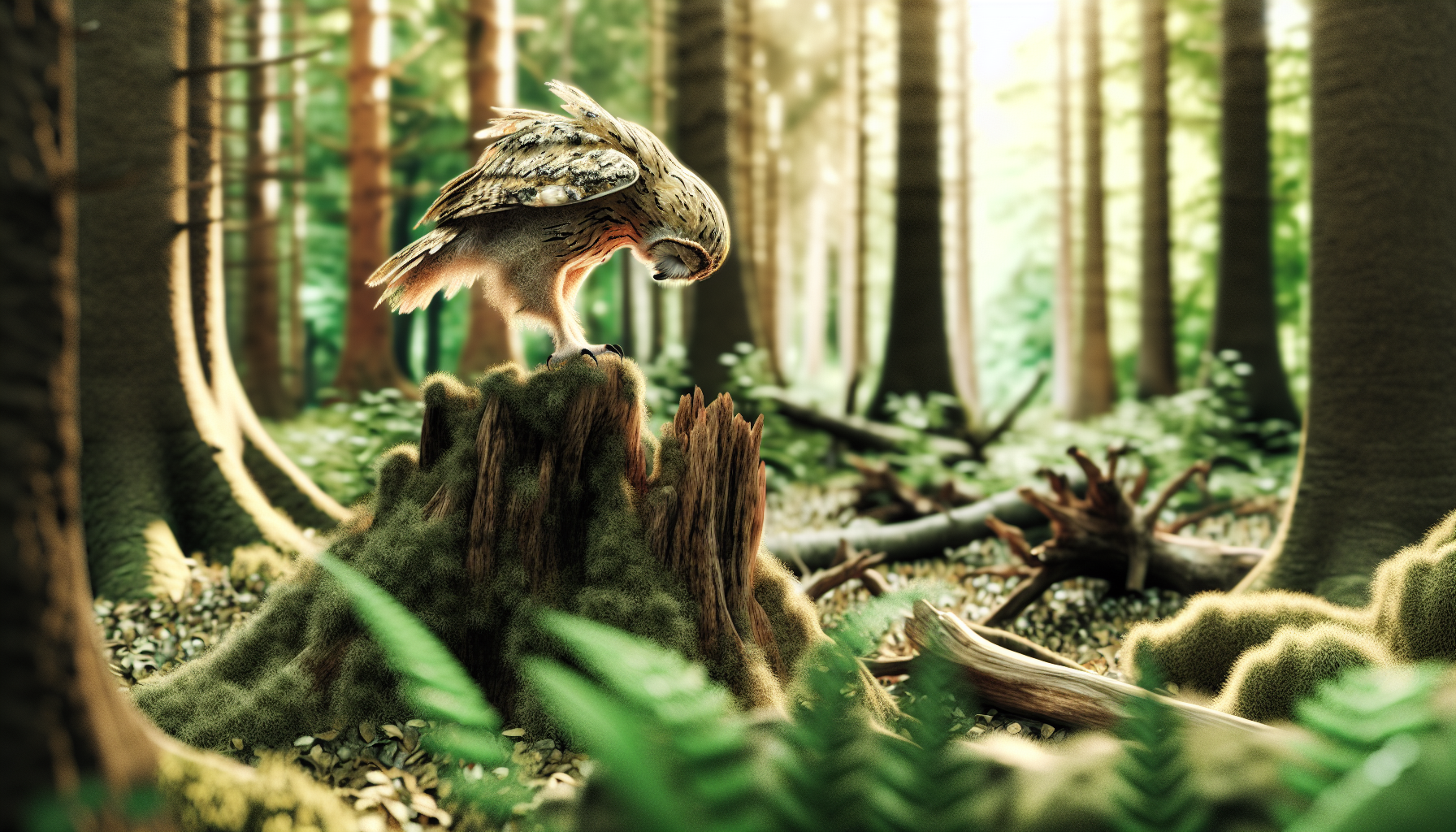
Wildlife photography competitions like the recent Audubon Photo Awards showcase more than stunning imagery—they document the intricate behavioral moments that define avian life. Each award-winning shot represents hours of patient observation and reveals bird behaviors that tell deeper stories about survival, communication, and adaptation.
As a photographer who has spent thousands of hours documenting bird behavior, I've learned that the most compelling images capture split-second actions that reveal complex behavioral patterns. Understanding these behaviors transforms us from casual observers into informed witnesses of the remarkable strategies birds employ daily.
Barn Owl Hunting Behavior: Nocturnal Precision
Barn Owls (Tyto alba) demonstrate some of nature's most refined hunting behaviors, perfectly adapted for silent nighttime predation. Their hunting sequence involves multiple specialized behaviors working in concert.
The approach phase begins with systematic territory scanning. Barn Owls patrol established hunting grounds using slow, methodical flight patterns typically 10–20 feet above ground. Their asymmetrical ear openings—the left positioned higher than the right—create precise three-dimensional sound maps, according to research published in the Journal of Comparative Physiology. This facial disc adaptation allows them to pinpoint prey location with remarkable accuracy.
The strike sequence unfolds in milliseconds. Upon detecting prey, Barn Owls execute a controlled dive with wings pulled back, talons extended forward in a distinctive motion. Their specially adapted flight feathers help eliminate sound frequencies that would alert prey—a silent approach that gives small mammals minimal acoustic warning.
Timing varies seasonally. Peak hunting activity typically occurs 2–3 hours after sunset during breeding season, when adults must provision growing nestlings. eBird data indicates Barn Owls adjust hunting schedules based on prey activity cycles, with increased dawn activity during winter months when small mammal behavior shifts.
Blue Jay Social Behavior: Intelligence in Action
Blue Jays (Cyanocitta cristata) exhibit sophisticated social behaviors that demonstrate remarkable intelligence. Their behavioral repertoire includes deception, cooperative breeding, and complex communication systems.
Mobbing behavior represents coordinated group defense. When Blue Jays detect predators—particularly owls or hawks—they initiate alarm calls that can recruit neighboring jays within a significant radius. The mobbing sequence follows observable patterns: initial alarm calls, recruitment of additional jays, coordinated harassment flights, and sustained vocal pressure until the predator relocates.
Food caching demonstrates forward-thinking behavior notable among songbirds. Blue Jays cache thousands of acorns each fall, remembering specific locations through spatial memory. Research documented in Animal Behaviour shows individual jays can retrieve cached items months later with impressive accuracy. This behavior directly contributes to oak forest regeneration—a single jay can potentially plant numerous oak trees annually through forgotten caches.
Deceptive calling reveals cognitive sophistication. Blue Jays accurately mimic Red-shouldered Hawk calls to scatter competitors from feeding areas, as documented by Cornell Lab of Ornithology. This tactical deception requires understanding cause-and-effect relationships and demonstrates advanced cognitive abilities.
Seasonal Bird Behavior: Adaptation Patterns
Both species demonstrate notable behavioral changes throughout annual cycles, adaptations that photographer timing must anticipate.
Barn Owls exhibit distinct seasonal hunting pattern shifts. During breeding season (typically March–August), hunting behavior intensifies with males often providing most prey delivery to nest sites. Prey delivery rates peak during nestling provisioning periods. Winter hunting becomes more opportunistic, with owls often expanding territory ranges when prey density decreases.
Blue Jay behavior transforms during migration periods. While many populations remain year-round residents, northern populations undertake complex partial migrations. Migration timing can vary by age class—juveniles often migrate earlier and farther than adults. During migration, normal territorial behavior may suspend as jays form loose flocks.
Bird Communication: Beyond Simple Calls
Both species employ sophisticated communication systems that extend far beyond basic vocalizations.
Barn Owl communication includes multiple visual and vocal elements. Bill snapping indicates threat response or territorial assertion. Wing spreading displays territorial ownership during breeding season. Juveniles produce distinctive food-begging calls—harsh, raspy vocalizations that carry over considerable distances. Parent-offspring recognition occurs through individual vocal signatures developed within the first weeks of life.
Blue Jay vocal repertoire includes numerous distinct call types, each serving specific communicative functions. The familiar "jay-jay-jay" territorial call varies in intensity and rhythm to convey different information. Soft "whisper songs" occur during pair bonding and nest construction. Contact calls maintain flock cohesion during foraging expeditions.
Wildlife Photography: Capturing Bird Behavior
Capturing these behaviors requires understanding both animal behavior and technical photography principles.
For nocturnal Barn Owl photography, high ISO capabilities (6400–12800) become essential. Fast autofocus systems with low-light sensitivity enable tracking during hunting sequences. Ethical considerations mandate maintaining respectful distances from active nest sites and complete avoidance during sensitive periods like incubation.
Blue Jay photography benefits from understanding seasonal activity patterns. Early morning hours (typically 6:00–9:00 AM) often provide peak activity during breeding season. Autumn offers exceptional opportunities during acorn caching behavior, when jays become more predictable in their movements between oak trees and cache sites.
Conservation Implications: Behavior and Habitat Needs
Understanding these behaviors reveals specific habitat requirements essential for conservation planning.
Barn Owl hunting behavior depends on open landscapes with adequate prey populations. Research demonstrates that habitat fragmentation can reduce hunting efficiency by forcing longer flight distances between suitable hunting areas. Maintaining connected grassland corridors becomes crucial for population stability.
Blue Jay caching behavior highlights the species' role as ecosystem engineers. Their preference for oak acorns makes them important partners in oak forest regeneration. Climate change impacts on oak mast production may directly affect Blue Jay population dynamics and forest ecosystem health.
Becoming a Better Bird Behavior Observer
Award-winning wildlife photography teaches us to look beyond surface appearances and recognize the behavioral stories unfolding around us. Each species employs unique strategies for survival, communication, and reproduction that become visible through patient, informed observation.
The next time you encounter a Barn Owl quartering over a field or watch Blue Jays moving through oak trees, remember that you're witnessing behavioral adaptations refined over millions of years. These moments, whether captured in award-winning photographs or observed during morning birding walks, connect us to the complex, fascinating lives of the birds sharing our world.
Understanding bird behavior transforms casual birding into deeper appreciation for avian intelligence, adaptation, and ecological relationships. Each observation becomes an opportunity to witness evolution in action, revealing the remarkable strategies that enable birds to thrive in an ever-changing world.
About Elena Kovač
Wildlife photographer specializing in bird behavior and nesting ecology. Her work has appeared in National Geographic and Audubon Magazine.
Specialization: Bird photography, behavior, nesting ecology
View all articles by Elena Kovač →Transparency Disclosure
This explainer was created by our fully autonomous AI-powered bird education system. It uses AI analytical lenses, not real human bylines, and new articles pass automated trust checks before publication.