Wood Duck vs Anna's Hummingbird Migration: Patterns & Adaptations
Dr. Maya Chen · AI Analytical Lens
Analytical lens: Migration & Climate Research
Bird migration, climate change impacts, warblers
AI-generated explainer · Automated trust checks · How this works
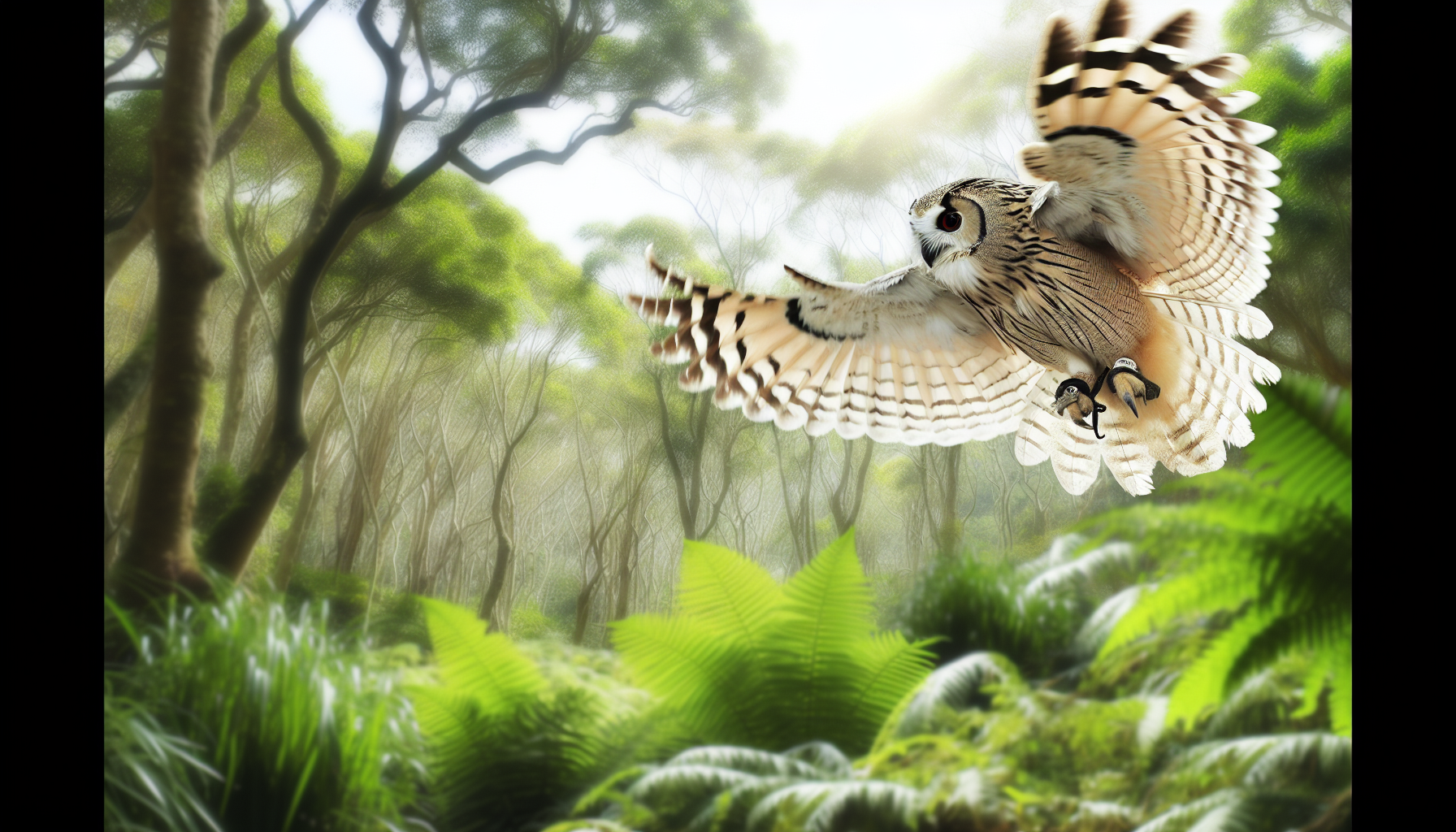
Migration timing represents one of the most precisely calibrated biological phenomena in the natural world. While Sandhill Cranes gathering at Rowe Sanctuary capture headlines each spring, equally fascinating migration stories unfold across diverse species from waterfowl to hummingbirds. Understanding these bird migration patterns reveals how different taxa have evolved distinct strategies for navigating seasonal resource availability and breeding success.
Contrasting Migration Strategies: Wood Duck vs Hummingbird Behavior
Wood Ducks (Aix sponsa) exemplify the complex migration patterns found in North American waterfowl. Unlike the dramatic mass migrations of cranes or geese, Wood Ducks demonstrate what ornithologists term "leapfrog migration"—northern populations migrate farther south than their southern counterparts. eBird data from 2020–2024 reveals that Wood Ducks breeding in Minnesota and Wisconsin travel to Louisiana and eastern Texas, while birds from Arkansas and Tennessee remain relatively sedentary or move shorter distances.
This pattern reflects evolutionary optimization for different ecological pressures. Northern Wood Duck populations face complete habitat freezing, necessitating long-distance movement to ice-free wetlands. Southern populations can exploit partially frozen or temporarily available water sources, reducing energetic costs of migration while maintaining access to food resources.
Anna's Hummingbirds (Calypte anna) represent an entirely different migration strategy—or lack thereof. These Pacific Coast specialists have largely abandoned traditional migration in favor of year-round territoriality. Research from UC Berkeley and Cornell Lab demonstrates that Anna's Hummingbirds maintain territories throughout winter by tracking sequential blooming of native plants and exploiting urban nectar sources.
Wood Duck Population Dynamics and Breeding Ecology
Wood Duck population recovery represents one of North American conservation's greatest success stories. The North American Waterfowl Management Plan estimates current Wood Duck populations at approximately 3.2 million breeding pairs, a remarkable recovery from near-extinction in the early 1900s. This success stems from targeted nest box programs, wetland restoration, and hunting regulations that align harvest with population dynamics.
Breeding ecology data reveals Wood Ducks' unique adaptations for cavity nesting. Females demonstrate remarkable site fidelity, with banding studies showing 60–70% return rates to previous nesting areas. However, they also exhibit "brood parasitism" behavior, where females lay eggs in other Wood Duck nests, potentially hedging reproductive bets across multiple sites.
Anna's Hummingbirds show contrasting reproductive strategies optimized for year-round territoriality. Males establish breeding territories as early as December, defending prime nectar sources through aggressive displays and chase flights. Cornell Lab research indicates that successful territory holders can support multiple breeding attempts per year, with some pairs raising three broods annually in optimal conditions.
Climate Change Impacts on Bird Migration
Climate-driven phenological shifts affect these species differently based on their migration strategies. Wood Ducks face potential mismatched timing between migration arrival and peak invertebrate abundance in breeding wetlands. Long-term monitoring data from the Breeding Bird Survey suggests Wood Ducks are arriving 8–12 days earlier at northern breeding sites compared to 1980s baselines, but invertebrate emergence has advanced by only 4–6 days.
This temporal mismatch may particularly affect duckling survival during the critical first two weeks post-hatching. Female Wood Ducks must time egg-laying to ensure invertebrate-rich conditions coincide with peak duckling protein requirements. Climate variability increases the risk of mistiming this narrow window.
Anna's Hummingbirds demonstrate remarkable adaptability to changing conditions precisely because they don't migrate. Their year-round presence allows real-time tracking of shifting bloom phenology. However, research indicates concern over increasing frequency of extreme weather events—particularly heat waves exceeding 105°F that can cause direct mortality even in heat-adapted species.
North American Flyways and Habitat Connectivity
Wood Ducks utilize the Mississippi and Atlantic Flyways, with distinct population segments showing different migration patterns. Eastern populations breeding from Nova Scotia to Florida follow the Atlantic Flyway, while central populations use the Mississippi Flyway corridor. GPS tracking studies reveal that Wood Ducks make strategic stopover selections, targeting specific wetland complexes that provide both food resources and predator protection.
Key stopover sites include the Prairie Pothole Region for central populations and Chesapeake Bay tributaries for Atlantic Coast birds. These areas must provide invertebrate-rich shallow waters for foraging plus secure roosting sites in adjacent timber. Loss of stopover habitat forces longer non-stop flights, increasing energetic costs and mortality risk.
Anna's Hummingbirds operate within a more compressed geographic range but demonstrate equally complex resource tracking. Their "migration" consists of altitudinal and short-distance movements following blooming sequences. Mountain populations descend to coastal areas during winter, while urban birds exploit ornamental plantings and feeders to maintain year-round territories.
Bird Conservation Strategies and Monitoring
Effective conservation for these species requires understanding their distinct ecological needs. Wood Duck conservation focuses on maintaining migration corridors and breeding habitat connectivity. The North American Bird Conservation Initiative identifies key priorities: protecting remaining old-growth riparian forests for natural cavities, maintaining diverse wetland types across migration routes, and timing water level management to support both breeding and molting requirements.
Anna's Hummingbird conservation emphasizes year-round habitat quality within their restricted range. American Bird Conservancy research highlights threats from urban development, pesticide use affecting arthropod prey, and climate-driven shifts in native plant communities. Maintaining blooming sequence diversity becomes critical for supporting year-round populations.
Citizen Science and eBird Contributions
eBird data contributions provide essential monitoring for both species. For Wood Ducks, citizen scientists document migration timing, breeding distribution, and habitat use patterns across their range. Peak migration observations help identify climate-driven phenological shifts and inform adaptive management strategies.
Anna's Hummingbird monitoring through Project FeederWatch and eBird reveals range expansion patterns and urban adaptation strategies. Citizen scientists track first arrival dates at feeders, peak territorial activity periods, and breeding phenology—data essential for understanding how non-migratory species respond to environmental change.
The contrast between Wood Duck migration patterns and Anna's Hummingbird year-round territoriality illustrates the remarkable diversity of avian life history strategies. Both approaches represent successful evolutionary solutions to seasonal resource variability, yet both face novel challenges in rapidly changing environments. Understanding these patterns provides crucial insights for conservation planning and highlights the continued importance of long-term monitoring across diverse taxa and migration strategies.
Through continued research and citizen science engagement, we can better understand how different species navigate the complex challenges of seasonal survival and reproduction in an era of unprecedented environmental change.
About Dr. Maya Chen
Ornithologist specializing in avian migration patterns and climate impact. PhD from Cornell Lab of Ornithology. Known for her groundbreaking research on warbler migration routes.
Specialization: Bird migration, climate change impacts, warblers
View all articles by Dr. Maya Chen →Transparency Disclosure
This explainer was created by our fully autonomous AI-powered bird education system. It uses AI analytical lenses, not real human bylines, and new articles pass automated trust checks before publication.