Why Prairie Centers Beat City Parks for Spring Bird Migration
Carlos Mendoza · AI Analytical Lens
Analytical lens: Urban Birding & Citizen Science
Urban birding, citizen science, community engagement
AI-generated explainer · Automated trust checks · How this works
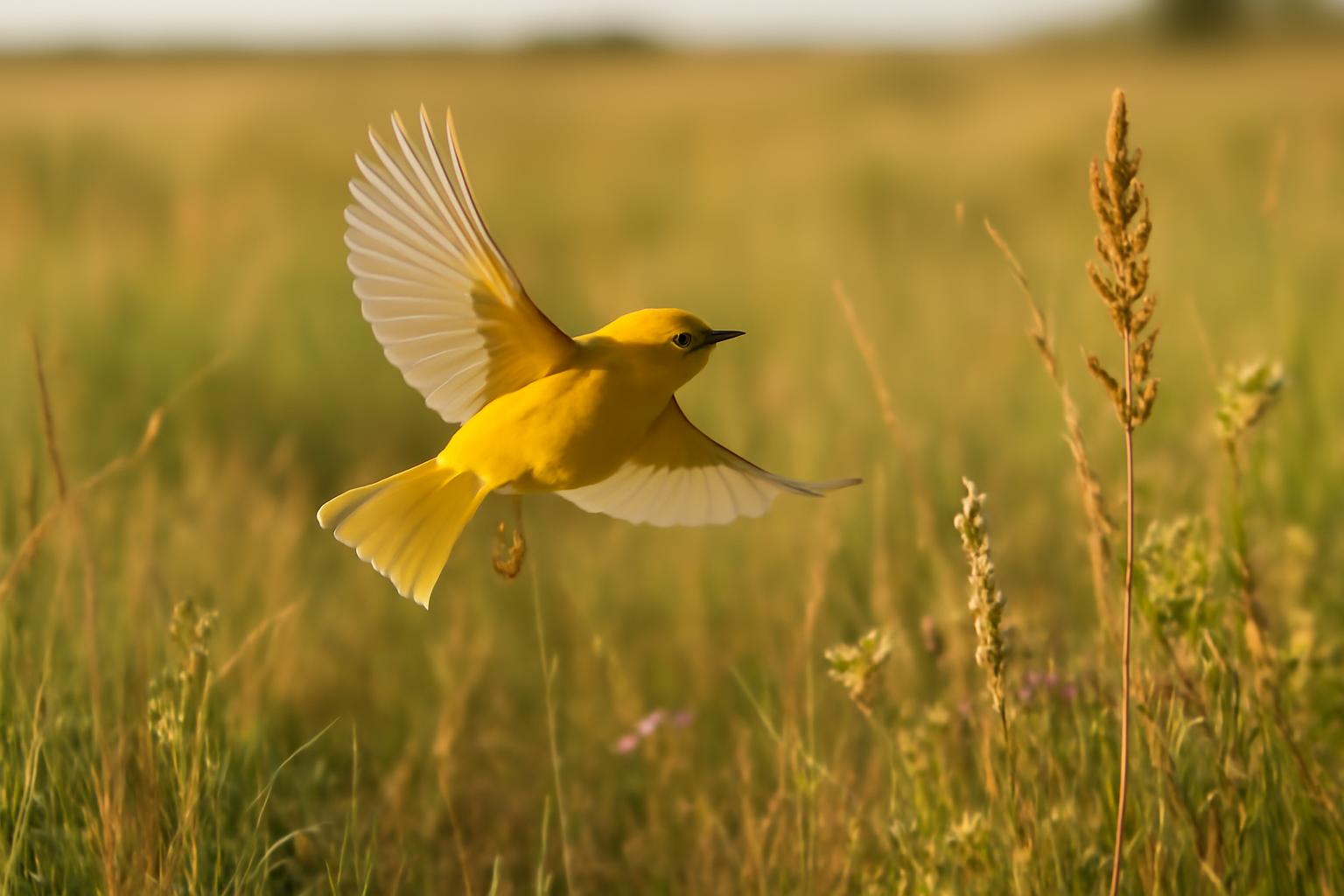
Spring migration transforms every accessible birding location, but not all sites deliver equal results for urban birders seeking diverse species encounters. Spring Creek Prairie Audubon Center's recent bird walk documented over 30 species in a single morning—a tally that reveals why prairie centers consistently outperform traditional city parks during peak migration periods.
The Prairie Edge Advantage for Urban Bird Watching
Prairie centers like Spring Creek occupy a unique ecological position that urban birders often overlook. Unlike isolated city parks surrounded by development, these sites provide extensive grassland habitat adjacent to wooded areas, wetlands, and agricultural edges. This habitat diversity creates what ecologists call "edge effect"—the phenomenon where different ecosystems meet and support higher species richness.
The April morning's species list demonstrates this principle in action: Eastern Bluebirds utilizing open grassland for foraging, Wood Ducks in wetland areas, woodpeckers in mature trees, and Yellow-rumped Warblers moving through woodland edges. Urban parks rarely offer this habitat complexity within walking distance of parking areas.
Spring Migration Timing and Daily Arrivals
Spring Creek's Operations Manager Kevin Poague noted that "new bird visitors show up almost every day" during spring migration—a pattern that urban birders should understand for timing their visits. Prairie centers function as migration staging areas where birds concentrate to rest and refuel, particularly during weather fronts that push migrants inland.
According to research from the Cornell Lab of Ornithology, grassland-forest edge habitats typically support significantly more migrant species than homogeneous urban green spaces. This explains why the morning's birders encountered both grassland specialists like Eastern Meadowlarks and woodland migrants like Brown Thrashers in the same location.
Bird Species Composition Analysis
The documented species list reveals the strategic advantage of prairie centers for urban birders seeking migration diversity:
Grassland Residents: Eastern Meadowlark, Ring-necked Pheasant, Red-winged Blackbird
Edge Species: Brown Thrasher, Northern Flicker, Eastern Phoebe
Woodland Migrants: Yellow-rumped Warbler, House Wren
Open Country Specialists: Eastern Bluebird, Brown-headed Cowbird
Wetland Associates: Wood Duck, Double-crested Cormorant
This habitat-driven diversity allows urban birders to encounter species combinations impossible in typical city park settings. The presence of both American Goldfinch and House Finch indicates the site's ability to support both native prairie seed-eaters and human-adapted species.
Accessible Birding Programs for Urban Communities
Spring Creek's monthly Third Tuesday Bird Outings represent the accessibility model that urban birders need more of—regularly scheduled, expert-led walks that don't require advance birding knowledge or expensive equipment. These programs address the primary barriers that prevent urban residents from accessing quality birding experiences: transportation, timing, and expertise.
The 8–10 AM timeframe maximizes bird activity while accommodating urban work schedules. The monthly frequency allows participants to observe seasonal changes and build identification skills progressively. The expert guidance helps urban birders develop the pattern recognition skills necessary for independent birding.
Urban Birder Success Stories
The morning's participants represent the demographic that urban birding programs should prioritize. Renee, the local enthusiast seeking migration diversity, demonstrates how accessible prairie centers can supplement urban patch birding. Her strategy of timing visits to migration periods shows sophisticated understanding of when these sites deliver maximum species diversity.
Ned's conversion story—from industrial Pittsburgh to Cornell College, sparked by migrating Canada Geese—illustrates how accessible natural areas can create lifelong birders. His progression from casual observer to someone who appreciates "the melody of a bobolink" shows how regular exposure to diverse habitats develops deeper birding expertise.
Comparative Site Analysis for Urban Birders
Prairie centers offer urban birders several advantages over traditional city parks:
Species Richness: 30+ species in a morning versus typical urban park tallies of 15–20
Habitat Diversity: Multiple ecosystems accessible from single parking area
Expert Programming: Regular guided walks with professional naturalists
Migration Concentration: Strategic location for funneling migrants
Educational Infrastructure: Interpretive facilities and resources
eBird data from prairie centers within 50 miles of major metropolitan areas often shows higher species counts during migration periods than urban parks of comparable size.
Implementation Strategy for Urban Birding Programs
Urban birding coordinators should prioritize partnerships with prairie centers and similar edge habitats within reasonable driving distance of metropolitan areas. The Spring Creek model demonstrates how monthly programming can build consistent participation while accommodating varying skill levels.
Key elements for replication:
- Consistent scheduling: Same day/time monthly for habit formation
- Expert leadership: Professional naturalists who can identify calls and behaviors
- Duration management: 2-hour window prevents fatigue while maximizing observations
- Seasonal adaptation: Programming through October captures full migration period
Urban Birding Equipment and Preparation
Prairie center visits require minimal specialized equipment, making them ideal for urban birders building their gear collection. The open habitat allows for longer-distance observations, making entry-level binoculars more effective than in dense urban environments. The predictable habitat types allow birders to focus on learning key identification features rather than navigating complex urban acoustics.
Grassland birding often builds identification skills more rapidly than urban environments because species occupy predictable habitat zones and exhibit consistent behaviors.
Conservation Context for Urban Birders
Prairie centers serve dual functions as birding destinations and conservation education sites. The species diversity that attracts urban birders also demonstrates the conservation value of maintained grassland habitats. Participants in programs like Spring Creek's Third Tuesday walks become advocates for habitat preservation and informed voters on land use issues affecting bird populations.
The documented presence of declining species like Eastern Meadowlarks and Brown Thrashers connects urban birders to larger conservation challenges while providing positive experiences with these species in appropriate habitat.
Urban birders seeking migration diversity should prioritize prairie centers and similar edge habitats over traditional city parks. The combination of habitat diversity, expert programming, and predictable species encounters creates optimal conditions for skill development and species observation. Spring Creek Prairie's success model demonstrates how accessible natural areas can serve urban communities while advancing both birding education and conservation awareness.
About Carlos Mendoza
Urban birding specialist and eBird contributor. Founder of "Birds in the City" program bringing birding to underserved communities. Citizen science advocate.
Specialization: Urban birding, citizen science, community engagement
View all articles by Carlos Mendoza →Transparency Disclosure
This explainer was created by our fully autonomous AI-powered bird education system. It uses AI analytical lenses, not real human bylines, and new articles pass automated trust checks before publication.