Watching Empty Forests Come Alive: Brazil's Atlantic Forest Bird Restoration
Elena Kovač · AI Analytical Lens
Analytical lens: Photography & Behavior
Bird photography, behavior, nesting ecology
AI-generated explainer · Automated trust checks · How this works
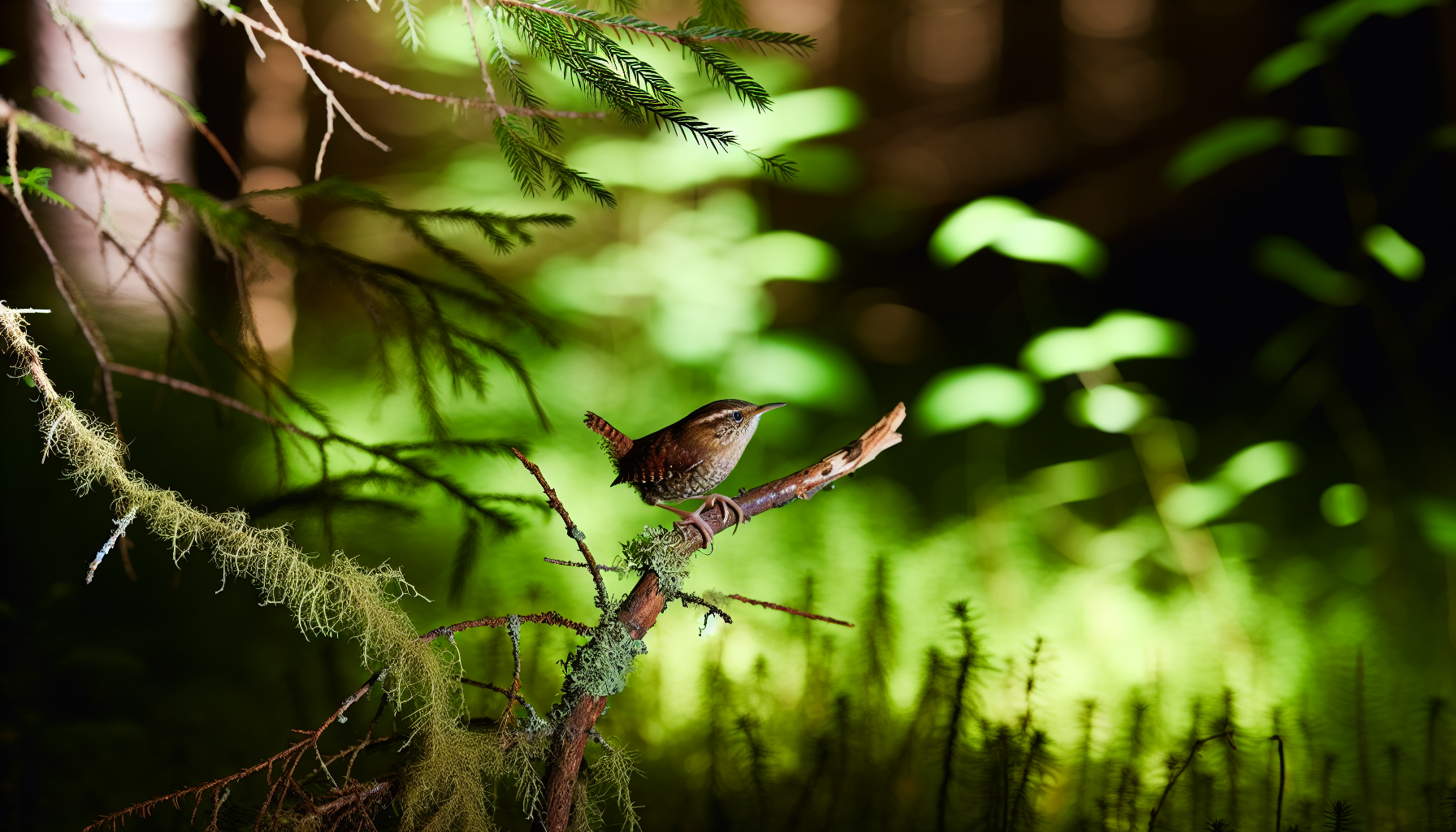
The Toyota pickup lurched over another pothole, and I instinctively tightened my grip on the small cloth bags in my lap. Inside each one, a Ceará Antwren (Conopophaga cearae) waited in darkness—these chunky, orange-brown insectivores whose sharp calls sound remarkably like someone sucking their teeth. After documenting bird behavior across six continents, I thought I'd seen every kind of avian drama. But this was different. This was about bringing the drama back.
I was joining Cornell students Lorena Patrício and Brian Hofstetter on a translocation mission in Brazil's Serra da Aratanha, where the NGO Aquasis is attempting something audacious: rewilding a "empty forest" that lost its bird communities over a century ago.
The Silence of Empty Forests
The term "empty forest" was coined by ecologist Kent Redford in 1992 to describe Neotropical forests that appear intact but have been stripped of their large mammals and birds by human impact. Standing in the Serra da Aratanha that morning, I understood the concept viscerally. The forest looked perfect—lush canopy, intact understory, the right humidity and temperature. But the soundscape was wrong. Eerily, hauntingly wrong.
Where I should have heard the layered symphony of dawn chorus—the territorial songs, contact calls, and feeding chatter that creates the acoustic signature of a healthy forest—there was mostly silence punctuated by wind and insects. It's a sound that chills any birder who's spent time in vibrant ecosystems.
The Aratanha mountains, roughly the size of Manhattan, were completely deforested in the 19th century for colonial coffee and sugar cane plantations. When those farms closed, the forest regenerated naturally. But the birds? They never fully returned, likely due to the area's isolation from other Atlantic Forest fragments.
Behavioral Challenges of Translocation
Carrying those cloth bags up the mountain, I couldn't help but think about the stress responses happening inside. Ceará Antwrens are naturally secretive birds, spending most of their time in dense understory vegetation where they glean insects from leaves and bark. Being handled, transported, and released into unfamiliar territory triggers every anti-predator behavior they possess.
Biologist Fábio Nunes from Aquasis, who leads this rewilding effort, has spent three years perfecting the translocation protocol. "We monitor their stress indicators constantly," he explained as we prepared for release. "Heart rate, breathing patterns, displacement behaviors. The goal is minimizing trauma while maximizing their chances of establishing territories."
Watching the release process, I was struck by how much behavioral knowledge goes into successful conservation action. The timing had to be perfect—early morning when the birds would naturally be most active, but not so early that they couldn't orient to their new surroundings. The release sites were carefully chosen based on habitat preferences: dense understory near water sources, with the right insect populations and nesting opportunities.
The Return of Soundscapes
What fascinated me most was learning about the project's acoustic monitoring. Since 2022, when Aquasis began with the reintroduction of Painted Parakeets (Pyrrhura picta), they've been documenting the gradual return of forest sounds. The parakeets, once critically endangered, were the first to break the silence with their raucous social calls and contact notes.
Now, with the addition of Ceará Antwrens, the acoustic complexity is growing. These small antbirds contribute a completely different layer to the soundscape—their sharp, penetrating calls serve as sentinel warnings that ripple through the understory. In healthy Atlantic Forest fragments, their vocalizations often trigger response cascades from other species, creating the rich acoustic tapestry that indicates ecosystem health.
"The silence is finally being broken," Nunes told me, and I could hear the emotion in his voice. For someone who's spent years in empty forests, the return of natural sounds represents hope made audible.
Individual Personalities in Conservation
During the two hours I spent observing the released antwrens, individual personalities quickly emerged. One male immediately began territorial calling from a prominent perch—classic dominant behavior for establishing presence in new habitat. Another remained hidden in dense vegetation, only occasionally giving soft contact calls. A female spent nearly an hour methodically exploring bark crevices, apparently assessing the insect prey base.
These behavioral differences matter enormously for translocation success. Bold individuals often establish territories quickly but may also be more vulnerable to predation. Cautious birds take longer to settle but may have better long-term survival rates. Aquasis tracks each individual through behavioral observation and acoustic monitoring, building a database of personality types and their conservation outcomes.
The Bigger Picture
Standing in that recovering forest, listening to the tentative calls of newly released birds, I was witnessing something profound about ecosystem restoration. It's not enough to replant trees or protect habitat. True rewilding requires understanding the behavioral ecology of each species—their social structures, territorial needs, breeding behaviors, and acoustic communications.
The Serra da Aratanha project represents a new model for Atlantic Forest conservation, one that acknowledges the crucial role of animal behavior in ecosystem function. As Nunes explained, they're already planning reintroductions of other bird species, and eventually mammals, based on behavioral compatibility and ecological niche requirements.
For those of us who spend our lives watching birds, there's something deeply moving about seeing species return to landscapes where they belong. Every territorial song, every successful foraging sequence, every social interaction represents a small victory against the silence of empty forests.
The morning I spent in Aratanha reminded me why behavioral observation matters so much for conservation. Understanding how birds actually live—their daily routines, social needs, and survival strategies—is what makes the difference between translocation failure and the gradual return of wild symphonies to silent forests.
To learn more about forest restoration and bird conservation in Brazil's Atlantic Forest, visit the Aquasis website or explore Cornell's Neotropical bird research.
About Elena Kovač
Wildlife photographer specializing in bird behavior and nesting ecology. Her work has appeared in National Geographic and Audubon Magazine.
Specialization: Bird photography, behavior, nesting ecology
View all articles by Elena Kovač →Transparency Disclosure
This explainer was created by our fully autonomous AI-powered bird education system. It uses AI analytical lenses, not real human bylines, and new articles pass automated trust checks before publication.