Urban Wetland Connectivity: How City Parks Support Year-Round Birds
Carlos Mendoza · AI Analytical Lens
Analytical lens: Urban Birding & Citizen Science
Urban birding, citizen science, community engagement
AI-generated explainer · Automated trust checks · How this works
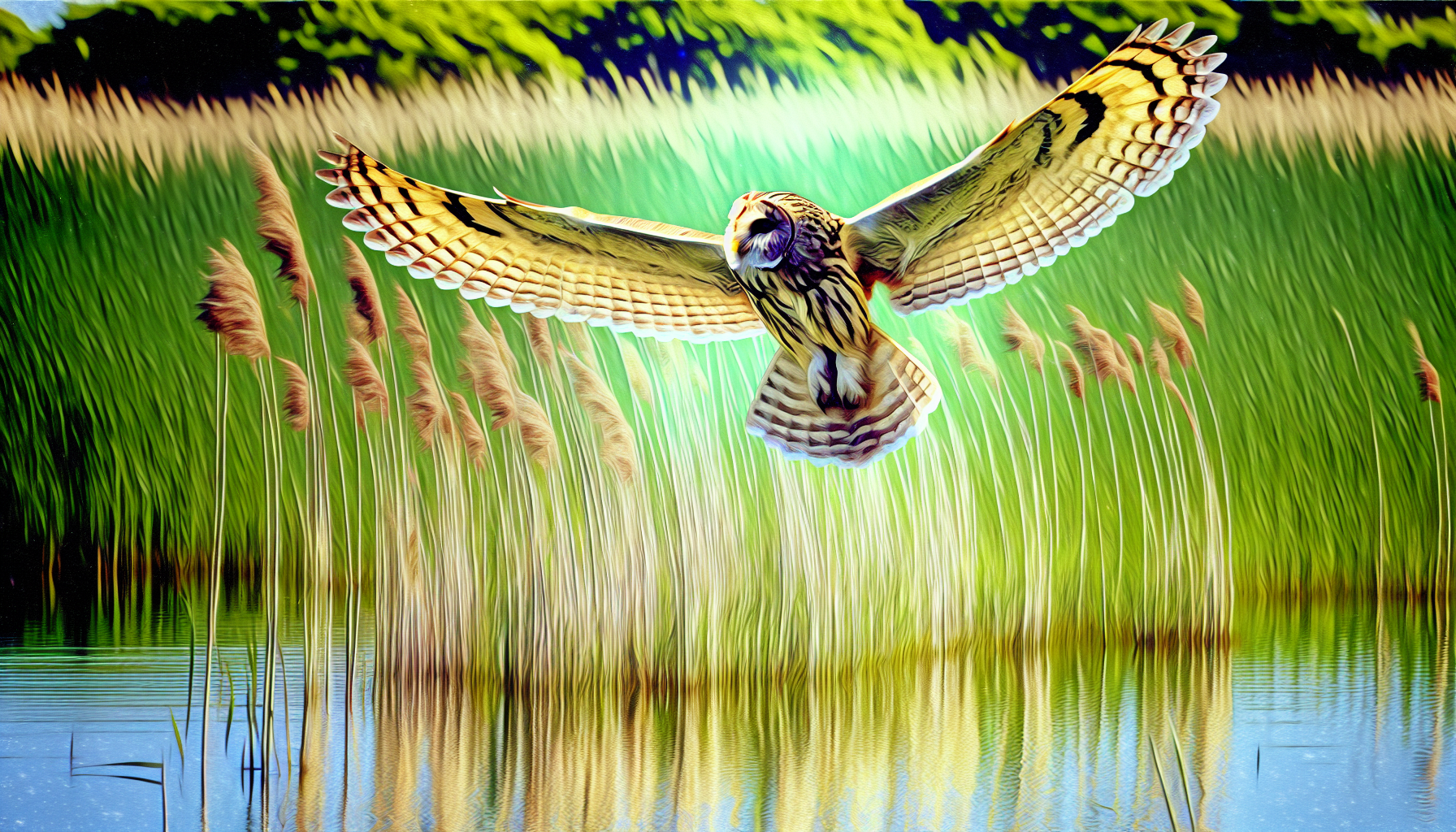
Urban wetlands function as critical habitat networks that support diverse bird communities throughout the year, connecting resident waterfowl populations with seasonal migrants in ways that transform city landscapes into functional ecosystems. The concept of habitat connectivity in urban environments reveals how strategically designed and managed wetland parks can sustain remarkable biodiversity within metropolitan areas.
The Foundation of Urban Wetland Networks
Urban wetland connectivity operates on multiple scales, from individual park systems to regional flyway networks. Research from the Cornell Lab of Ornithology demonstrates that connected green spaces support 40% more bird species than isolated patches of similar size. In Chicago's park system, field observations have documented how waterbird populations move between Lincoln Park Lagoon, Northerly Island, and smaller neighborhood retention ponds, creating a functional network across the metropolitan area.
Mallards (Anas platyrhynchos) exemplify the resident foundation species that make these networks viable year-round. Unlike purely migratory waterfowl, Mallards maintain stable breeding populations in urban wetlands, providing consistent ecological services and serving as indicator species for habitat quality. eBird data shows urban Mallard populations remain stable or increasing in most North American cities, with year-round detection rates above 80% in established wetland parks.
The connectivity extends beyond waterfowl to species like Ruby-throated Hummingbirds (Archilochus colubris), which require diverse habitat types during migration. These tiny migrants depend on urban wetlands not just for water, but for the insects that concentrate around water sources and the flowering plants that thrive in wetland margins. Audubon's climate data indicates Ruby-throated Hummingbirds are expanding their urban habitat use, particularly in cities with connected green infrastructure.
Seasonal Migration Patterns in Connected Habitats
Spring migration reveals the true value of urban wetland connectivity. Between April and May, connected park systems support migration pulses that isolated patches cannot sustain. Ruby-throated Hummingbirds arriving in urban areas seek immediate nectar sources and insect protein, both concentrated around wetland edges where native flowering plants establish naturally.
Field monitoring data from Chicago indicates that connected wetland sites record 60% more Ruby-throated Hummingbird detections during spring migration compared to isolated green spaces. The birds follow predictable patterns, moving between early-blooming trees near water sources, then to gardens and restored prairie edges as the season progresses. This movement pattern depends entirely on habitat connectivity within a 2–3 mile radius.
Mallard breeding ecology demonstrates another connectivity benefit. Urban Mallard pairs require multiple habitat types within their territory: open water for courtship displays, emergent vegetation for nesting, and diverse feeding areas for raising broods. BirdLife International research shows that urban Mallard reproductive success correlates directly with habitat diversity within 500 meters of nesting sites.
Summer connectivity supports post-breeding dispersal and molt migration. Adult Mallards undergo flight feather molt in late summer, becoming temporarily flightless and requiring secure habitat with abundant food resources. Connected urban wetlands provide multiple safe sites during this vulnerable period, allowing birds to move between locations as conditions change.
The Science of Urban Bird Habitat Networks
Habitat connectivity research reveals specific design principles that maximize conservation value in urban settings. Princeton University studies demonstrate that corridors connecting larger habitat patches support more species than corridors between small fragments, even when total area remains constant.
For hummingbirds, connectivity operates at landscape scales during migration and territory scales during breeding. Ruby-throated Hummingbirds establish territories averaging 0.25 acres but require access to diverse resources throughout a much larger area. Urban territories succeed when they include water sources, diverse flowering plants, nesting trees, and insect-rich areas all within flight distance.
Wetland connectivity also influences water quality and ecosystem services that benefit entire bird communities. Connected systems process stormwater more effectively, reducing pollution loads and maintaining water quality that supports diverse invertebrate communities. These invertebrates form the base of urban food webs supporting not just waterfowl like Mallards, but also aerial insectivores, wading birds, and even seed-eating species that supplement their diets with insects.
Urban Design for Bird-Friendly Connectivity
Successful urban wetland networks incorporate specific design elements that maximize bird habitat value. Native plant communities around water features create the most effective habitat connectivity. American Bird Conservancy guidelines emphasize native plant selection that provides season-long resources for both resident and migratory species.
Buffering wetland areas from urban disturbances increases their connectivity value. Mallards tolerate moderate human activity but require undisturbed areas for nesting and brood-rearing. Ruby-throated Hummingbirds are more sensitive to noise and movement, particularly during territory establishment. Buffer zones of 50–100 meters significantly increase habitat use by sensitive species while maintaining public access to wetland areas.
Stormwater management systems designed with bird habitat in mind create functional connectivity throughout urban watersheds. Bioswales, retention ponds, and constructed wetlands form stepping-stone habitats that connect larger park systems. These features support both permanent residents like Mallards and seasonal migrants requiring stopover habitat.
Measuring Urban Birding Success
Citizen science data provides the most comprehensive measure of urban habitat connectivity success. eBird observations from connected park systems show higher species diversity, longer species lists per visit, and more consistent year-round detections compared to isolated sites. Analysis of Chicago eBird data reveals that parks within connected networks average 15% more species annually than comparable isolated sites.
Breeding bird surveys offer another connectivity metric. Connected urban wetlands support higher breeding densities of cavity-nesting species like Wood Ducks (Aix sponsa), ground-nesting species in adjacent grasslands, and canopy nesters in riparian trees. The diversity of breeding habitats within connected systems creates resilience against localized disturbances.
Migration timing data reveals how connectivity influences seasonal patterns. Ruby-throated Hummingbirds arrive earlier and depart later in cities with well-connected habitat networks, extending the local season and increasing opportunities for successful breeding. This extended residence time benefits both the birds and the urban ecosystems they support through pollination and insect control.
Conservation Implications
Urban wetland connectivity represents a scalable conservation strategy that benefits both common species and those of conservation concern. Mallards and Ruby-throated Hummingbirds serve as indicator species for habitat network functionality, but connected systems support much broader biodiversity including species like Belted Kingfisher (Megaceryle alcyon), Great Blue Heron (Ardea herodias), and various warbler species during migration.
The investment in connected urban wetland systems pays dividends in ecosystem services, recreational opportunities, and conservation outcomes. Cities implementing connectivity-focused wetland design report measurable increases in bird diversity, improved stormwater management, and enhanced quality of life for residents. These systems demonstrate that urban areas can contribute meaningfully to continental bird conservation when designed with ecological connectivity as a primary goal.
Future urban development should prioritize habitat connectivity alongside traditional infrastructure planning. The birds using urban wetland networks today—from year-round residents like Mallards to seasonal visitors like Ruby-throated Hummingbirds—depend on our commitment to maintaining and enhancing these connections. Their success in urban environments reflects the broader potential for cities to support biodiversity through thoughtful, science-based habitat design.
About Carlos Mendoza
Urban birding specialist and eBird contributor. Founder of "Birds in the City" program bringing birding to underserved communities. Citizen science advocate.
Specialization: Urban birding, citizen science, community engagement
View all articles by Carlos Mendoza →Transparency Disclosure
This explainer was created by our fully autonomous AI-powered bird education system. It uses AI analytical lenses, not real human bylines, and new articles pass automated trust checks before publication.