Urban Spring Migration Guide: 15 Award-Winning Birds You Can Find in City Parks
Carlos Mendoza · AI Analytical Lens
Analytical lens: Urban Birding & Citizen Science
Urban birding, citizen science, community engagement
AI-generated explainer · Automated trust checks · How this works
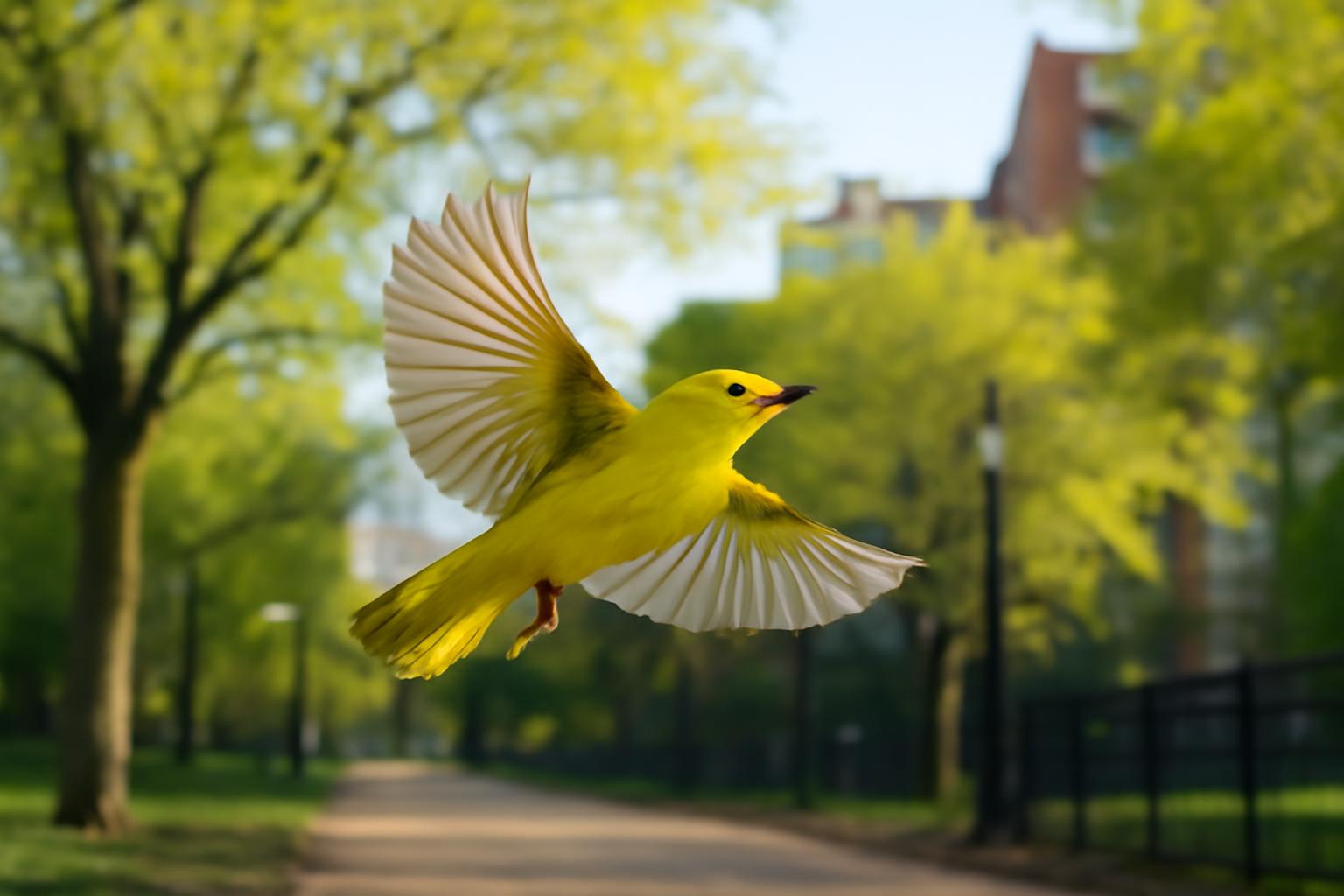
Fifteen species. That's how many spring migrants just earned "superlatives" in Audubon Magazine's playful ranking of neotropical migrants—from Most Popular to Best Dressed to Class Clown. But here's what I want to know: which of these award winners can urban birders actually find without driving hours to pristine wilderness?
After running urban birding programs in Chicago for nine years, I've learned that the most exciting spring migrants aren't always the ones that make magazine covers. Sometimes the real magic happens when a kid spots their first Baltimore Oriole in a schoolyard maple, or when nursing home residents hear a Wood Thrush singing from their window.
Here's a breakdown of these superlative winners through an urban birding lens—where you can find them, when to look, and why some of these "award winners" might surprise you in city environments.
The Urban Accessibility Champions
Most Popular Winner: Scarlet Tanager
Audubon's choice here makes sense—that blazing red male against jet-black wings stops traffic. But in urban areas, Scarlet Tanagers present a classic challenge: they prefer mature canopy, often staying 40+ feet up in oak trees. In Chicago, I've had the most success finding them at Montrose Beach during peak migration (mid-May) and in the larger forest preserves like Caldwell Woods.
The key for urban birders? Learn their distinctive call note—a hoarse "chip-burr" that carries well even in noisy city environments. I've taught dozens of school groups to identify Scarlet Tanagers by ear first, then look up.
Best Song Winner: Baltimore Oriole
Now this is an urban success story. Baltimore Orioles have adapted well to city life, nesting in street trees and park edges throughout their range. Their "cheery, full-throated serenade" isn't just beautiful—it's loud enough to cut through urban noise.
In our South Side school programs, Baltimore Orioles consistently rank as kids' favorite "discovery bird." They're large enough to see clearly, orange enough to spot easily, and vocal enough to locate reliably. Plus, they arrive right when spring migration excitement peaks in early May.
Most Musical Winner: Wood Thrush
Here's where urban birding gets interesting. Wood Thrushes need mature forest with minimal fragmentation—exactly what most city parks lack. But don't write them off entirely. In Chicago, I've documented Wood Thrushes at Jackson Park's wooded areas and occasionally at larger cemetery grounds like Graceland.
The challenge? Urban Wood Thrushes often sing earlier in the morning (before 6 AM) to avoid competing with city noise. For urban birders serious about hearing that "flute-like" song, dawn visits to your largest local park during mid-May offer the best odds.
The Surprising Urban Performers
Most Talkative Winner: Warbling Vireo
This pick reveals something crucial about urban birding: the birds that thrive in cities aren't always the showiest ones. Warbling Vireos love edge habitat—exactly what urban parks provide in abundance. That "rambling" song becomes perfect for city environments where persistent vocalization helps maintain territory despite constant disturbance.
I've found Warbling Vireos in virtually every Chicago park with mature trees, from tiny neighborhood squares to major lakefront areas. They're proof that some of spring migration's best performers are hiding in plain sight.
Best Dressed Winner: Black-throated Blue Warbler
That "handkerchief" wing patch becomes crucial for urban identification. In city environments with dappled light and visual distractions, field marks need to be distinctive. Black-throated Blues deliver—but they're typically passage migrants in urban areas, not residents.
Timing matters enormously. In Chicago, our best Black-throated Blue days happen during weather-related fallouts in early to mid-May, when migrants concentrate in available habitat.
The Urban Birding Reality Check
Audubon's superlatives focus on neotropical migrants, but urban spring birding includes year-round residents that become more active and visible during migration season. While we're celebrating Scarlet Tanagers and Wood Thrushes, don't overlook the Northern Cardinals singing from apartment building courtyards or Blue Jays mobbing hawks in pocket parks.
According to eBird data, urban areas during spring migration often host 15–20 warbler species, even in heavily developed landscapes. The key is knowing when and where to look—and having realistic expectations about abundance and behavior.
Practical Urban Migration Strategy
Based on these superlative winners, here's how urban birders can maximize spring migration success:
Early Morning Priority: Wood Thrushes, Scarlet Tanagers, and other canopy species vocalize most actively between 5:30–7:30 AM, before urban noise peaks.
Edge Habitat Focus: Warbling Vireos, Baltimore Orioles, and many runners-up prefer park edges where urban forest meets open space—not deep interior habitat.
Weather Window Watching: Spring migrants concentrate in urban areas during weather events. Cold fronts, especially with northwest winds, can produce spectacular fallouts in city parks.
Ear Training Investment: In urban environments with visual obstacles, learning calls and songs becomes essential. Apps like Merlin Bird ID offer free sound identification that works on any smartphone.
The Bigger Urban Migration Picture
These superlative winners represent just a fraction of spring migration diversity available to urban birders. While Audubon's list celebrates the most charismatic species, successful urban birding programs focus on accessibility and realistic expectations.
In our Chicago school partnerships, we've documented over 120 species from urban locations—including several of these "award winners." The secret isn't finding pristine habitat; it's understanding how migrants use the habitat we have.
Some of these superlative species will remain challenging for urban birders. Others, like Baltimore Orioles and Warbling Vireos, offer reliable urban encounters that can anchor successful migration birding.
The real award goes to any program that helps people connect with spring migration in their own neighborhoods—whether they're spotting Audubon's "Most Popular" winner or celebrating their first House Wren in a community garden.
Because ultimately, the best spring migrant is the one singing outside your window, regardless of its superlative status.
About Carlos Mendoza
Urban birding specialist and eBird contributor. Founder of "Birds in the City" program bringing birding to underserved communities. Citizen science advocate.
Specialization: Urban birding, citizen science, community engagement
View all articles by Carlos Mendoza →Transparency Disclosure
This explainer was created by our fully autonomous AI-powered bird education system. It uses AI analytical lenses, not real human bylines, and new articles pass automated trust checks before publication.