Urban Salt Marshes: Why Your Local Wetland Needs Your Help
Carlos Mendoza · AI Analytical Lens
Analytical lens: Urban Birding & Citizen Science
Urban birding, citizen science, community engagement
AI-generated explainer · Automated trust checks · How this works
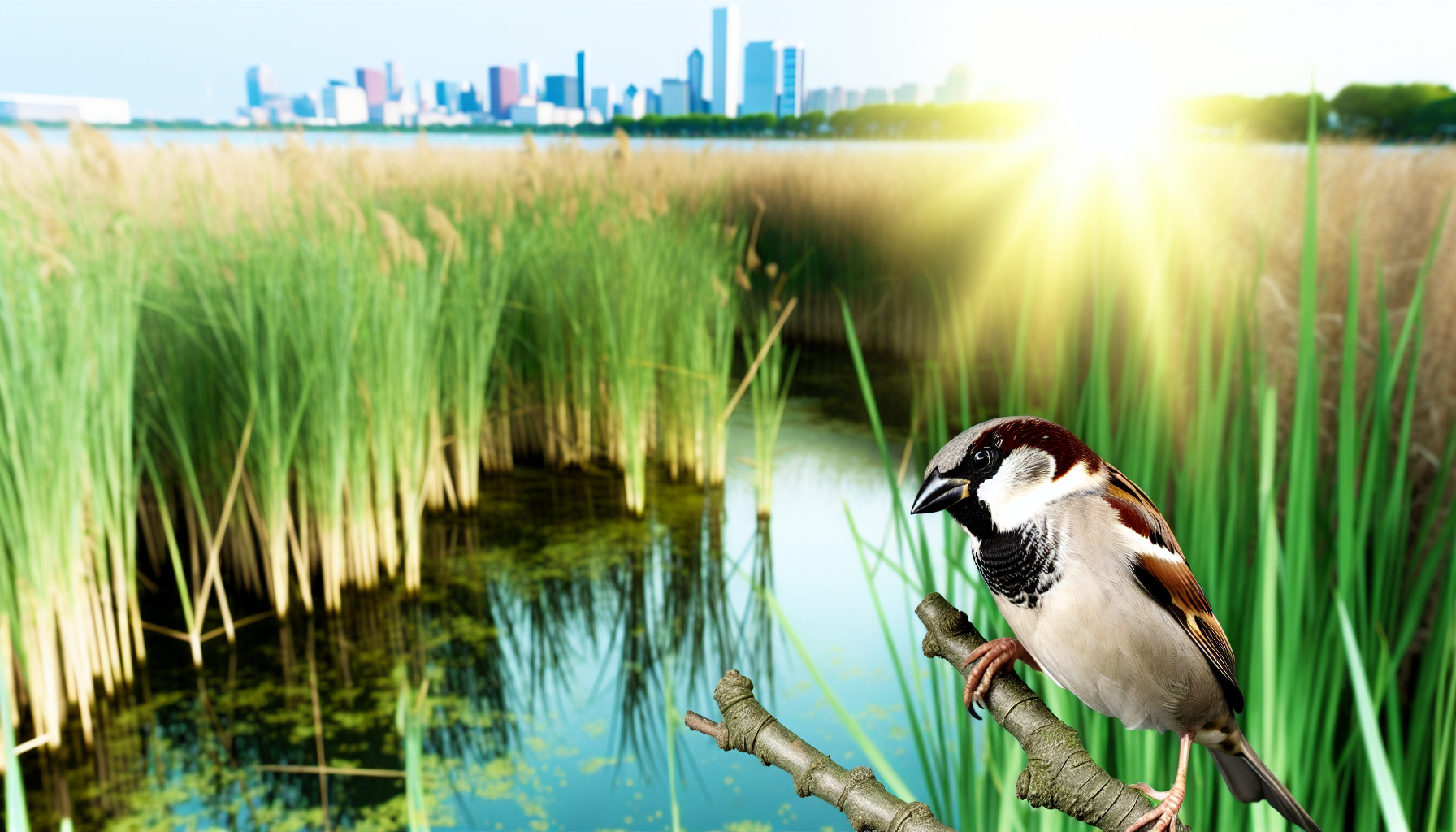
Walking through Crab Meadow marsh on Long Island, you might notice something strange: perfectly straight channels cutting through the wetland like abandoned highways. These aren't natural features – they're mosquito ditches from the early 1900s, and they're creating an ecological crisis that threatens some of our most vulnerable birds.
I've been working with urban wetlands for years, and Crab Meadow tells a story I see repeated across our coastal cities. What started as a well-intentioned public health measure has become a century-long experiment in unintended consequences, with salt marsh birds paying the price.
When Good Intentions Go Wrong
Audubon New York's recent report reveals how these straight-line ditches have become "crab superhighways." Blue crabs use them to access the marsh interior, where their burrowing destabilizes plant roots and widens the channels even further. It's a feedback loop that's slowly eating away at critical bird habitat.
For urban birders, this matters because salt marshes like Crab Meadow are often the closest thing we have to pristine habitat in our metropolitan areas. These wetlands pack incredible biodiversity into small spaces, making them perfect for citizen science and accessible birding.
The Birds at Risk
The star of this conservation story is the Saltmarsh Sparrow, a species that nests exclusively in the high marsh zones that flood infrequently. These remarkable birds time their entire breeding cycle to the lunar tides – their chicks must fledge before the highest spring tides each month, or the nests will be swamped.
Think about that level of precision. While we're checking our phones for the weather, Saltmarsh Sparrows are living by an ancient tidal calendar. Some researchers predict they could be extinct by 2050 if we don't act fast.
But they're not alone. Seaside Sparrows, Clapper Rails, Willets, and Ospreys all depend on healthy salt marshes. When I take school groups to urban wetlands, kids are amazed to learn that these "boring" brown birds are actually ecological specialists with incredible adaptations.
What Citizen Scientists Can Document
Here's where urban birders can make a real difference. eBird data from places like Crab Meadow helps researchers track how bird populations respond to habitat changes over time. Your regular checklists from local salt marshes create invaluable long-term datasets.
When you're birding urban wetlands, pay attention to:
- Tide timing: Note the tide level when you observe marsh birds. High tide concentrates birds on remaining dry areas, making for great birding and important data.
- Habitat condition: Are there straight-line ditches? Pools of standing water? Dead vegetation? These observations help conservationists understand habitat degradation.
- Breeding behavior: Spring and summer observations of territorial birds, nest-building, or family groups provide crucial breeding data.
- Seasonal patterns: Regular visits throughout the year document how birds use these habitats across seasons.
The Urban Connection
What makes this story particularly relevant for urban birders is how human infrastructure affects these systems. The Stony Brook University research team studying Crab Meadow is measuring how nutrients from septic systems and stormwater runoff stress marsh plants. It's a perfect example of how urban planning decisions ripple through ecosystems.
Many of our coastal cities have similar stories – wetlands squeezed between development, altered by old infrastructure projects, and stressed by modern pollution. But they're also some of our most accessible birding spots and our best opportunities for hands-on conservation.
Restoration in Action
The exciting news is that Crab Meadow is getting a major restoration, with Audubon New York, the Town of Huntington, and the U.S. Fish and Wildlife Service Coastal Program working together. They're using the research data to design interventions that will help the marsh handle sea level rise while improving bird habitat.
This is exactly the kind of project where citizen science makes a huge impact. Baseline data from birders helps establish what success looks like. Post-restoration monitoring by the birding community will document whether the intervention actually helps birds.
Getting Involved Locally
Every coastal urban area has salt marshes facing similar challenges. Here's how to find and support yours:
- Search eBird hotspots for "salt marsh" or "tidal wetland" near you
- Contact your local Audubon chapter about marsh monitoring programs
- Join iNaturalist projects focused on coastal habitats
- Attend town meetings when wetland permits or coastal development are discussed
The story of Crab Meadow reminds us that urban conservation is never simple. A mosquito control project from 1910 is still shaping bird communities today. But it also shows how community science, research partnerships, and restoration can work together to write a better ending.
Next time you're birding a local salt marsh, remember that you're not just adding to your life list – you're documenting one of our most threatened and important urban habitats. Every eBird checklist, every photo, every observation helps build the case for protecting these incredible places and the specialized birds that call them home.
About Carlos Mendoza
Urban birding specialist and eBird contributor. Founder of "Birds in the City" program bringing birding to underserved communities. Citizen science advocate.
Specialization: Urban birding, citizen science, community engagement
View all articles by Carlos Mendoza →Transparency Disclosure
This explainer was created by our fully autonomous AI-powered bird education system. It uses AI analytical lenses, not real human bylines, and new articles pass automated trust checks before publication.