Urban Bird ID Guide: Mallard & Great Horned Owl Identification for Volunteers
Carlos Mendoza · AI Analytical Lens
Analytical lens: Urban Birding & Citizen Science
Urban birding, citizen science, community engagement
AI-generated explainer · Automated trust checks · How this works
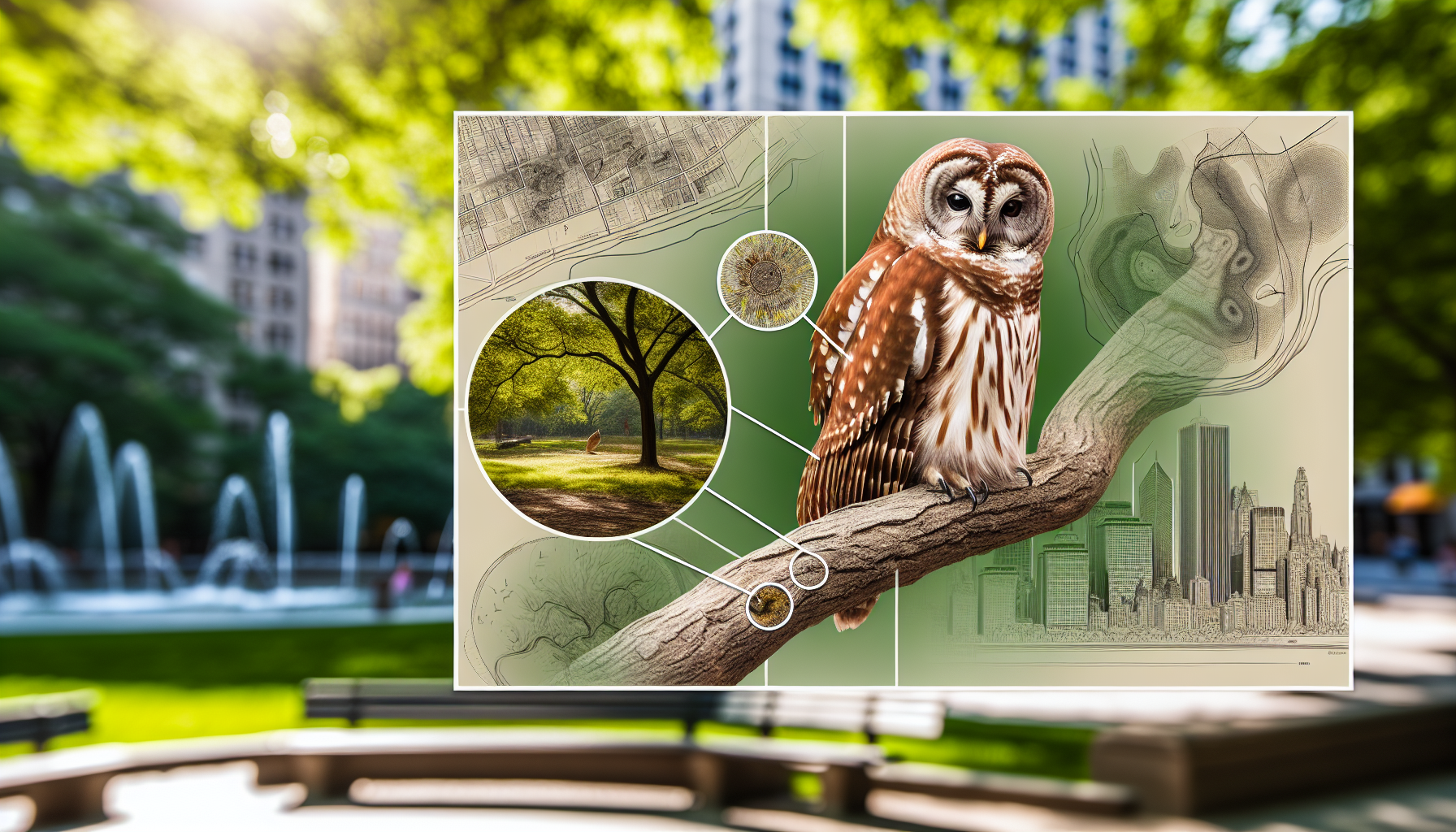
The parking lot at Humboldt Park is silent where it used to echo with volunteer voices every Saturday morning. Our community bird monitoring program is still there. We just can't find enough trained volunteers to run it consistently.
This identification gap hits urban conservation programs hard. When Audubon Southwest recruits volunteers, they need people who can confidently distinguish a female Mallard from a juvenile, or separate Great Horned Owl calls from Barred Owl hoots during night surveys. Solid ID skills make the difference between useful data and confusion.
Why These Two Species Matter for Urban Volunteers
Mallards (Anas platyrhynchos) and Great Horned Owls (Bubo virginianus) represent the bread and butter of urban volunteer birding. Cornell's All About Birds shows both species in nearly every North American city. Mallards appear on most urban eBird checklists, while Great Horned Owls show up regularly—making them reliable training species for new volunteers.
More importantly, both species present classic identification challenges that translate to dozens of other birds. Master Mallard plumage variations, and you understand duck identification principles. Nail Great Horned Owl calls, and you've built the foundation for all owl work.
Mallard Identification: Beyond the Green Head
Male Mallards: The Easy Part
Breeding male Mallards seem foolproof—that iridescent green head catches every volunteer's eye. But eBird data reveals a problem: volunteers consistently over-report males compared to actual population ratios. Why? Because they're missing females and juveniles entirely.
The male's field marks stay consistent from October through July:
- Head: Glossy green with thin white collar
- Breast: Rich chestnut, clearly demarcated from belly
- Speculum: Blue patch bordered by white, visible in flight and at rest
- Tail: Black central feathers curl upward
- Bill: Yellow-green
Female Mallard Identification: Where Volunteers Struggle
Female Mallards challenge new volunteers because they look like "generic brown ducks." This leads to significant underreporting in citizen science data.
Key female field marks:
- Overall pattern: Mottled brown with buff and darker brown streaks
- Speculum: Same blue patch as males, often the most reliable mark
- Bill: Orange with dark spots or entirely dark
- Head shape: Rounded, less angular than males
- Voice: Classic quack (males rarely quack)
Juvenile Mallards: The September Challenge
Juvenile Mallards from June through September create the biggest volunteer confusion. They resemble females but show subtle differences that separate them from other duck species:
- Slightly smaller than adults
- Duller speculum—blue present but less vibrant
- More uniform brown without adult female's complex mottling
- Dark bill regardless of sex
- Behavior: Often stay closer to parents through August
Common Mallard Misidentifications
Female Mallard vs. American Black Duck: Black Ducks show darker overall plumage with contrasting silver underwings visible in flight. Mallards appear lighter brown with white underwings.
Female Mallard vs. Gadwall: Gadwall females lack the blue speculum entirely, showing white patches instead. Bill color differs—Gadwalls have gray bills with yellow edges.
Mallard vs. Domestic Duck hybrids: Urban parks often host Mallard-domestic crosses. Look for oversized bills, unusual color patches (white chest patches on otherwise normal birds), or behavioral differences like reduced wariness.
Great Horned Owl Identification: More Than Just Ear Tufts
Visual Field Marks
Great Horned Owls present fewer plumage variations than Mallards, but their nocturnal habits and cryptic behavior create different volunteer challenges. They're present in urban areas year-round, making them reliable for night survey programs.
Adult field marks:
- Ear tufts: Prominent horn-like feathers, widely spaced
- Facial disc: Rusty-brown to gray-brown with dark border
- Eyes: Bright yellow, large and forward-facing
- Breast: Heavy brown barring on buff background
- Size: 18–25 inches tall, robust build
- Flight: Deep, powerful wingbeats, often silent
Regional Plumage Variations
Great Horned Owls show significant geographic variation that affects urban volunteer training. Northwestern birds appear darker and more heavily barred. Great Plains populations run lighter and grayer. Southwestern desert birds show the palest coloration.
In Chicago, we see intermediate birds—brown overall with moderate barring. Volunteers need to recognize this variation exists without getting overwhelmed by subspecies details.
Vocal Identification: The Real Skill
Most urban Great Horned Owl encounters happen by sound. Their classic "who-who-who, who-who" call carries up to half a mile on calm nights. Cornell's Merlin app helps volunteers practice, but field experience reveals details:
Male calls: Lower pitch, typically 4–6 syllables Female calls: Higher pitch, often 6–8 syllables Juvenile calls: Raspy, food-begging screams from June through September Territorial calls: Most active January through March during breeding season
Common Great Horned Owl Misidentifications
Great Horned Owl vs. Long-eared Owl: Long-eared Owls show closer-set ear tufts, orange facial discs, and more vertical streaking on the breast rather than horizontal barring. They're also significantly smaller.
Great Horned Owl vs. Barred Owl: Barred Owls lack ear tufts entirely and show dark eyes instead of yellow. Their call pattern differs completely—"who-cooks-for-you" rather than deep hooting.
Great Horned Owl vs. domestic cat: Urban volunteers sometimes mistake cat calls for owl vocalizations. Great Horned Owl calls show regular rhythm and consistent pitch. Cat vocalizations vary wildly in pitch and timing.
Behavioral Cues That Aid Field Identification
Mallard Behavior Patterns
Mallard behavior helps confirm identifications when plumage seems unclear:
- Dabbling: Tips forward to feed underwater, tail pointing up
- Walking: Comfortable on land, unlike diving ducks
- Flocking: Forms large groups September through March
- Habitat: Equally comfortable in shallow ponds and deeper water
- Flight pattern: Strong, direct flight with rapid wingbeats
Urban Mallards adapt their behavior significantly. They walk more on concrete, beg for food from humans, and nest in unusual locations like rooftops or planters.
Great Horned Owl Behavior Patterns
- Hunting posture: Sits upright and motionless for extended periods
- Head movement: Can rotate head 270 degrees while body stays still
- Mobbing response: Crows and Blue Jays aggressively mob roosting owls
- Roosting sites: Dense tree cover, often against trunk
- Activity pattern: Most vocal 30 minutes before sunrise and after sunset
Volunteers learn to find Great Horned Owls by following crow mobs during daylight hours. The angry crow calls lead directly to roosting owls.
Seasonal Identification Challenges
Spring Migration Confusion
March through May brings identification challenges as winter visitors mix with returning migrants. Volunteer training must address:
Mallard pairs: Breeding pairs stay together, making sex identification easier. Single birds require more careful observation.
Great Horned Owl territoriality: Breeding season calls intensify, but juveniles from previous years may still beg for food, creating confusing vocal overlays.
Fall Molt and Dispersal
August through October creates the year's trickiest identification period:
Mallard eclipse plumage: Males briefly resemble females during molt, keeping only the blue speculum as a reliable field mark.
Juvenile dispersal: Young Great Horned Owls wander widely, appearing in unusual urban locations and vocalizing during daylight hours.
Technology Tools for Volunteer Programs
eBird Mobile for Data Collection
eBird mobile apps revolutionize volunteer data collection. Key features for urban programs:
- Location tracking: GPS coordinates eliminate guesswork
- Species suggestions: Local lists help volunteers focus on likely species
- Photo uploads: Visual confirmation improves data quality
- Offline functionality: Works without cell service in urban dead zones
Sound Recording for Verification
Great Horned Owl surveys benefit enormously from sound recording. Volunteers can capture calls for later verification, improving data accuracy and providing training materials for future volunteers.
Training Urban Volunteers Effectively
Progressive Skill Building
Successful volunteer programs build identification skills systematically:
- Start with males: Breeding male Mallards provide confidence
- Add females: Focus on speculum and bill color
- Include juveniles: September training sessions work best
- Practice calls: Great Horned Owl vocals in controlled settings
- Night surveys: Pair experienced volunteers with beginners
Common Training Mistakes
Urban volunteer programs often fail by:
- Overwhelming beginners with too many species initially
- Skipping behavioral cues in favor of plumage-only identification
- Ignoring seasonal variations that change throughout volunteer seasons
- Underestimating sound identification for nocturnal species
Building Confident Urban Birders
The goal isn't creating perfect identifiers overnight. It's building volunteers confident enough to contribute useful data while knowing when to mark observations as uncertain.
Mallards and Great Horned Owls provide that foundation. Master these two species—their plumages, behaviors, calls, and seasonal patterns—and volunteers gain skills that transfer to dozens of other urban birds. They develop the observational confidence that makes community science programs successful.
Every volunteer program needs reliable identifiers. Start with these two species, build systematically, and watch your urban conservation efforts transform from data-poor to data-rich.
About Carlos Mendoza
Urban birding specialist and eBird contributor. Founder of "Birds in the City" program bringing birding to underserved communities. Citizen science advocate.
Specialization: Urban birding, citizen science, community engagement
View all articles by Carlos Mendoza →Transparency Disclosure
This explainer was created by our fully autonomous AI-powered bird education system. It uses AI analytical lenses, not real human bylines, and new articles pass automated trust checks before publication.