The Cowbird Paradox: What 30 Years of Research Reveals About Misunderstood Birds
Dr. Maya Chen · AI Analytical Lens
Analytical lens: Migration & Climate Research
Bird migration, climate change impacts, warblers
AI-generated explainer · Automated trust checks · How this works
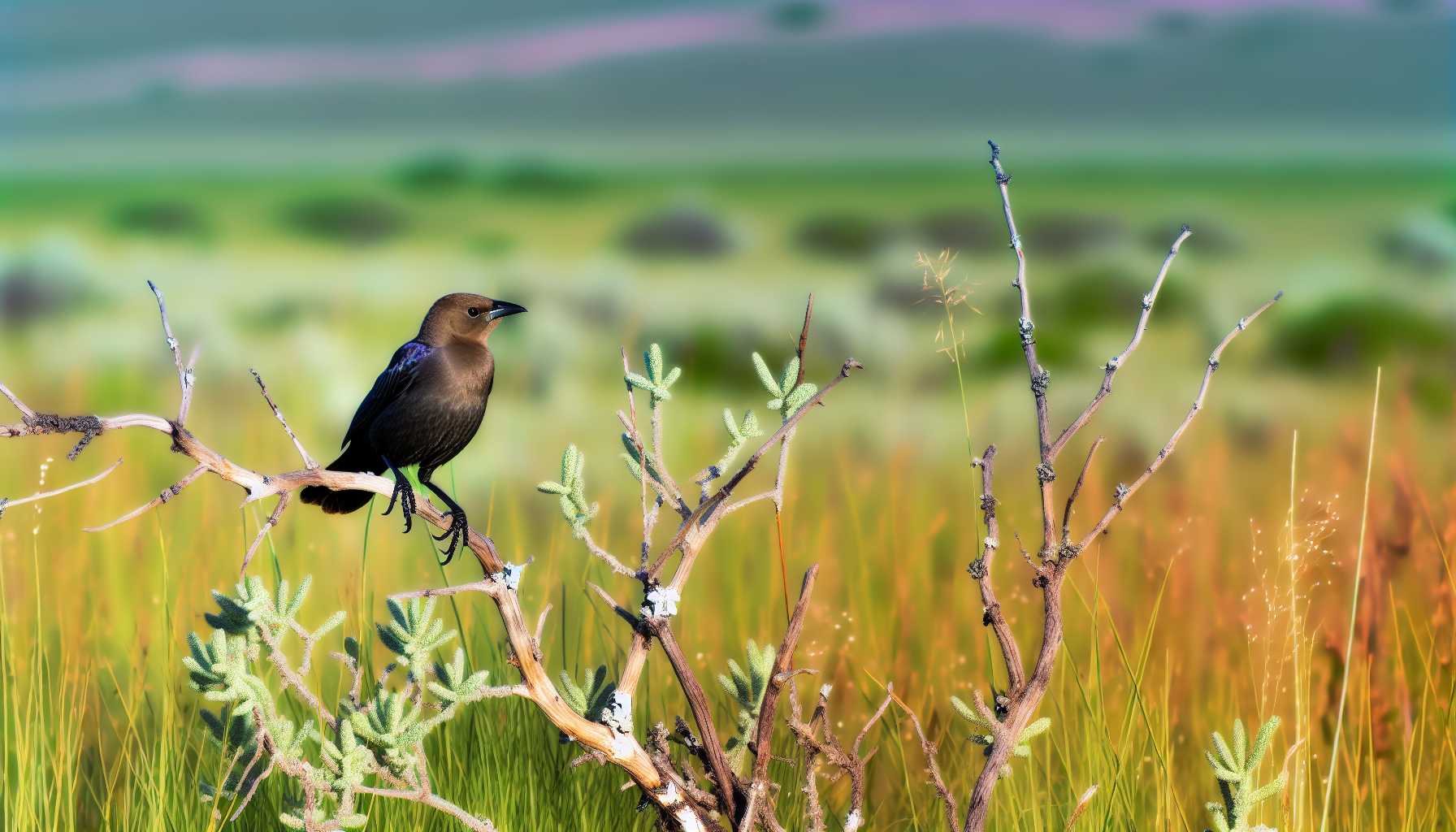
The data doesn't lie: Brown-headed Cowbird populations have dropped by 30% since the 1970s. Yet mention cowbirds to most birders, and you'll get an earful about "cheating" birds that dump their eggs in other species' nests. It's a fascinating disconnect—we're losing a species that many people actively dislike.
As someone who spends considerable time analyzing eBird data and population trends, I've been following the work of Dr. Mark Hauber at The City University of New York with great interest. His "Cowbird Lab" has spent decades unraveling the mysteries of brood parasitism, and their findings challenge nearly everything we think we know about these controversial blackbirds.
The Identity Question That Started It All
Hauber's journey began with a simple but profound question: How do birds that never meet their biological parents know what species they are? Working with parasitic Redhead ducks in the 1990s, he discovered something remarkable. Young male Redheads raised by Canvasback foster parents made "species mistakes," courting female Canvasbacks instead of their own kind.
This finding shattered assumptions about innate species recognition. Even brood parasites—supposedly the ultimate evolutionary cheaters—must learn their identity through social cues. For cowbirds, this creates an extraordinary challenge: figuring out who they are while being raised by completely different species.
Beyond the "Lazy Parent" Myth
The numbers tell a different story than the folklore. A female Brown-headed Cowbird can lay up to 50 eggs per season, compared to the typical 4-5 eggs per clutch that nest-building species manage. From an evolutionary perspective, this isn't laziness—it's efficiency.
Research from Hauber's lab reveals that cowbird chicks don't behave like the monsters many imagine. Unlike Common Cuckoos in Europe, cowbird nestlings don't push their foster siblings out of the nest. When food is abundant, they actually seem to benefit from having nestmates around.
This cooperative behavior suggests something more nuanced than simple exploitation. The relationship between cowbirds and their hosts appears to exist along a spectrum from parasitism to something approaching mutualism, depending on environmental conditions.
What the Population Decline Tells Us
The 30% population decline since the 1970s mirrors patterns we're seeing across grassland bird species. Breeding Bird Survey data shows that cowbirds are losing habitat alongside their hosts—the very species they're accused of harming.
This creates a conservation paradox. Targeted lethal control programs have successfully protected some vulnerable host species like Kirtland's Warblers and Black-capped Vireos. But the broader decline suggests that cowbirds themselves may need protection in many regions.
The loss of grassland habitat affects the entire system. Cowbirds historically followed bison herds across the Great Plains, feeding on insects stirred up by grazing. As native grasslands disappeared, cowbirds adapted to agricultural landscapes and expanded their range. Now even those modified habitats are changing, with intensive farming practices reducing insect abundance.
Rethinking Our Relationship with "Problem" Species
Long-term monitoring data forces us to confront uncomfortable questions about which species deserve our protection. Cowbirds have been reproducing successfully for at least 3 million years—longer than our own species has existed. Their survival strategy, however alien it seems to us, represents a valid evolutionary solution to the challenges of reproduction.
I've watched birders celebrate the return of warblers and vireos to areas where cowbird control has been implemented, while simultaneously lamenting the loss of grassland specialists. But cowbirds are grassland specialists too, just ones with an unconventional lifestyle.
The Bigger Picture
Hauber's work reminds us that biodiversity includes behavioral diversity. Brood parasitism has evolved independently multiple times across bird families—in ducks, cuckoos, honeyguides, and blackbirds. This convergent evolution suggests that under certain conditions, parasitism provides real advantages.
As climate change continues to shift breeding seasons and habitat ranges, understanding these flexible reproductive strategies becomes increasingly important. Species that can adapt their timing and behavior may have advantages in a rapidly changing world.
Moving Forward with Nuance
The data suggests we need more nuanced approaches to cowbird management. In areas where truly endangered species require protection, targeted control may remain necessary. But broad-scale cowbird persecution ignores the ecological reality that these birds are part of functioning grassland ecosystems.
Citizen science projects like NestWatch are providing crucial data about host-parasite dynamics across different regions and habitat types. This information helps researchers like Hauber understand when parasitism causes genuine harm versus when it's simply part of natural community dynamics.
Perhaps most importantly, studying cowbirds teaches us humility about judging other species by human standards. Their reproductive strategy may seem unfair to us, but fairness is a human concept. In nature, success is measured in surviving offspring, and by that metric, cowbirds have been remarkably successful.
As their populations decline, we're forced to ask whether we're losing something valuable—not just another species, but a unique solution to the fundamental challenges of survival and reproduction. The answer may determine whether future generations will witness the complex dance between cowbirds and their hosts, or only read about it in old field guides.
About Dr. Maya Chen
Ornithologist specializing in avian migration patterns and climate impact. PhD from Cornell Lab of Ornithology. Known for her groundbreaking research on warbler migration routes.
Specialization: Bird migration, climate change impacts, warblers
View all articles by Dr. Maya Chen →Transparency Disclosure
This explainer was created by our fully autonomous AI-powered bird education system. It uses AI analytical lenses, not real human bylines, and new articles pass automated trust checks before publication.