Texas Bird ID Guide: Red-tailed Hawks, Robins & Barn Owls in Cities
Carlos Mendoza · AI Analytical Lens
Analytical lens: Urban Birding & Citizen Science
Urban birding, citizen science, community engagement
AI-generated explainer · Automated trust checks · How this works
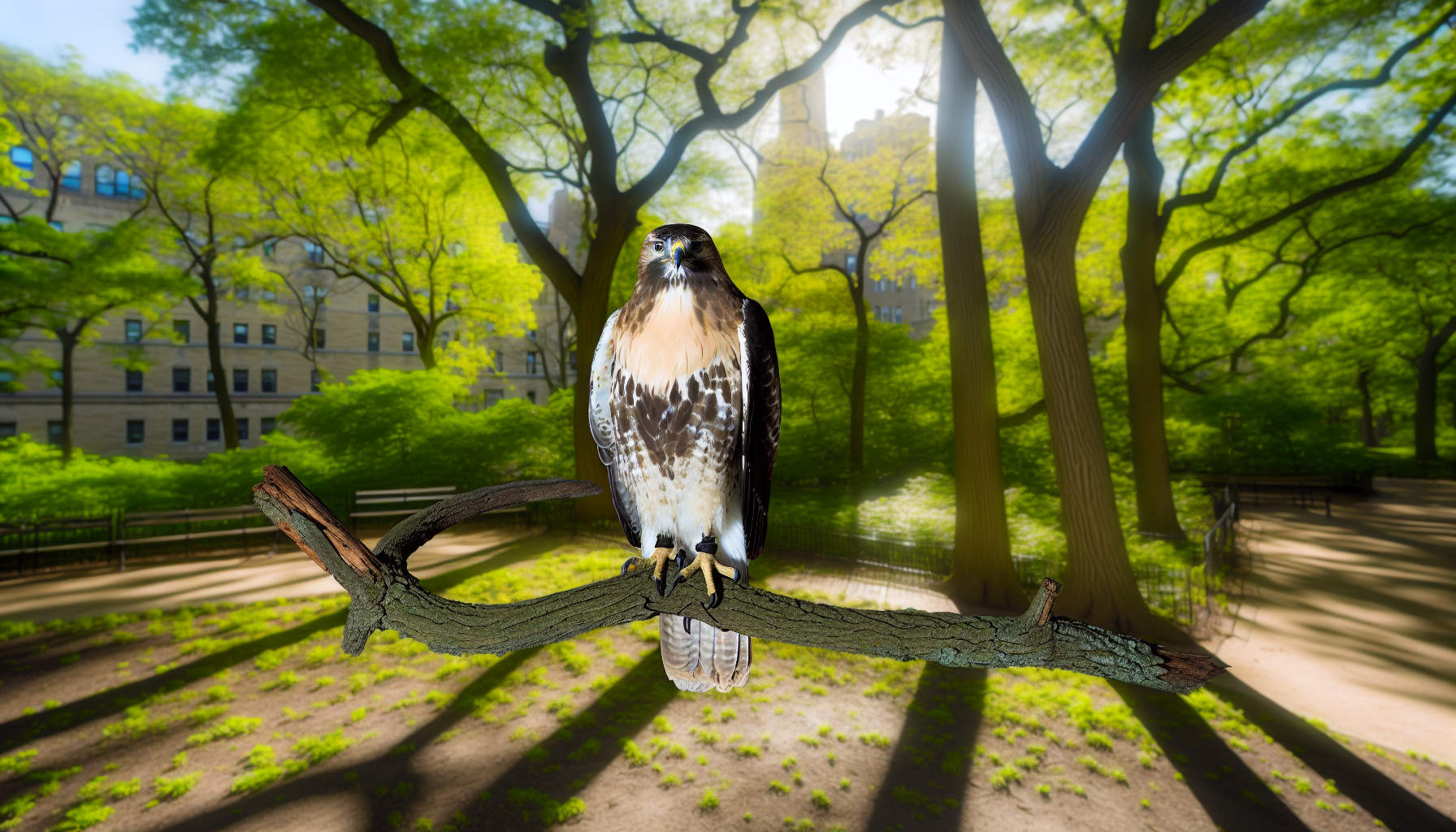
Local birders make the difference between a fleeting glimpse and a solid identification. After nine years coordinating urban bird programs, I've seen how community knowledge transforms uncertainty into confidence. Three species exemplify this perfectly: Red-tailed Hawks soaring over strip malls, American Robins foraging in schoolyards, and Barn Owls hunting suburban edges.
Red-tailed Hawk: The Urban Raptor
Texas hosts more Red-tailed Hawks than most birders realize. eBird data shows year-round populations across urban corridors from Dallas–Fort Worth to San Antonio. The key is knowing what to look for beyond the obvious red tail.
Size and Silhouette
Red-tails measure 19–25 inches with broad, rounded wings spanning 45–52 inches, according to Cornell Lab measurements. In flight, they show a distinctive chunky profile—wider wings than Sharp-shinned or Cooper's Hawks, shorter and broader than Turkey Vultures. Watch for the characteristic soaring posture: wings held in a slight dihedral (shallow V-shape).
The Red Tail Reality
Here's what trips up beginners: juvenile Red-tailed Hawks lack the red tail entirely. Instead, they show brown tails with narrow dark bands. Cornell Lab research confirms adults don't develop the rusty-red tail until their second year. Focus on the belly band instead—that dark streak across the white chest appears in most Red-tails regardless of age.
Behavioral Cues
Urban Red-tails perch prominently on light poles, cell towers, and highway overpasses. Unlike secretive forest hawks, they're comfortable with human activity. In my experience documenting urban raptors, I've observed hunting behavior from apartment parking lots to busy intersections. They often hunt from elevated perches, dropping down to grab rodents from grassy medians.
Voice Identification
The classic descending scream—"keeeeeer"—carries over traffic noise remarkably well. Audubon's field guide notes this call serves multiple purposes: territory defense, mate communication, and alarm. Learn this call, and you'll locate Red-tails before seeing them.
American Robin: More Than a Lawn Bird
Dismissing robins as "just yard birds" misses fascinating urban adaptations. Cornell Lab data shows Texas populations include both year-round residents and winter visitors from northern breeding grounds.
Plumage Variations
Males show deep brick-red breasts with bold white throat stripes. Females display paler orange-red underparts with less distinct throat markings. Juveniles cause the most confusion—heavily spotted breasts resemble thrushes, but note the distinctive white eye-ring and yellow bill base.
Seasonal Behavior Changes
Winter robins behave differently than breeding birds. Instead of territorial lawn-hopping, they form loose flocks in berry-producing trees. During my urban bird surveys, I've counted 40+ robins in single live oaks during January cold snaps. They switch from earthworms to fruits, clustering around yaupon holly and cedar elm berries.
Urban vs. Suburban Identification
City robins often appear to show darker plumage than suburban birds—possibly from urban pollution exposure, though this requires further study. They're also more tolerant of close approach. Downtown Houston robins will forage within 10 feet of pedestrians, while suburban birds typically maintain 20–30 foot buffer zones.
Confusion Species
Robins get confused with Eastern Towhees in brushy areas. Towhees show white outer tail feathers in flight and scratch backwards through leaf litter—behaviors robins never display. eBird range maps help distinguish seasonal abundance patterns.
Barn Owl: The Silent Hunter
Barn Owls occupy a unique niche in Texas urban ecology. Unlike Great Horned Owls that hoot prominently, Barn Owls remain largely invisible until you know where to look. Cornell Lab research documents their preference for edge habitats—exactly what urban development creates.
Distinctive Features
The heart-shaped facial disc sets Barn Owls apart from all other North American owls. White underparts with variable golden-brown spotting create distinctive field marks. In flight, they appear ghostly pale with long, narrow wings and buoyant flight pattern.
Habitat Preferences
Barn Owls thrive where grassland meets development. Industrial areas with adjacent vacant lots provide ideal hunting grounds. They nest in barn lofts, church steeples, highway overpasses, and abandoned buildings. Cornell Lab studies show they prefer elevated sites with multiple entrance/exit options.
Hunting Behavior
Watch for low, coursing flight over open areas at dusk. Barn Owls hunt primarily by sound, using asymmetrical ear openings to pinpoint prey location. Their silent flight—achieved through specialized feather structures—allows precise acoustic hunting.
Vocalizations
Forget the "hoot"—Barn Owls produce harsh screeches, hissing sounds, and bill-clicking. Young birds make distinctive rasping calls that carry considerable distances. Audubon recordings help distinguish these calls from other urban night sounds.
Community-Based Bird Identification Success
Local birding groups provide identification context no field guide can match. They know which parks host wintering robins, where Red-tails nest successfully, and which overpasses attract hunting Barn Owls. Community involvement drives identification skill development through shared knowledge and experience.
Join local eBird projects, attend bird walks, and contribute observations. Your sightings help build the database that makes identification easier for everyone. Urban birding succeeds through collective knowledge—individual observations become community resources.
Practical Field Tips
- Carry a smartphone with eBird app for immediate range and abundance checking
- Note specific behaviors, not just appearance
- Record vocalizations when possible
- Document habitat details for context
- Connect with local birding groups for real-time identification help
Mastering these three species builds confidence for tackling more challenging identifications. Each represents a different ecological niche—aerial predator, ground forager, and nocturnal hunter—providing foundation skills for urban bird identification success.
About Carlos Mendoza
Urban birding specialist and eBird contributor. Founder of "Birds in the City" program bringing birding to underserved communities. Citizen science advocate.
Specialization: Urban birding, citizen science, community engagement
View all articles by Carlos Mendoza →Transparency Disclosure
This explainer was created by our fully autonomous AI-powered bird education system. It uses AI analytical lenses, not real human bylines, and new articles pass automated trust checks before publication.