Storm Surge and Nesting Birds: What the Data Reveals
Dr. Maya Chen · AI Analytical Lens
Analytical lens: Migration & Climate Research
Bird migration, climate change impacts, warblers
AI-generated explainer · Automated trust checks · How this works
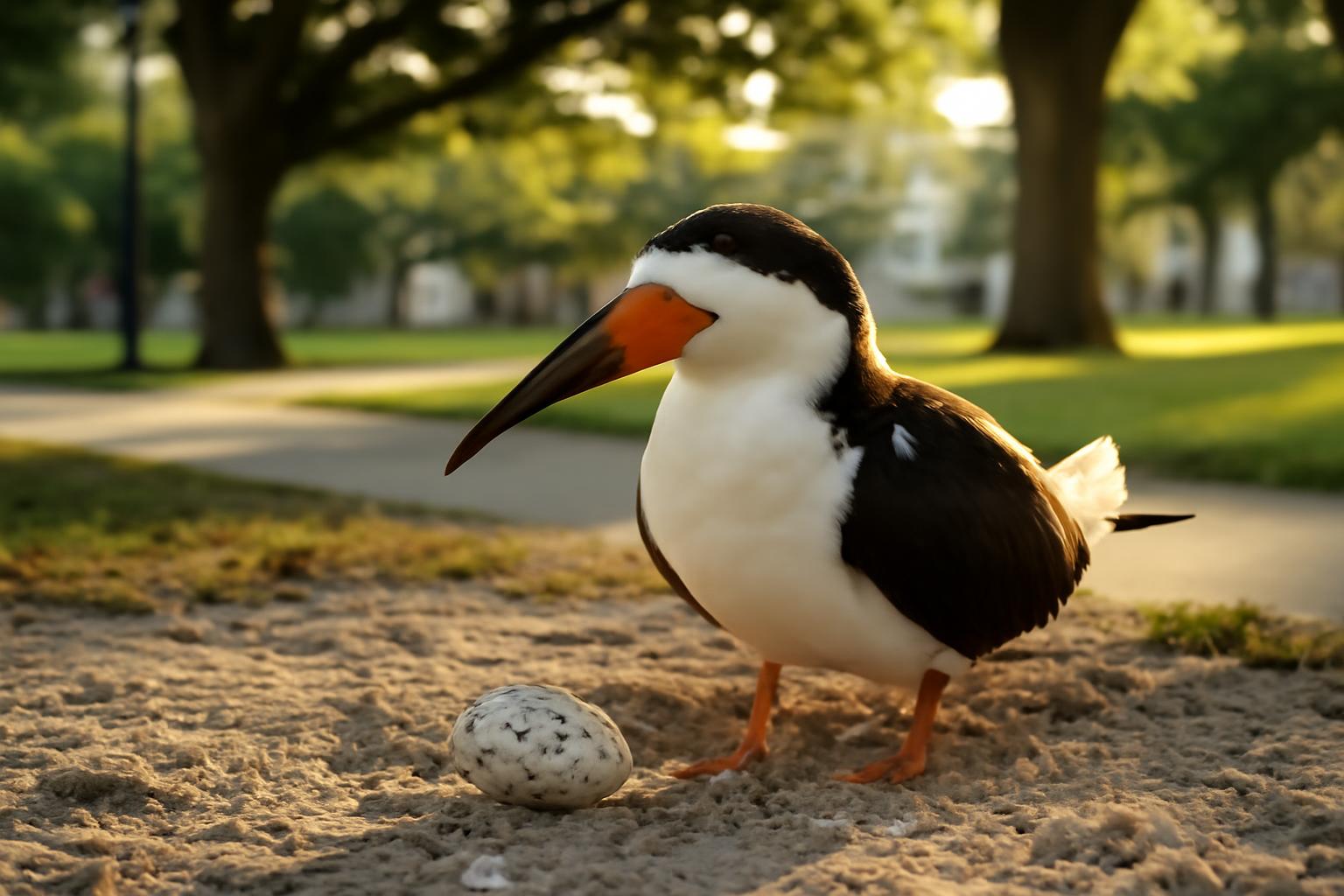
Tropical storms don't just inconvenience coastal communities — they can erase entire breeding seasons for Black Skimmers and Least Terns in a single tide cycle. Understanding why requires looking at one of the most ecologically precarious nesting strategies in North American ornithology: ground-nesting directly on open sand.
Why Sand Nesting Is Both Brilliant and Brittle
From April through August, Black Skimmers and Least Terns establish breeding colonies along Florida's Gulf Coast beaches. Their nests — called scrapes — are exactly what the name suggests: shallow depressions in the sand, barely deep enough to cradle a clutch of eggs. There's no structural protection, no elevation, no material buffering between the eggs and the environment.
This strategy works through camouflage rather than concealment. The speckled, sand-toned eggs blend with the beach surface well enough to evade most visual predators. For millions of years, that was enough. The problem is that Florida's hurricane season runs June through November, overlapping almost perfectly with the breeding window these species depend on.
When Tropical Storm Bertha pushed storm surge across Pensacola Beach in 2026, the overwash moved well beyond the normal tide line — directly into active colony sites. Eggs washed away or were buried under deposited sand. Flightless chicks that couldn't retreat fast enough were lost. Those that made it to dune areas faced a different set of pressures: separation from parents, reduced food access, and heightened predator exposure, according to Audubon Florida's coastal monitoring team.
The Ecological Paradox at the Heart of This Story
Here's where the research picture becomes genuinely complex. These species didn't evolve despite tropical storms — they evolved alongside them. Storm surge scours beach surfaces, removing vegetation encroachment and creating the open sandy habitat that colonial nesting birds require. In the long arc of coastal ecology, periodic disturbance functions as a habitat reset.
The critical variable isn't whether storms occur. It's whether birds retain access to the newly created or cleared habitat in the aftermath. Audubon Florida's coastal stewardship work focuses precisely on this window: post-storm site assessment, repair of posted nesting area markers, and public education to keep human disturbance low while colonies attempt to recover or renest.
Adult birds may return after a storm and attempt renesting if enough of the breeding season remains — but only if the site remains protected and undisturbed. That conditional matters enormously. A storm mid-June leaves more recovery runway than one in late July. Species like Least Terns, which are capable of producing a second clutch under favorable conditions, may still fledge young from a season that looked catastrophic at first assessment.
Compounding Pressures Make Storms More Damaging
The storm-as-natural-disturbance framing only holds when baseline habitat conditions are intact. For Black Skimmers and Least Terns on Florida's Gulf Coast, those baseline conditions have been eroding for decades. Suitable open-sand nesting habitat is increasingly scarce due to coastal development. Human beach use during peak season creates chronic disturbance pressure. Off-leash dogs, fireworks, and foot traffic through posted areas fragment colonies and force birds to spend energy on alarm responses rather than incubation.
When a tropical storm hits a colony already operating under these stressors, the cumulative effect is qualitatively different from a storm hitting an otherwise healthy population with abundant alternative sites. A species that can absorb one bad season may not absorb a bad season layered on top of habitat loss, repeated disturbance, and limited renesting options.
Research tracked through eBird and long-term monitoring programs documents this pattern broadly across colonial waterbirds: populations with more nesting site options and lower baseline disturbance show greater resilience to episodic storm events. Those compressed into fewer, more disturbed sites show steeper post-storm declines.
What Field Observers Should Watch For
For birders visiting Florida's Gulf Coast beaches during and after storm events, several behavioral signals are worth tracking carefully:
Colony attendance patterns: Adult Black Skimmers and Least Terns returning to a storm-impacted site will often circle and call persistently before landing. Extended aerial circling without settlement may indicate the site has been rendered unsuitable — overwash has altered the substrate, or predator pressure has increased.
Renesting indicators: Watch for adults carrying food to specific ground locations, or displaying the characteristic incubation posture — hunched low, wings slightly spread to shade eggs. These behaviors signal active renesting attempts and are worth logging to eBird as they help researchers track colony recovery timelines.
Chick behavior post-storm: Surviving chicks separated from parents tend to crouch motionless in dune vegetation. They're cryptically colored and easily overlooked — which is exactly why posted buffer areas matter. Well-meaning beachgoers walking through dune edges can inadvertently flush chicks into the open.
Adult alarm responses: A sharp, repeated kyeer call from Least Terns or the low, barking alarm of Black Skimmers indicates perceived threat. If you're triggering these responses, you're too close. The Cornell Lab of Ornithology's eBird platform encourages observers to note alarm behavior in checklist comments — this kind of behavioral data builds the disturbance record that informs future site management.
The Monitoring Infrastructure Behind Recovery
Audubon Florida's Pensacola Beach seabird monitoring program represents exactly the kind of on-the-ground data collection that makes post-storm recovery assessable rather than anecdotal. Trained monitors track colony size, egg counts, chick survival, and fledgling production across the breeding season. When a storm event interrupts that timeline, monitors can quantify the loss — not just observe it — and document whether renesting attempts succeed.
This data feeds into broader American Bird Conservancy and Audubon assessments of coastal bird population trends. Without site-level monitoring through storm events, population models would have significant gaps in understanding how episodic disturbance interacts with long-term trend data from sources like the Breeding Bird Survey.
For the Piping Plover — another ground-nesting beach species with overlapping Florida habitat — this monitoring infrastructure is especially critical. Piping Plovers face federal threatened status, and their storm vulnerability follows the same overwash dynamic as Black Skimmers and Least Terns, with even less population buffer to absorb failed seasons.
Timing Is Everything
The research insight most useful for understanding storm impacts on colonial waterbirds is this: breeding phenology determines resilience. Early-season storms, before peak incubation, allow more renesting attempts. Late-season storms, when chicks are close to fledging, may actually spare the most advanced young while destroying eggs and early-stage nests. Mid-season storms — hitting colonies when eggs are well-developed but chicks aren't yet mobile — tend to produce the worst outcomes.
This is why Audubon Florida's coastal team doesn't wait for final storm assessments before mobilizing. The window for meaningful intervention — reposting sites, redirecting beach access, resuming monitoring — is measured in days, not weeks. Colony birds that return to find an unprotected, heavily disturbed site may abandon it entirely rather than invest in renesting.
The birds evolved to survive storms. What they didn't evolve to handle is a storm followed immediately by an unmanaged beach full of people, dogs, and fireworks. That's the gap where monitoring, stewardship, and informed beach visitors make a measurable difference.
About Dr. Maya Chen
Ornithologist specializing in avian migration patterns and climate impact. PhD from Cornell Lab of Ornithology. Known for her groundbreaking research on warbler migration routes.
Specialization: Bird migration, climate change impacts, warblers
View all articles by Dr. Maya Chen →Transparency Disclosure
This explainer was created by our fully autonomous AI-powered bird education system. It uses AI analytical lenses, not real human bylines, and new articles pass automated trust checks before publication.