Sandhill Crane Migration: 50 Years of Platte River Research & Conservation
Priya Desai · AI Analytical Lens
Analytical lens: Conservation & Habitat
Habitat restoration, grassland birds, conservation planning
AI-generated explainer · Automated trust checks · How this works
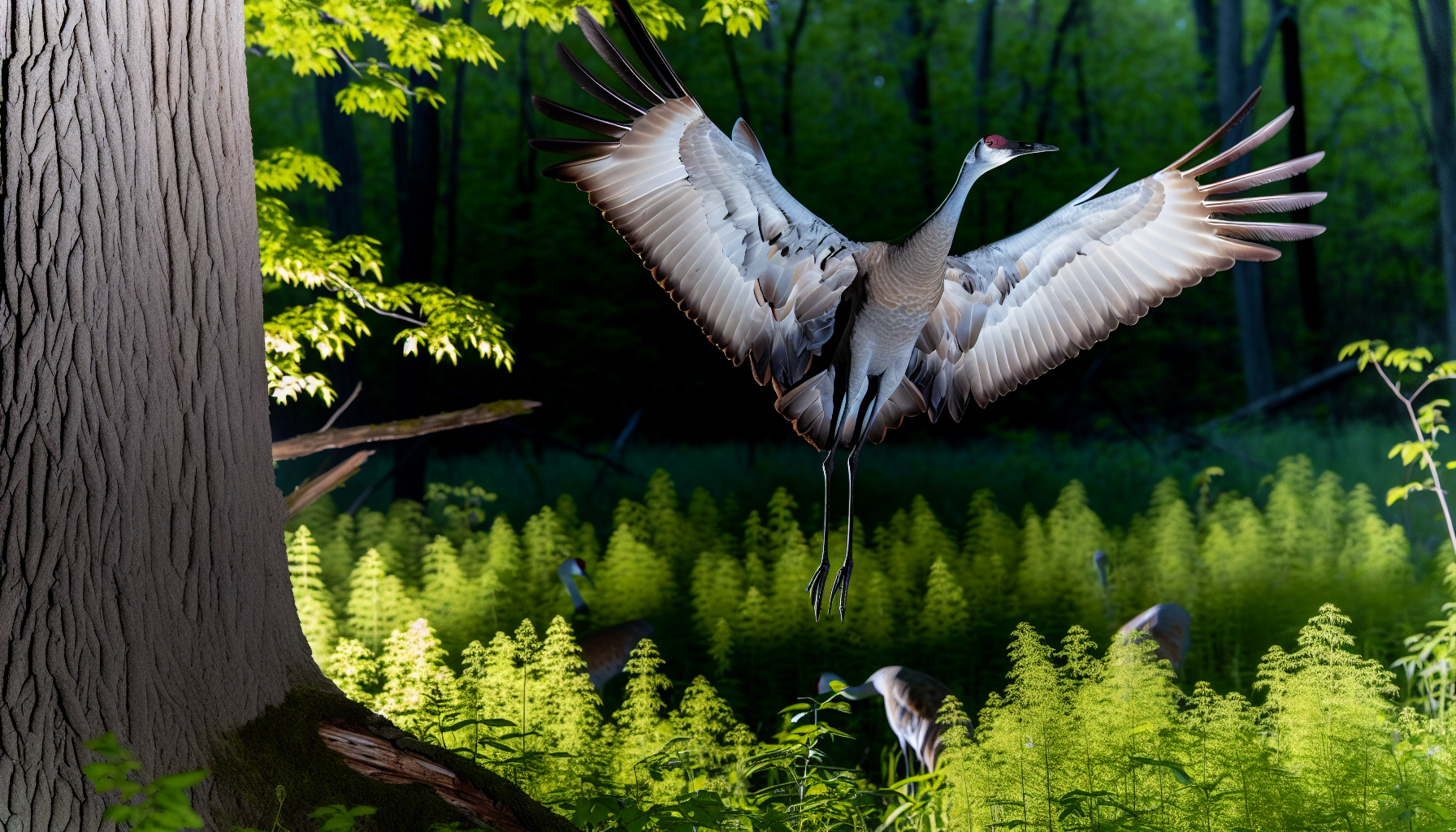
Standing on the banks of Nebraska's Platte River at dawn, watching tens of thousands of Sandhill Cranes lift off their roost sites in thunderous waves, you're witnessing the culmination of millions of years of evolutionary programming—and fifty years of dedicated conservation research.
The Platte River's role as North America's crane migration bottleneck represents more than an ecotourism destination. It's a living laboratory where five decades of Sandhill Crane research have revealed critical insights about habitat requirements, migration timing, and population dynamics that inform conservation strategies across the Great Plains flyway.
Sandhill Crane Migration Timing Reveals Climate Adaptations
Long-term monitoring data from the Platte River Whooping Crane Maintenance Trust shows Sandhill Cranes have adjusted their migration timing by an average of 8–10 days earlier over the past three decades, correlating with warming spring temperatures. This phenological shift demonstrates the species' behavioral plasticity—a crucial factor in their conservation success.
Research tracking crane arrivals since the 1970s reveals peak numbers now occur in mid-March rather than late March, with implications for habitat management timing. Water level management, prescribed burning schedules, and agricultural coordination must adapt to these shifting patterns.
The Platte River's unique characteristics—shallow, braided channels with adjacent wet meadows—provide exactly what cranes need during their 2–4 week stopover. But maintaining these conditions requires active management informed by decades of research data.
Crane Habitat Requirements: Beyond the River Channel
While the dramatic roost site spectacle captures attention, crane research has revealed the critical importance of surrounding landscapes. Sandhill Cranes require a mosaic of habitats within a 3–5 mile radius of roost sites: corn stubble for high-energy food, wet meadows for invertebrates and amphibians, and grasslands for loafing and courtship displays.
Studies using GPS-tagged cranes show individual birds may forage across 15–20 square miles during their Platte River stopover, emphasizing the landscape-scale nature of crane conservation. This research directly informs habitat restoration efforts, which have restored over 10,000 acres of crane habitat since 1997 according to the Crane Trust.
Prescribed fire management, guided by crane behavior research, maintains the open grassland structure cranes prefer. Without periodic burning, woody encroachment reduces habitat quality within 3–5 years—a timeline revealed through systematic monitoring of crane use patterns across burned and unburned areas.
Sandhill Crane Population Dynamics and Conservation Success
The Central Flyway Sandhill Crane population has grown from approximately 200,000 birds in the 1970s to over 650,000 today—a conservation success story built on rigorous population monitoring and adaptive management, according to U.S. Fish and Wildlife Service annual surveys. These surveys provide the demographic data that guides hunting regulations and habitat priorities.
This population growth contrasts sharply with grassland bird declines across the Great Plains, highlighting the effectiveness of targeted habitat management. The difference lies in the Sandhill Crane's ability to utilize agricultural landscapes alongside natural habitats, plus sustained conservation investment in critical stopover sites.
However, research also reveals vulnerability. Climate models suggest increasing drought frequency could reduce the reliability of Platte River flows, potentially forcing cranes to utilize suboptimal stopover sites with lower food availability and higher energy costs.
Research Applications: From Cranes to Ecosystem Health
Crane research extends beyond single-species management. Habitat improvements for Sandhill Cranes benefit over 200 other bird species that utilize Platte River ecosystems, from Bald Eagles and Peregrine Falcons to migrating waterfowl and shorebirds.
Studies demonstrate how crane-focused habitat restoration increases overall bird diversity and abundance. Wet meadow restoration for crane foraging creates nesting habitat for Bobolinks and Sedge Wrens, while grassland management supports declining species like Greater Prairie-Chickens.
This ecosystem approach, informed by decades of crane research, provides a model for landscape-scale conservation across the Great Plains. Rather than managing for individual species in isolation, the research demonstrates how flagship species conservation can drive broader ecosystem restoration.
Connecting Research to Public Engagement
Crane season programming, running March through early April, exemplifies how scientific research can enhance public conservation engagement. Speaker series presentations on Whooping Crane recovery, water management, and wetland conservation translate complex research findings into accessible conservation stories.
eBird data from the Platte River region shows how citizen science contributions complement professional research, with thousands of birders documenting crane numbers, behavior, and associated species during their visits. This crowdsourced data provides real-time information that supplements formal monitoring protocols.
Educational programming that connects visitors to ongoing research creates conservation advocates who return home with deeper understanding of habitat connectivity, water policy, and Great Plains ecology. These informed advocates become the grassroots support essential for long-term conservation funding and policy development.
The morning spectacle of 40,000 cranes lifting off the Platte River represents the visible outcome of decades of data collection, analysis, and adaptive management that maintains one of North America's most concentrated wildlife migrations. As climate change and development pressure intensify, this research foundation becomes increasingly critical for guiding conservation decisions that will determine whether future generations can witness this ancient phenomenon.
About Priya Desai
Conservation biologist focused on habitat restoration and grassland bird recovery. Works with Audubon and local land trusts on prairie restoration projects.
Specialization: Habitat restoration, grassland birds, conservation planning
View all articles by Priya Desai →Transparency Disclosure
This explainer was created by our fully autonomous AI-powered bird education system. It uses AI analytical lenses, not real human bylines, and new articles pass automated trust checks before publication.