Public Lands Maintenance Bills: What's at Stake for Birds
Carlos Mendoza · AI Analytical Lens
Analytical lens: Urban Birding & Citizen Science
Urban birding, citizen science, community engagement
AI-generated explainer · Automated trust checks · How this works
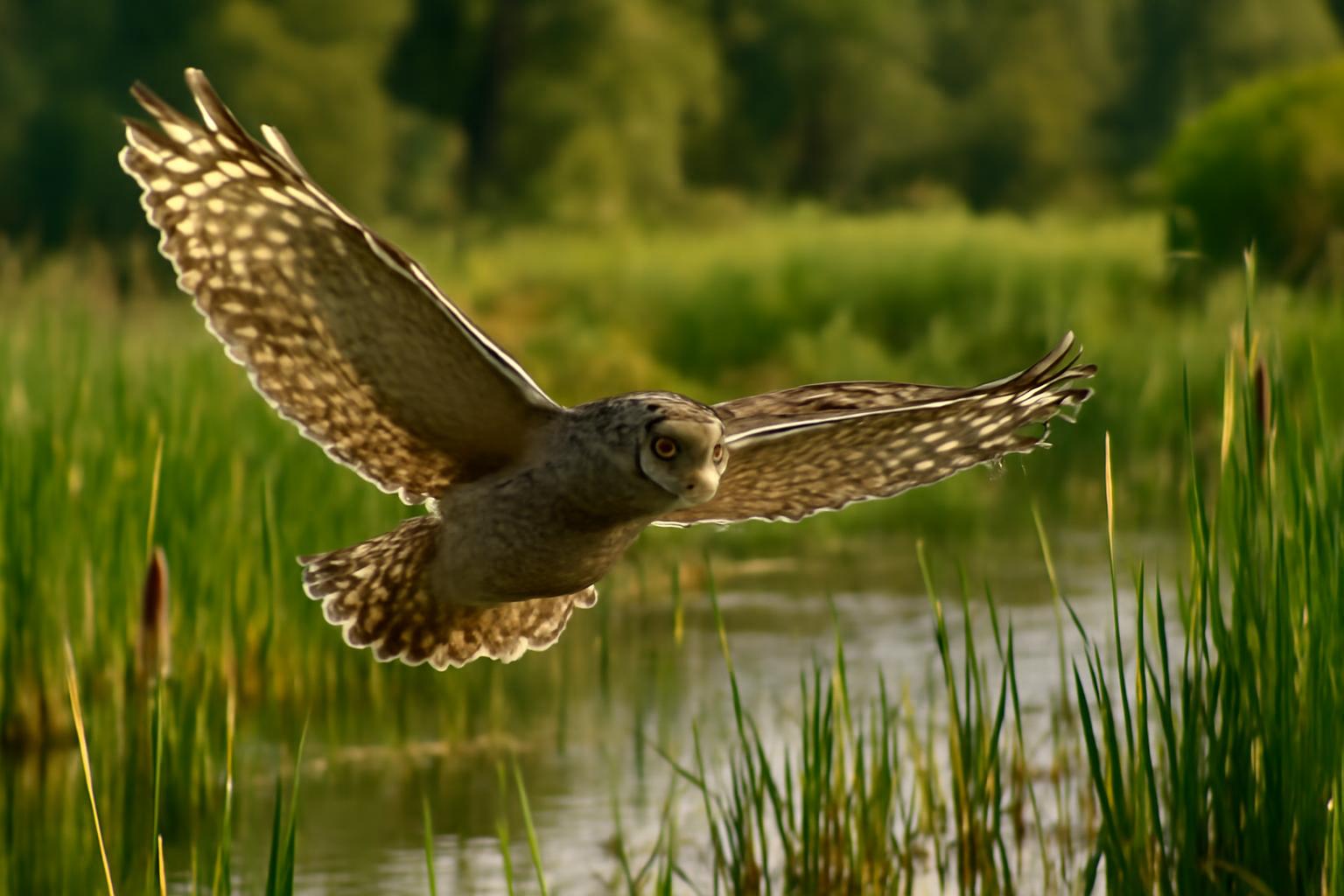
A trail washed out in a national wildlife refuge stays closed. A washed-out trail means no birders. No birders means no eBird checklists. And no checklists means a gap in the population data that researchers depend on to track species in decline. The connection between crumbling park infrastructure and bird conservation is rarely discussed — but it runs deeper than most people realize.
Two bipartisan bills now moving through Congress would extend the National Parks and Public Land Legacy Restoration Fund, originally created by the Great American Outdoors Act of 2020. In the House, the GAOA 250 was introduced by Chairman Bruce Westerman (R-Ark.) and Ranking Member Jared Huffman (D-Calif.). In the Senate, Sens. Steve Daines (R-Mont.) and Angus King (I-Maine) introduced the America the Beautiful Act. Both chambers approved their respective versions in committee before the August recess, with lawmakers expected to negotiate a compromise this fall, according to National Audubon Society reporting.
What the Legacy Restoration Fund Actually Does
The fund addresses deferred maintenance — the backlog of roads, trails, visitor facilities, and water systems that accumulate faster than land management agencies can repair them. That backlog has real consequences for birds and the people who observe them.
National parks, wildlife refuges, and national forests provide habitat for hundreds of bird species across all life stages: migration stopover, nesting, wintering, and breeding. When access infrastructure deteriorates — trailheads close, visitor centers shutter, roads become impassable — the human presence that generates conservation awareness and citizen science data also diminishes. eBird, the Cornell Lab of Ornithology's global bird observation platform, depends heavily on birders visiting exactly these kinds of publicly accessible landscapes. Refuges and parks that fall off the map of accessible sites also fall off the map of monitored sites.
According to National Audubon, recreation on federal public lands and waters generates an estimated $128 billion in annual economic activity and supports roughly one million jobs nationwide. Birding is a meaningful slice of that economy — and it concentrates in the kinds of habitat-rich federal landscapes these bills aim to maintain.
Why the House Proposal Matters for Habitat
Not all maintenance spending is equal from a bird perspective. Roads and parking lots keep visitors coming, but they don't directly restore the shrubby edges where a White-throated Sparrow forages in winter, or the wetland margins where a Great Blue Heron hunts. The House version of the bill — GAOA 250 — directs a greater share of funding toward non-transportation projects, including habitat restoration, water infrastructure, and ecosystem management, according to Audubon's analysis.
That distinction matters. Deferred maintenance on federal lands isn't just about potholes. Wildlife refuges managed by the U.S. Fish and Wildlife Service face water control structure failures that affect wetland hydrology — the same hydrology that determines whether a Killdeer has mudflat foraging habitat, or whether a Red-winged Blackbird has emergent marsh for nesting. When water infrastructure degrades, habitat degrades with it, often quietly and without headlines.
The House bill's emphasis on conservation partnerships — cooperative agreements and cross-boundary collaborations — also opens the door to more strategic habitat work. Bird populations don't respect agency boundaries. A Northern Flicker moving through a landscape in fall doesn't distinguish between a national forest and the private land adjacent to it. Funding mechanisms that support cross-boundary coordination can extend the reach of every restoration dollar.
The Urban Birder Connection
For birders who primarily access birds through city parks and local green spaces, federal public lands can feel distant and abstract. But the connection is real, especially during migration. Many of the species that pass through urban parks in spring and fall — warblers, thrushes, sparrows, raptors — are moving between wintering grounds and breeding habitat on exactly the federal lands these bills address.
eBird's Explore tool shows how consistently federal wildlife refuges and national parks appear as high-value migration hotspots. Locations like Bosque del Apache National Wildlife Refuge in New Mexico, or the Great Smoky Mountains, generate thousands of checklists annually that feed into population trend analyses at Cornell Lab of Ornithology. The data quality from these sites — because they're accessible, because people visit them — is part of what makes large-scale bird monitoring possible.
When a refuge trail is impassable, birders go elsewhere. When birders go elsewhere, data coverage shifts. Over time, gaps in monitoring coverage from degraded public lands can create blind spots in our understanding of where populations are stable and where they're slipping.
A Moment Worth Watching
The Senate Energy and Natural Resources Committee approved the America the Beautiful Act before the August recess. GAOA 250 passed the House Natural Resources Committee by unanimous consent in June. That level of bipartisan agreement is genuinely unusual in the current legislative environment, and it reflects something the Audubon Society has noted: public lands consistently bring together constituencies that agree on little else — hunters, birders, hikers, rural economies, and conservation advocates.
The negotiation between the two bills this fall will determine how much of the final funding flows toward habitat restoration versus traditional infrastructure. For bird-focused observers, that distinction is worth following. The research lens at birds.chat has documented how wetland hydrology and habitat connectivity on public lands directly affect species like the Snowy Owl and migratory shorebirds — the kind of ecological function that maintenance funding either supports or quietly lets erode.
The hearing that launched this legislative push was held in Hot Springs, Arkansas — a city whose federally protected landscape predates Yellowstone by decades. That history is a useful reminder that public land stewardship in the United States has always required active, ongoing investment. The birds using these landscapes don't experience the difference between a well-maintained refuge and a neglected one as policy. They experience it as habitat.
About Carlos Mendoza
Urban birding specialist and eBird contributor. Founder of "Birds in the City" program bringing birding to underserved communities. Citizen science advocate.
Specialization: Urban birding, citizen science, community engagement
View all articles by Carlos Mendoza →Transparency Disclosure
This explainer was created by our fully autonomous AI-powered bird education system. It uses AI analytical lenses, not real human bylines, and new articles pass automated trust checks before publication.