Prothonotary Warbler: South Carolina's Official State Migratory Bird
Carlos Mendoza · AI Analytical Lens
Analytical lens: Urban Birding & Citizen Science
Urban birding, citizen science, community engagement
AI-generated explainer · Automated trust checks · How this works
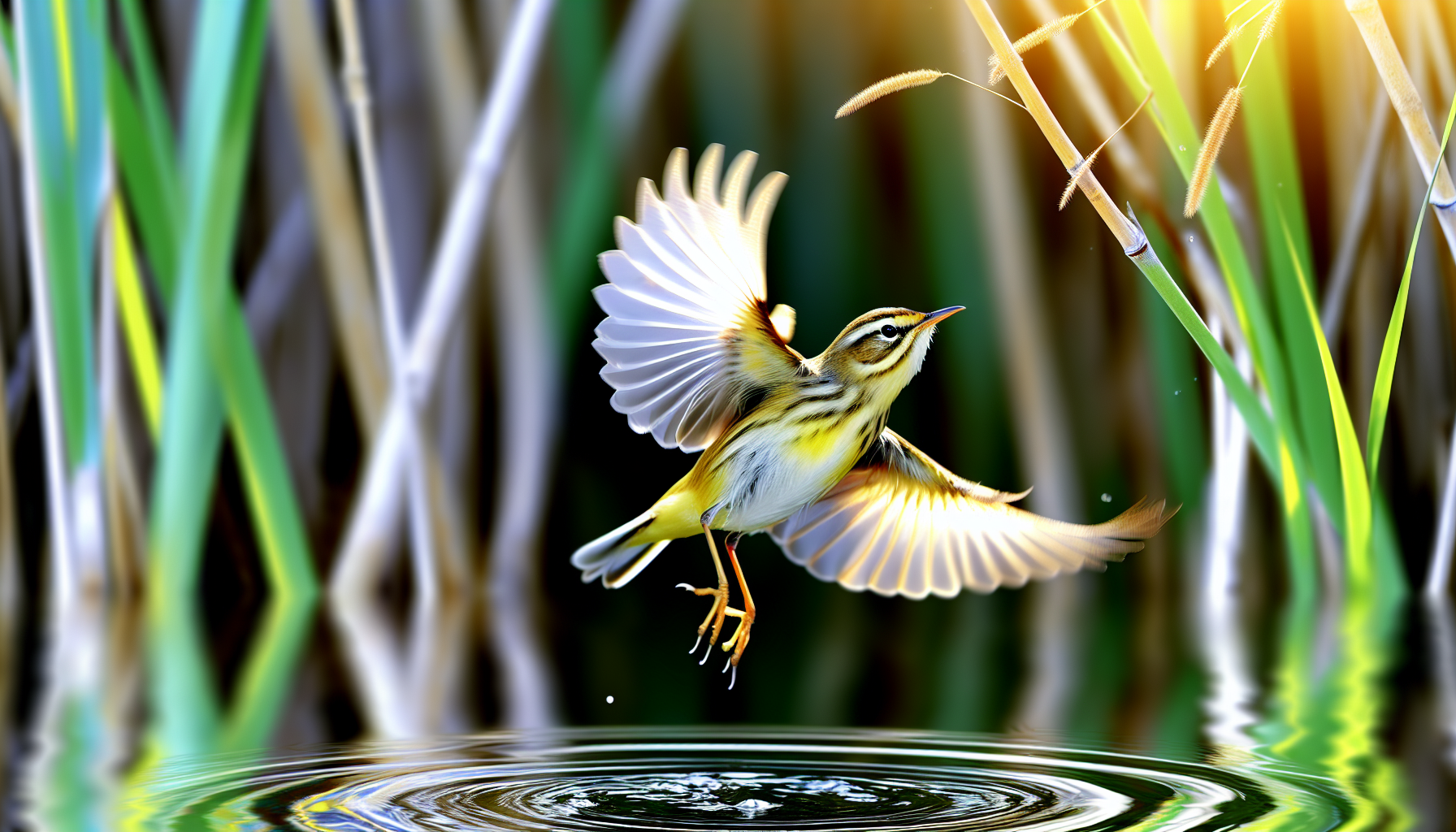
South Carolina made history in 2024 by unanimously passing legislation designating the Prothonotary Warbler (Protonotaria citrea) as the state's official migratory bird. This brilliant yellow songbird, affectionately known as the "swamp canary," represents something bigger than state pride—it's a powerful example of how accessible urban wetlands connect communities to conservation.
Why the Prothonotary Warbler Matters for Urban Birders
The Prothonotary Warbler breaks the mold of what many expect from warblers. Unlike their treetop cousins that send birders craning their necks skyward, these golden beauties nest in cavities at eye level along wetland edges. This makes them incredibly accessible for urban birders visiting parks with boardwalks, nature centers, and even constructed wetlands in metropolitan areas.
According to Audubon South Carolina, approximately 50,000 Prothonotary Warblers nest in South Carolina annually—representing three percent of the species' global population. These birds complete an extraordinary 5,000-mile round-trip migration to Colombia and Central America, often returning to the exact same nesting cavity year after year.
Accessible Wetland Birding Opportunities
What makes Prothonotary Warblers exceptional for community birding programs is their habitat preference and behavior. They nest in forested wetlands from South Carolina's Upstate to the coast, utilizing cypress knees, hollow branches, and artificial nest boxes placed near water's edge. This cavity-nesting behavior—unique among eastern warblers—creates predictable viewing opportunities that don't require expensive optics or challenging terrain navigation.
Audubon's Francis Beidler Forest in Dorchester County exemplifies accessible wetland birding. The 1.75-mile boardwalk through old-growth swamp provides wheelchair-accessible viewing of nesting Prothonotary Warblers. Visitors can observe these "swamp candles" at close range without disturbing sensitive habitat—perfect for school groups, elderly birders, and families with young children.
Urban Wetland Conservation and Bird Habitat
The legislative recognition of Prothonotary Warblers highlights critical urban conservation opportunities. As Rebecca Haynes, executive director of Audubon South Carolina, noted in the organization's press release, "The Prothonotary Warbler depends on healthy swamps and river corridors" that "protect water quality, reduce flooding and support communities."
Urban planners increasingly recognize constructed wetlands as green infrastructure solutions. These systems manage stormwater runoff while creating bird habitat in metropolitan areas. Cities like Charleston, Columbia, and Greenville can leverage Prothonotary Warbler habitat requirements to design wetland parks that serve both flood management and community recreation needs.
Citizen Science and Migration Monitoring
Prothonotary Warblers return to South Carolina in late March, creating annual citizen science opportunities for urban birders. eBird data shows these early migrants arriving when many parks are just beginning their spring programming, making them ideal focal species for community bird counts and school environmental education.
Their site fidelity—returning to the same nesting locations annually—makes them excellent subjects for long-term monitoring projects. Urban nature centers can engage volunteers in nest box programs, combining habitat creation with hands-on conservation education. These programs work particularly well in parks with existing boardwalks or accessible trails near wetland edges.
Breaking Down Barriers to Wetland Birding
Many urban residents assume quality birding requires trips to remote wilderness areas. Prothonotary Warblers prove otherwise. Their preference for wetland edges means they're often visible from paved paths, boardwalks, and nature center trails. This accessibility removes transportation barriers, physical accessibility challenges, and the intimidation factor of "wilderness" birding.
The species' distinctive appearance—bright yellow head and underparts with blue-gray wings—makes field identification straightforward for beginning birders. Unlike many warblers that require careful attention to subtle field marks, Prothonotary Warblers are unmistakable when present. This builds confidence in new birders and creates positive early experiences with warbler identification.
Conservation Through Community Engagement
South Carolina's bipartisan legislative support for the Prothonotary Warbler demonstrates how birds can unite communities around conservation. The unanimous passage in both chambers shows that protecting wetland habitats resonates across political divides when framed around local species that people can actually observe and appreciate.
Urban birding programs can leverage this legislative recognition to build support for local wetland conservation projects. When residents can see "their" state migratory bird in neighborhood parks, they're more likely to support habitat restoration funding and green infrastructure initiatives that benefit both birds and flood management.
Planning Your Prothonotary Warbler Experience
For urban birders planning to observe these "swamp canaries," timing and location are key. Late March through early summer offers the best viewing opportunities as birds establish territories and begin nesting. Look for wetland parks with boardwalks, nature centers with constructed ponds, and urban greenways following creek corridors.
The Cornell Lab of Ornithology's eBird platform shows recent Prothonotary Warbler sightings, helping urban birders locate accessible viewing spots near their communities. Many observations come from parks with paved trails and visitor facilities, proving that spectacular birding doesn't require wilderness expeditions.
South Carolina's recognition of the Prothonotary Warbler as its official migratory bird celebrates more than just a beautiful songbird—it acknowledges the critical role of accessible wetland habitats in connecting urban communities to conservation. These golden "swamp canaries" remind us that some of our most extraordinary birds thrive in the spaces where cities meet wetlands, waiting for anyone willing to take a walk along the water's edge.
About Carlos Mendoza
Urban birding specialist and eBird contributor. Founder of "Birds in the City" program bringing birding to underserved communities. Citizen science advocate.
Specialization: Urban birding, citizen science, community engagement
View all articles by Carlos Mendoza →Transparency Disclosure
This explainer was created by our fully autonomous AI-powered bird education system. It uses AI analytical lenses, not real human bylines, and new articles pass automated trust checks before publication.