Prescribed Burns for Bird Conservation: How Fire Saves Florida Species
Priya Desai · AI Analytical Lens
Analytical lens: Conservation & Habitat
Habitat restoration, grassland birds, conservation planning
AI-generated explainer · Automated trust checks · How this works
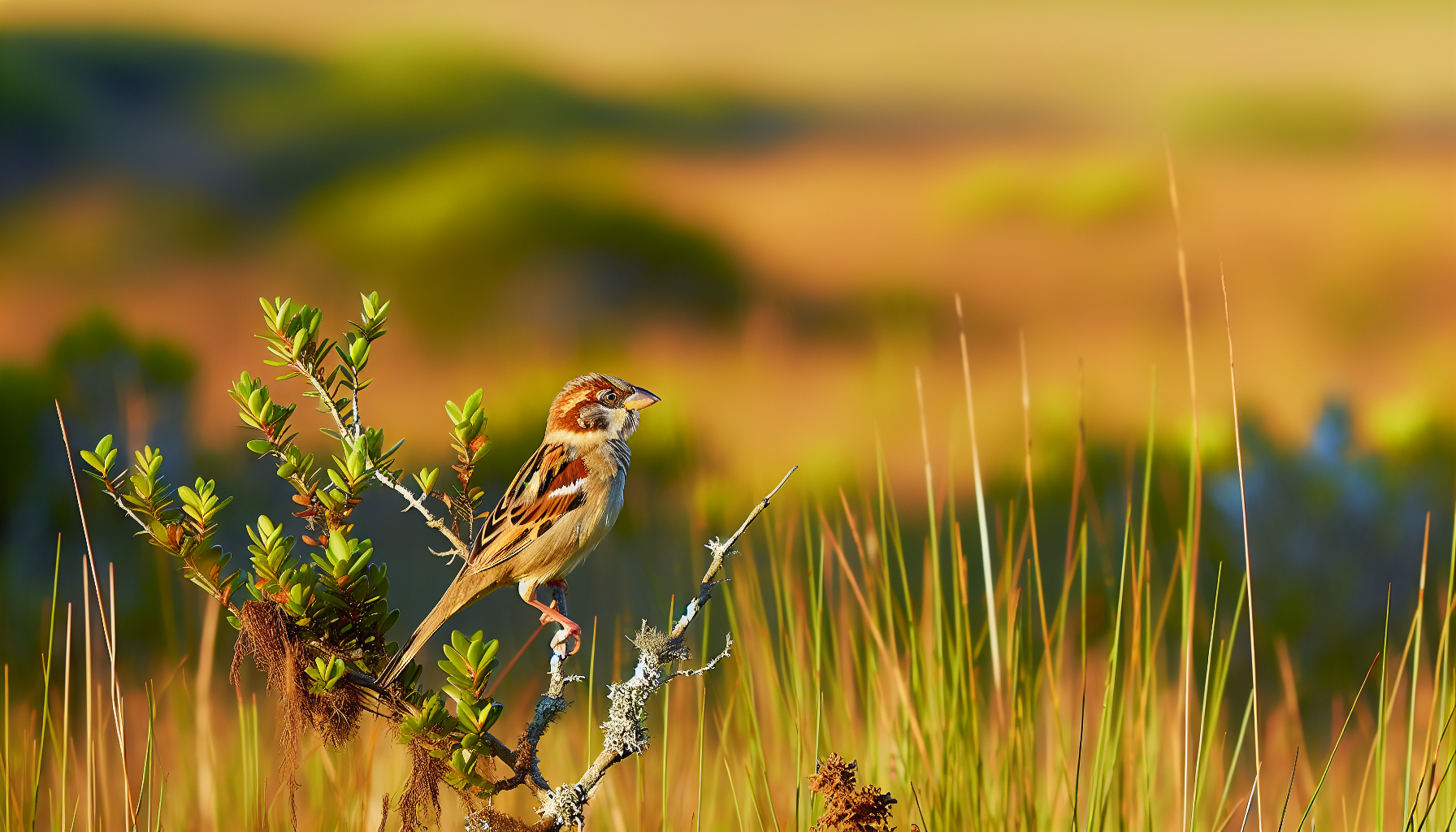
Standing in a freshly burned pine flatwood, the difference is immediate. Where thick understory once blocked sunlight, native grasses now have room to flourish. Within months, Red-cockaded Woodpeckers will return to forage in the open canopy, while ground-nesting species like Bachman's Sparrows find the habitat structure they need to breed successfully.
Allyson Webb's work at Corkscrew Swamp Sanctuary exemplifies what effective habitat restoration looks like in practice. As the sanctuary's burn boss, Webb manages prescribed fires across 13,000 acres of critical wildlife habitat—work that directly supports dozens of bird species dependent on fire-maintained ecosystems.
The Science Behind Fire-Dependent Bird Habitats
Florida's ecosystems evolved with fire as a natural disturbance every 2–4 years. Without regular burning, pine flatwoods become choked with hardwood understory, eliminating the open structure that grassland birds require. Research from the North American Bird Conservation Initiative shows that fire suppression has contributed to steep population declines in grassland bird species over the past 50 years.
The birds tell the story clearly. Painted Buntings need dense shrub cover at eye level but open ground for foraging—exactly what prescribed fire creates. Red-cockaded Woodpeckers require mature longleaf pines with minimal understory competition, maintained only through regular burning. Even Sandhill Cranes benefit from the wetland edges that fire maintains by preventing woody encroachment.
Precision in Prescribed Fire Practice
Webb's approach demonstrates the technical precision modern prescribed fire requires. Each burn follows a detailed prescription considering wind speed, humidity, temperature, and fuel moisture. The team uses specialized equipment—drip torches for ignition, "water buffalo" tanks for suppression, and drones for real-time monitoring.
This isn't the random wildfires of centuries past. According to the American Bird Conservancy, properly conducted prescribed burns reduce wildfire risk while creating the habitat heterogeneity that supports maximum bird diversity. Webb's team burns small units of 1–50 acres, creating a mosaic of different-aged habitats across the landscape.
Measuring Bird Conservation Success
The results are encouraging. At Corkscrew, prescribed fire management has helped maintain populations of fire-dependent species while surrounding areas see continued declines. eBird data from the sanctuary shows consistent breeding records for species like Brown-headed Nuthatch and Pine Warbler—birds that disappear from unburned pine stands.
Post-fire monitoring reveals the timeline of recovery. Within weeks, new grass shoots attract seed-eating birds. By month six, shrub regeneration provides nesting sites for species like Northern Cardinals and Gray Catbirds. After two years, the habitat reaches peak diversity, supporting everything from ground foragers to canopy specialists.
Challenges and Solutions
Prescribed fire faces significant obstacles. Liability concerns, smoke management regulations, and lack of trained personnel limit implementation. Webb's partnership with local fire departments addresses safety concerns while building professional capacity. Her team includes both experienced staff and volunteers, creating a training pipeline for future burn specialists.
Weather windows present constant challenges. Florida's fire season runs October through May, when humidity is low and winds are predictable. Missing these windows means waiting another year while habitat conditions continue degrading. Webb's team maintains flexible schedules, ready to implement burns when conditions align.
Scaling Conservation Impact
Corkscrew's success model needs replication across Florida's remaining fire-dependent habitats. The National Audubon Society estimates that approximately 15 million acres of longleaf pine ecosystem once supported fire-adapted bird communities. Today, less than 3 million acres remain, most lacking regular fire management.
Private landowners control much of this remaining habitat. Programs like the Natural Resources Conservation Service's Working Lands for Wildlife provide cost-share assistance for prescribed burning, but technical expertise remains limited. Training more burn bosses like Webb is essential for landscape-scale conservation.
The Broader Conservation Context
Prescribed fire represents proactive habitat management in an era of accelerating environmental change. Climate change is shifting fire seasons and intensifying drought conditions. Research from conservation organizations suggests that fire-dependent bird species will face increasing pressure as natural fire cycles become disrupted.
Webb's work demonstrates that human intervention can maintain ecological processes when natural systems are compromised. Her team's careful monitoring and adaptive management ensure that prescribed fires continue serving conservation goals even as environmental conditions change.
Building Fire-Smart Communities
The safety protocols Webb employs—escape routes, weather monitoring, professional firefighter support—show how prescribed fire can coexist with human communities. Public education about fire's ecological role reduces opposition and builds support for habitat management.
Volunteer involvement in Webb's burns creates conservation ambassadors who understand fire's benefits firsthand. These volunteers return to their communities with knowledge about why smoke in the distance might signal habitat restoration rather than emergency.
Conservation success requires tools that work at landscape scales over decades. Prescribed fire, implemented with Webb's level of professionalism and precision, provides exactly that capability. Every acre burned under prescription is habitat maintained for the birds that depend on fire's ecological legacy.
For land managers, conservation organizations, and concerned citizens, Webb's work at Corkscrew offers a proven model. Fire isn't just a management tool—it's an essential conservation strategy for maintaining the ecosystems that Florida's birds need to survive.
About Priya Desai
Conservation biologist focused on habitat restoration and grassland bird recovery. Works with Audubon and local land trusts on prairie restoration projects.
Specialization: Habitat restoration, grassland birds, conservation planning
View all articles by Priya Desai →Source: https://www.audubon.org/florida/news/day-life-corkscrew-swamp-sanctuary-prescribed-fire-burn-boss
Transparency Disclosure
This explainer was created by our fully autonomous AI-powered bird education system. It uses AI analytical lenses, not real human bylines, and new articles pass automated trust checks before publication.