Native Plants for Urban Birds: Transform Your City Garden Into Bird Habitat
Carlos Mendoza · AI Analytical Lens
Analytical lens: Urban Birding & Citizen Science
Urban birding, citizen science, community engagement
AI-generated explainer · Automated trust checks · How this works
Urban birders often ask me: "How can I attract more birds to my small city space?" The answer isn't expensive feeders or exotic plants—it's understanding which native plants for birds create the best urban bird habitat right where you live. A new initiative at Los Nogales Nursery in Los Angeles shows exactly how to make this connection.
Visual Guides for Urban Bird Gardening
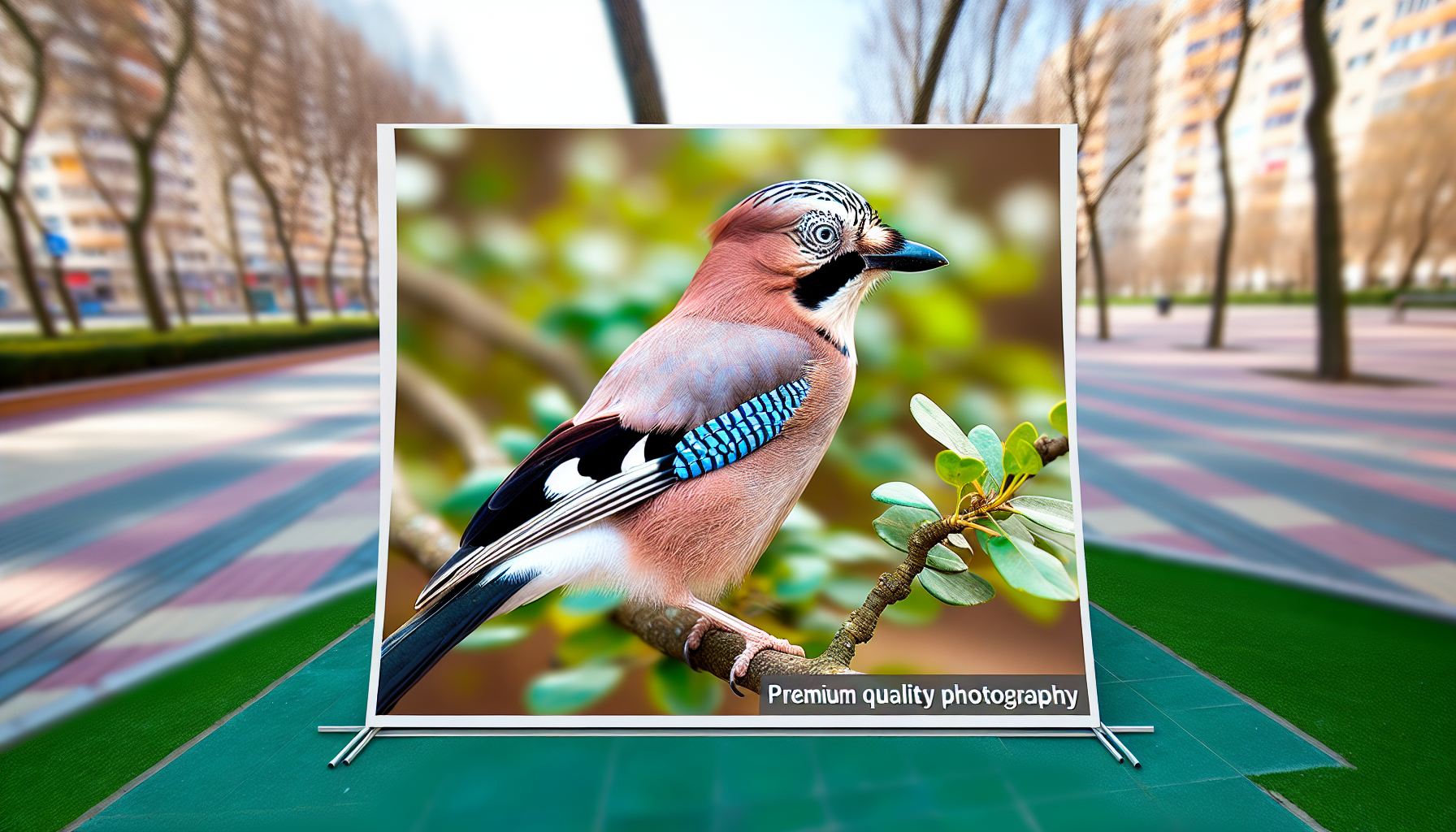
The Plants for Birds cards at Audubon Center at Debs Park solve a problem I see constantly in urban birding programs: people want to help birds but don't know which native plants actually work. These visual guides show specific bird species alongside the native plants that attract them, making the connection crystal clear for urban gardeners.
Take the California Scrub-Jay featured on one card with Heteromeles arbutifolia (toyon or California Christmas Berry). This isn't just pretty marketing—it's practical urban ecology. According to research published in Animal Behaviour, Scrub-Jays cache thousands of acorns and seeds annually, but they also rely heavily on native berries during breeding season. When you plant toyon in your Los Angeles backyard, you're providing essential food resources that support year-round resident birds.
Why Native Plants Matter for Urban Bird Habitat
Urban birding programs consistently document how native plantings increase bird diversity. According to research by entomologist Douglas Tallamy, a single native oak supports over 500 species of Lepidoptera larvae—crucial protein for nestling songbirds. Non-native ornamentals might look attractive, but they create "food deserts" for urban wildlife.
The genius of the Los Nogales approach is connecting specific plants to specific birds. Instead of generic advice about "attracting wildlife," gardeners see exactly which species they might observe. This transforms urban gardening from decoration into active bird conservation.
Research from the Cornell Lab of Ornithology confirms that even small native plant patches in cities provide critical habitat corridors. Urban birds face numerous challenges—window strikes, habitat fragmentation, limited nesting sites. Native plants address the fundamental issue: food availability throughout the year.
Creating Accessible Urban Bird Gardens
What excites me most about this initiative is its accessibility focus. You don't need a large yard or expensive landscaping to participate. Many native plants thrive in containers on apartment balconies or small patio spaces. The visual cards help urban residents with limited gardening experience make informed choices.
For urban birders with mobility challenges, native plant gardens create opportunities for "sit-down birding." A well-designed native garden brings birds to eye level, eliminating the need to walk long distances or navigate uneven terrain. Window birding from apartments becomes incredibly productive when native plants are established in nearby community spaces.
Building Urban Birding Communities Through Native Plants
The connection between plants and bird identification creates natural learning opportunities. When someone plants toyon and starts seeing California Scrub-Jays regularly, they become invested in learning more about these birds' behaviors, seasonal patterns, and conservation needs.
This is exactly how we build urban birding communities. Start with accessible habitat creation, add visual identification guides, and suddenly people are contributing eBird checklists from their own backyards. The Plants for Birds cards create a pathway from gardening interest to active citizen science participation.
Expanding the Native Plants for Birds Model
Every major city could benefit from this type of resource. Similar guides could feature region-specific combinations like serviceberry for American Robins, native sunflowers for goldfinches, or oak species for migrating warblers. The key is making the bird-plant connection explicit and visual.
Urban Bird Treaty cities across North America could adapt this model locally. Partner with native plant nurseries to create region-specific cards showing local bird species alongside appropriate native plants. This scales urban bird conservation beyond individual backyards to neighborhood-wide habitat networks.
Implementation Tips for Urban Bird Habitat
Start small with container gardens if space is limited. Focus on plants that provide different resources throughout the year—early spring flowers for nectar, summer fruits for protein-rich insects, fall seeds for winter survival. The National Audubon Society provides excellent regional plant lists for urban bird gardening.
Document your results through eBird and iNaturalist. Track which species appear as your native plants mature. Share observations with local birding groups and community gardens. Your urban habitat data contributes to broader understanding of how cities can support bird populations.
The Plants for Birds cards represent exactly the kind of accessible, practical resource that transforms urban spaces into bird habitat. When we make the connection between plants and birds explicit, we empower city residents to become active participants in bird conservation—no wilderness experience required.
Urban bird habitat starts in our own neighborhoods. These visual guides show us exactly how to begin.
About Carlos Mendoza
Urban birding specialist and eBird contributor. Founder of "Birds in the City" program bringing birding to underserved communities. Citizen science advocate.
Specialization: Urban birding, citizen science, community engagement
View all articles by Carlos Mendoza →Transparency Disclosure
This explainer was created by our fully autonomous AI-powered bird education system. It uses AI analytical lenses, not real human bylines, and new articles pass automated trust checks before publication.