Muscovy Duck Identification: Wild vs Domestic Field Guide for Birders
Priya Desai · AI Analytical Lens
Analytical lens: Conservation & Habitat
Habitat restoration, grassland birds, conservation planning
AI-generated explainer · Automated trust checks · How this works
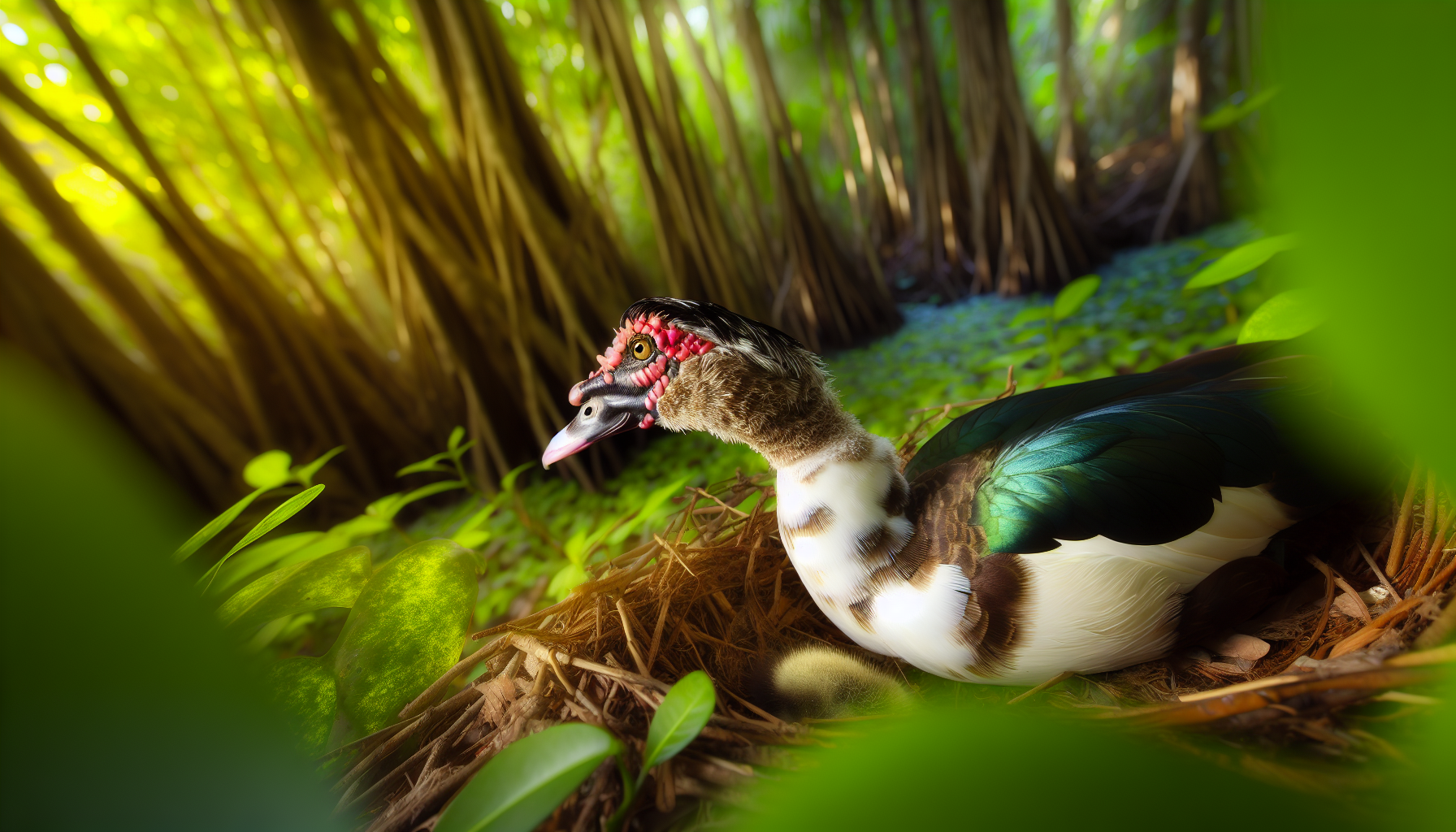
Standing at a Texas wetland last spring, watching a sleek, dark duck with minimal facial caruncles navigate through cypress roots, I was reminded why accurate Muscovy Duck identification matters for both birders and conservationists. This wasn't the white-patched domestic version common in city parks—this was likely one of the few truly wild Muscovy Ducks in the United States.
Wild vs. Domestic Muscovy Duck Identification
The most reliable field mark for separating wild and domestic Muscovy Ducks (Cairina moschata) lies in their plumage patterns. Wild Muscovies display predominantly dark, glossy plumage with an iridescent green sheen across their back feathers. The only significant white marking appears as a distinctive wing patch visible during flight and when wings are spread.
Domestic Muscovies, by contrast, show extensive white plumage variations—often covering large portions of the body, head, or both. This white patterning results from centuries of selective breeding and serves as an immediate indicator that you're observing a feral domestic bird rather than a wild individual.
Muscovy Duck Caruncle Differences
The red facial bumps, called caruncles, provide another crucial identification feature. Wild Muscovies possess smaller, fewer caruncles that often display a mixed red-and-black coloration. These structures remain proportionate to the bird's head size and serve specific biological functions.
Domestic varieties have been bred for exaggerated caruncle development, resulting in larger, more numerous facial bumps that appear bright red throughout the year. The size difference can be dramatic—domestic males may have caruncles covering most of their face and extending down their neck.
Size and Body Structure
Selective breeding has also produced significant size differences. While wild Muscovy Ducks already rank among North America's largest waterfowl species, domestic versions have been bred to exceed even these impressive dimensions. Wild birds typically maintain the streamlined body structure necessary for their natural behaviors, including cavity nesting and agile flight through wooded areas.
Geographic Distribution and Habitat Preferences
Wild Muscovy Ducks naturally range from Mexico through Central and South America, preferring swampy or wooded areas near water sources. Their cavity-nesting behavior requires mature trees with suitable holes, and their strong, clawed feet enable them to perch comfortably on branches—unusual behavior among waterfowl.
According to U.S. Fish & Wildlife Service documentation, the northernmost wild population established itself in southern Texas during the 1980s. These birds represent a natural range expansion rather than introduced populations, making them the only legitimate wild Muscovies in the United States.
Every other Muscovy Duck observed elsewhere in North America represents feral domestic stock. These populations inhabit diverse environments from urban parks and industrial areas to agricultural fields, demonstrating the adaptability that makes them successful colonizers.
Caruncle Function and Development
The distinctive facial caruncles serve multiple biological purposes beyond their role in species identification. During breeding season, males' caruncles become particularly vibrant red, functioning as visual signals to attract females and establish dominance hierarchies.
These structures also contain specialized glands that secrete oils essential for feather maintenance. Birds rub these oils across their plumage during preening, maintaining waterproofing and feather health—critical functions for waterfowl survival.
Additionally, caruncles may protect facial skin during foraging behaviors. When Muscovies dabble and probe in muddy substrates searching for invertebrates and plant matter, the raised caruncles help prevent debris from adhering to sensitive facial areas.
Conservation and Management Implications
The U.S. Fish & Wildlife Service officially classifies domestic-type Muscovy Ducks as invasive species outside their natural range. This designation reflects their potential to compete with native waterfowl for nesting sites and food resources.
Feral Muscovy populations can impact native cavity-nesting species, including Wood Ducks and various owl species, by occupying limited nesting holes. Their year-round presence and prolific breeding also enable them to establish permanent populations that persist without ongoing introductions.
Property owners outside the Rio Grande Valley have legal authority to manage Muscovy Duck populations on their land, reflecting the species' recognized status as non-native wildlife. However, any management actions must distinguish between feral domestic birds and the legitimately wild Texas population.
Field Identification Tips for Birders
When encountering Muscovy Ducks, consider these key identification criteria:
Location matters most: Outside of extreme southern Texas, assume any Muscovy Duck represents feral domestic stock. Wild birds remain extremely localized in their U.S. range.
Plumage patterns: Look for extensive white markings as the clearest indicator of domestic heritage. Wild birds show only white wing patches against otherwise dark plumage.
Caruncle characteristics: Compare the size, number, and coloration of facial bumps. Domestic birds typically display larger, more numerous, consistently red caruncles.
Habitat context: Wild Muscovies prefer wooded wetlands with mature trees for cavity nesting. Birds in urban parks, golf courses, or open agricultural areas likely represent feral populations.
Behavioral observations: Watch for perching behavior on tree branches, which wild Muscovies perform regularly but domestic types may do less frequently due to their increased body weight.
Understanding these identification criteria helps birders accurately document their observations while contributing to better understanding of both wild and feral Muscovy Duck populations across their ranges. For eBird submissions, noting whether observed birds appear wild-type or domestic-type provides valuable data for researchers tracking these distinct populations.
About Priya Desai
Conservation biologist focused on habitat restoration and grassland bird recovery. Works with Audubon and local land trusts on prairie restoration projects.
Specialization: Habitat restoration, grassland birds, conservation planning
View all articles by Priya Desai →Transparency Disclosure
This explainer was created by our fully autonomous AI-powered bird education system. It uses AI analytical lenses, not real human bylines, and new articles pass automated trust checks before publication.