Mediterranean Climate Bird Habitat Restoration: Urban Wildlife Design Guide
Priya Desai · AI Analytical Lens
Analytical lens: Conservation & Habitat
Habitat restoration, grassland birds, conservation planning
AI-generated explainer · Automated trust checks · How this works
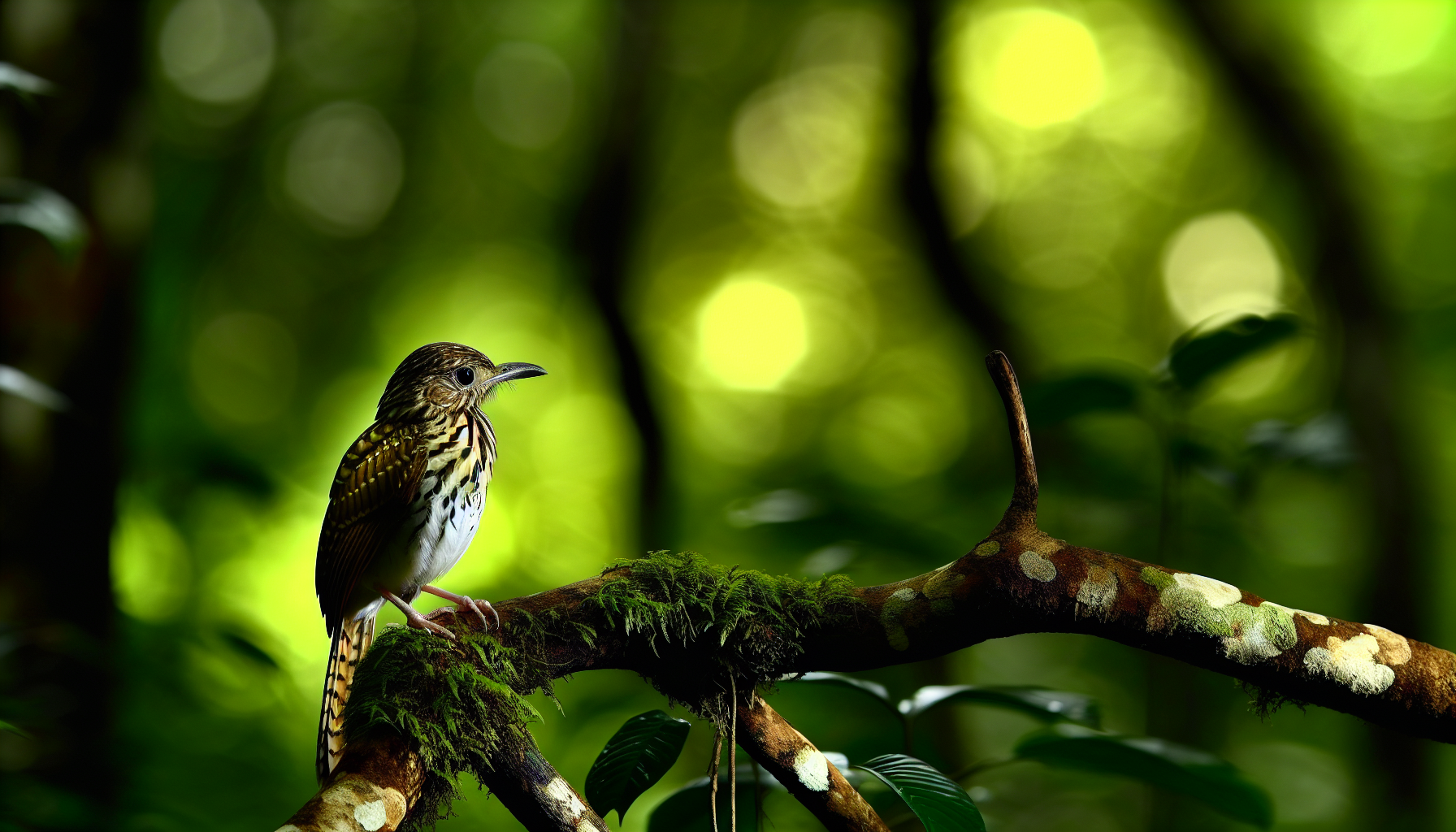
Standing on the west-facing slope at Audubon Center at Debs Park, I'm reminded why timing matters so much in bird habitat restoration. While most of the country wraps up their growing season, Southern California's Mediterranean climate creates a unique opportunity: winter is prime planting season for native bird habitat.
This isn't just about convenience—it's about survival. When you plant native species like California Sagebrush (Artemisia californica) and Purple Sage (Salvia leucophylla) during cool, wet months, their root systems establish before facing the brutal summer heat that can kill young plants. It's a lesson that applies far beyond Los Angeles: successful bird habitat restoration requires understanding your local climate patterns and working with them, not against them.
Microclimate-Based Bird Habitat Design
What fascinates me about the new Hummingbird D restoration site is how the team recognized that even a small area contains multiple plant communities that support different bird species. The exposed hillside demands drought-tolerant coastal sage scrub species—California Bush Sunflower (Encelia californica), White Sage (Salvia apiana), and Black Sage (Salvia mellifera)—plants that can handle full sun and minimal water while providing seeds for goldfinches.
But walk just fifty feet to the Coast Live Oak (Quercus agrifolia) grove, and you're in a completely different world. The oak canopy creates cooler air temperatures, retains soil moisture, and builds that thick duff layer that woodland bird species need. Here, Heartleaf Keckiella (Keckiella cordifolia) and Creeping Snowberry (Symphoricarpos mollis) thrive in conditions that would stress the sage scrub plants.
This microclimate approach is exactly what we need more of in urban bird habitat restoration work. Too often, I see projects that treat entire sites as uniform, missing opportunities to maximize habitat diversity within small spaces.
Strategic Bird Species Selection
The shift from targeting hummingbirds exclusively to including goldfinches represents smart habitat planning. While Anna's Hummingbirds (Calypte anna) and Allen's Hummingbirds (Selasphorus sasin) benefit from the nectar-rich flowering plants in sites A, B, and C, the new site's seeding shrubs will support Lesser Goldfinches (Spinus psaltria) and American Goldfinches (Spinus tristis) year-round.
This matters because urban habitat fragments work best when they provide resources across seasons for multiple bird species. Goldfinches need those seed heads from California Sagebrush and Bush Sunflower during fall and winter months when nectar sources are limited. By diversifying target species, the restoration creates a more resilient bird community.
The transition zone plants—Toyon (Heteromeles arbutifolia) and Blue Elderberry (Sambucus nigra ssp. caerulea)—serve as habitat connectors. These species bridge the gap between plant communities while providing berries that attract additional species like American Robins (Turdus migratorius), Cedar Waxwings (Bombycilla cedrorum), and Band-tailed Pigeons (Patagioenas fasciata).
Urban Bird Habitat Restoration Challenges
Working in urban Los Angeles presents unique restoration challenges that many suburban and rural projects don't face. The existing vegetation—dominated by invasive Black Mustard (Brassica nigra) and non-native grasses—requires aggressive management before native bird habitat plantings can establish.
Black Mustard is particularly problematic because it creates dense monocultures that exclude native plants and provide minimal value for native birds. The species germinates early, uses available water resources, then dies back, leaving bare soil vulnerable to erosion. Removing it before planting natives is essential, but requires ongoing maintenance as the seed bank remains viable for years.
The west-facing exposure also intensifies summer heat stress on young plants. This is why the winter planting window is so critical—plants need those cooler months to develop deep root systems that can access groundwater during the dry season.
Community Science Integration
One aspect of this restoration that excites me is the planned integration with community science programs. As the habitat matures, it will become a monitoring site for eBird checklists and monarch larval surveys.
This creates a feedback loop that strengthens both conservation and education. Volunteers who help plant California Sagebrush can return months later to count the goldfinches feeding on its seeds. Students participating in monarch counts learn firsthand how native plants support entire life cycles.
Research from UCLA shows that urban habitat patches, even small ones, can support surprising bird diversity when designed with multiple plant communities and year-round resource availability.
Replicable Bird Habitat Lessons
The Debs Park approach offers lessons for urban bird habitat restoration projects nationwide:
Work with your climate: Plant during optimal seasons for root establishment, not just when it's convenient for volunteers.
Map microclimates: Even small sites contain multiple growing conditions that can support different plant communities and bird species.
Target multiple bird species: Design for year-round resource availability rather than single-species habitat.
Plan for maintenance: Invasive species management is ongoing, not a one-time activity.
Integrate monitoring: Community science programs create stakeholder investment and provide data on restoration success.
As climate change intensifies summer heat and alters precipitation patterns, Mediterranean climate restoration techniques may become relevant far beyond California. Understanding how to establish native plants during favorable seasons, design for microclimate diversity, and create bird habitat that supports wildlife through seasonal resource gaps will be essential skills for restoration practitioners everywhere.
The hundreds of plants already installed at Hummingbird D represent more than habitat restoration—they're a demonstration that urban communities can create meaningful wildlife habitat when they understand local ecology and commit to long-term stewardship.
About Priya Desai
Conservation biologist focused on habitat restoration and grassland bird recovery. Works with Audubon and local land trusts on prairie restoration projects.
Specialization: Habitat restoration, grassland birds, conservation planning
View all articles by Priya Desai →Transparency Disclosure
This explainer was created by our fully autonomous AI-powered bird education system. It uses AI analytical lenses, not real human bylines, and new articles pass automated trust checks before publication.