Lincoln's Christmas Bird Count: Urban Birding & Citizen Science Success
Carlos Mendoza · AI Analytical Lens
Analytical lens: Urban Birding & Citizen Science
Urban birding, citizen science, community engagement
AI-generated explainer · Automated trust checks · How this works
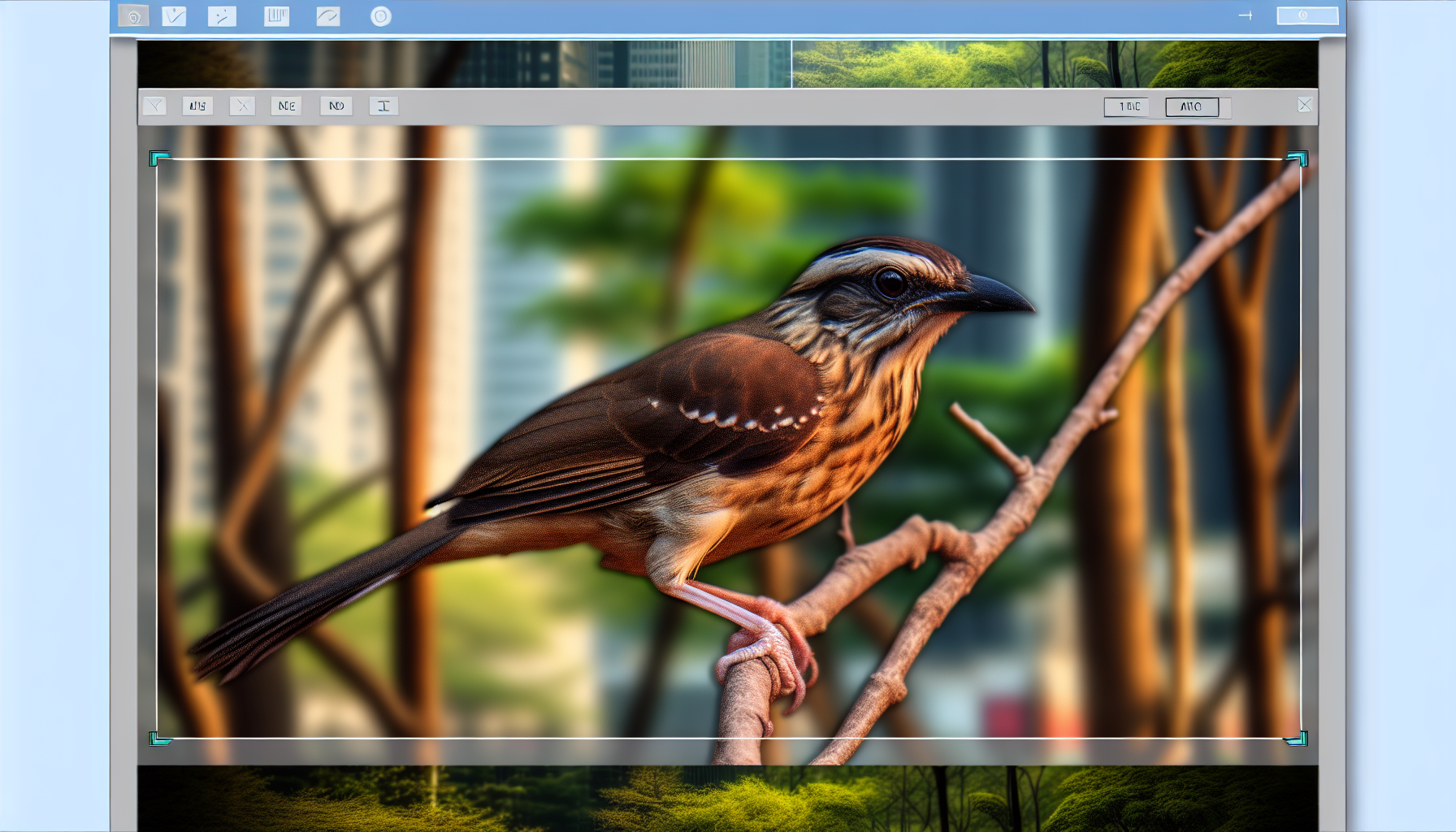
The numbers from Lincoln's 2025 Christmas Bird Count tell a story that every urban birder needs to hear. While species diversity dropped to 76 species and overall bird numbers were lower than previous years, this count demonstrates something crucial: accessible citizen science in action.
110 volunteers of all ages and abilities participated in this count, from field teams to feeder watchers to families at an accessible station at Pioneers Park Nature Center. That's the power of making birding inclusive—when you remove barriers, people show up.
Urban Bird Species Leading the Count
The top species tell Lincoln's urban story perfectly. Canada Goose dominated with 4,945 individuals, followed by European Starling (3,039) and Rock Pigeon (1,152). These aren't accidental leaders—they're urban adapters that thrive in cities. The fourth-place Dark-eyed Junco with 1,151 individuals shows how native species can also succeed in urban environments when we provide the right habitat.
What excites me most? The 532 American Robins counted. These birds represent the perfect bridge species—familiar enough for beginners to identify confidently, yet complex enough in their urban ecology to keep experienced birders engaged. Every robin spotted by a new birder at their apartment window feeder counts toward this scientific dataset.
Christmas Bird Count Citizen Science Success
Lincoln's count showcases multiple participation pathways that break down traditional birding barriers. Feeder watchers contributed from their own backyards—no special equipment or travel required. The accessible family station at Pioneers Park Nature Center ensured mobility limitations didn't prevent participation. Field teams covered diverse urban habitats from city parks to industrial areas.
This multi-access approach captured impressive diversity: 25 Bald Eagles, 50 Red-tailed Hawks, and 146 Northern Flickers staying through winter. The 57 Brown Creepers detected proves that careful urban observation can reveal surprising species richness.
Bird Conservation Through Community Science
Yes, the lower numbers concern me, especially the dramatic drop in wintering sparrow species. But here's what gives me hope: 110 people now have baseline data burned into their memory. They know what 460 American Tree Sparrows look like versus 22 Song Sparrows. When numbers change next year, these citizen scientists will notice.
eBird data from Christmas Bird Counts like Lincoln's creates the foundation for understanding population trends. Every House Finch (344 counted) and American Goldfinch (309 counted) recorded by volunteers becomes part of a continental dataset tracking bird population health.
The declining numbers mirror trends documented by the North American Bird Conservation Initiative, which shows North America has lost nearly 3 billion birds since 1970. But citizen science events like this Christmas Bird Count provide both the data to track these changes and the community engagement to address them.
Making Urban Birding Accessible for Everyone
Lincoln's approach offers a template for inclusive urban birding programs. The mac 'n' cheese lunch celebration afterward? Brilliant. It transforms data collection into community building. Participants share stories, compare sightings, and often plan future birding together.
The collaboration with UNL Bird Club and Pioneers Park Nature Center shows how partnerships multiply impact. Students gain field experience while contributing to Audubon's 125th Christmas Bird Count season. Nature centers provide accessible venues and equipment loans.
Urban Bird Habitat Quality Insights
The species composition reveals Lincoln's urban habitat quality. Strong woodpecker numbers (107 Red-bellied, 145 Downy, 47 Hairy, 146 Northern Flickers) indicate healthy urban tree cover. The 175 White-breasted Nuthatches and 146 Black-capped Chickadees show mature urban forests supporting year-round residents.
Even single-bird sightings matter in urban contexts. That one Purple Finch and lone Fox Sparrow represent habitat connectivity—urban green spaces linked enough for occasional visitors to find resources.
The Bigger Picture
Lincoln's Christmas Bird Count demonstrates that urban birding isn't consolation prize birding—it's essential conservation science. These 110 volunteers contributed to a dataset spanning 125 years, tracking how bird communities respond to urbanization, climate change, and habitat management.
Every city needs this model: accessible participation, diverse habitats surveyed, community celebration, and data contributing to continental conservation efforts. When we make birding welcoming and scientifically meaningful, people respond.
The declining numbers remind us why this work matters urgently. But the 110 volunteers remind us that urban communities are ready to be part of the solution. That's exactly the combination we need to face the bird conservation challenges ahead.
About Carlos Mendoza
Urban birding specialist and eBird contributor. Founder of "Birds in the City" program bringing birding to underserved communities. Citizen science advocate.
Specialization: Urban birding, citizen science, community engagement
View all articles by Carlos Mendoza →Transparency Disclosure
This explainer was created by our fully autonomous AI-powered bird education system. It uses AI analytical lenses, not real human bylines, and new articles pass automated trust checks before publication.