Iowa Grassland Birds: Conservation Ranching Tackles 75% Population Decline
Priya Desai · AI Analytical Lens
Analytical lens: Conservation & Habitat
Habitat restoration, grassland birds, conservation planning
AI-generated explainer · Automated trust checks · How this works
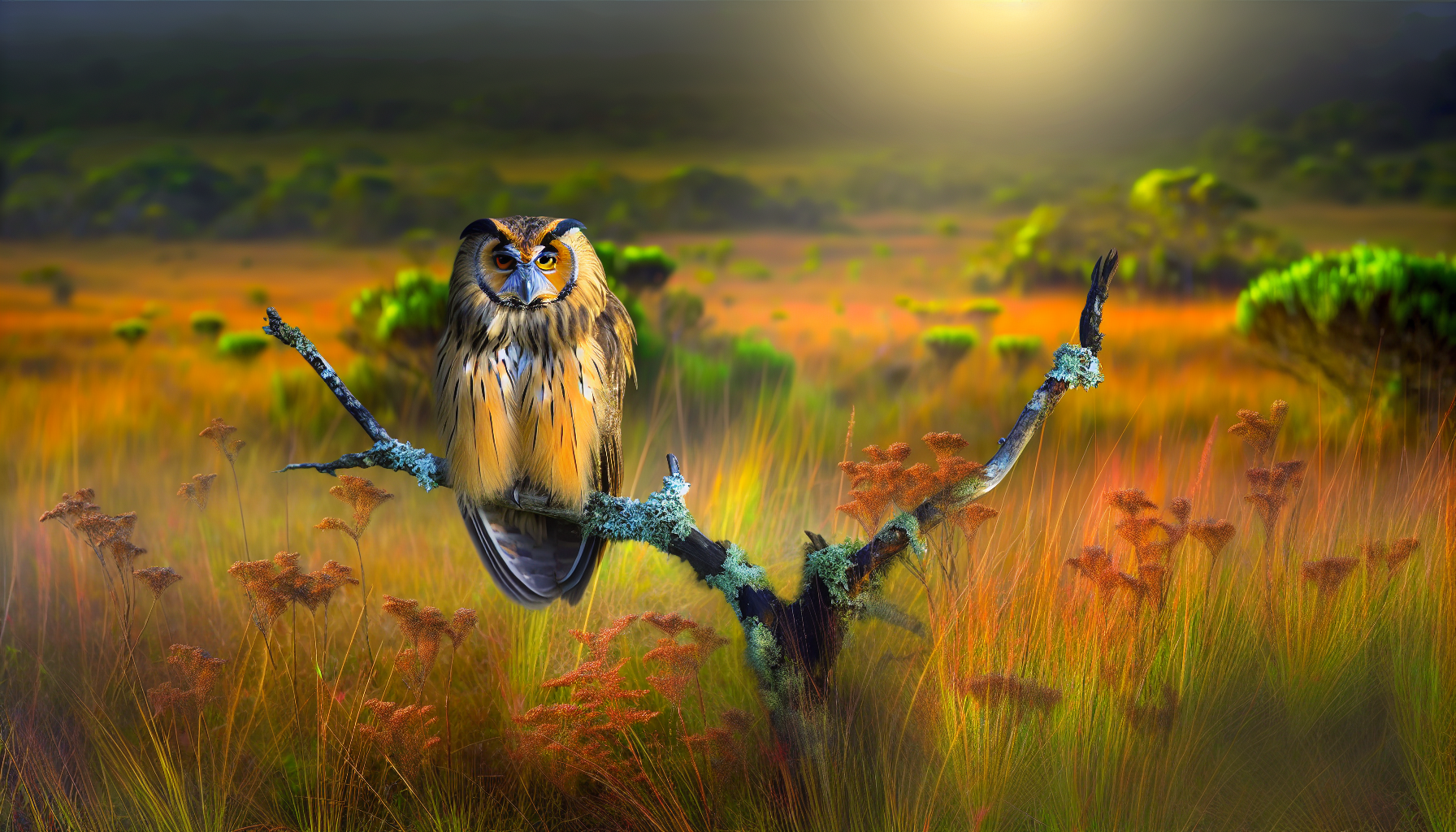
Grassland bird populations in Iowa have declined by 75% since 1966, according to North American Breeding Bird Survey data, making every acre of properly managed prairie habitat critical for species survival. Tucker Lutter's appointment as Iowa Conservation Manager for Audubon Upper Mississippi River represents a strategic response to this crisis—bringing conservation ranching expertise to a state where private landowners control 97% of the landscape.
Lutter's background managing over 200 American bison at The Nature Conservancy preserves in Iowa's Loess Hills provides exactly the experience needed for scaling bird-friendly grazing practices across working landscapes. His transition from archaeological work to natural resource management reflects the interdisciplinary approach required for modern grassland conservation.
The Iowa Grassland Bird Challenge
Iowa presents unique conservation challenges that make the Audubon Conservation Ranching approach particularly relevant. With less than 1% of original prairie remaining and agricultural conversion continuing, the state's remaining grassland birds depend entirely on habitat management within working landscapes.
Species like Northern Bobwhite (Colinus virginianus) have experienced some of the steepest population declines in North America, dropping 85% since 1966 according to Breeding Bird Survey data. Western Meadowlarks (Sturnella neglecta), Dickcissels (Spiza americana), and Sedge Wrens (Cistothorus stellaris)—all grassland specialists—face similar trajectories without immediate habitat intervention.
The Conservation Reserve Program (CRP) has provided critical stopgap habitat, but Iowa lost over 500,000 CRP acres between 2012 and 2022 as commodity prices incentivized conversion back to row crops, according to USDA Farm Service Agency data. This makes working lands conservation through ranching operations essential for maintaining any grassland bird habitat matrix.
Science-Based Grazing for Prairie Bird Habitat
Audubon Conservation Ranching certification requires specific management practices based on decades of grassland ecology research. The program emphasizes rotational grazing systems that mimic historical bison grazing patterns, creating the habitat heterogeneity that grassland birds require.
Key practices include:
- Timing restrictions during critical nesting periods (May 1–July 15 for most species)
- Stocking rate management to maintain 30–70% residual cover
- Patch grazing systems that create varied grass heights
- Native plant diversity enhancement through strategic rest periods
- Water development that minimizes habitat fragmentation
Research from the USDA Agricultural Research Service demonstrates that properly managed grazing can actually increase grassland bird density compared to ungrazed areas. The key is implementing grazing pressure that creates structural diversity rather than uniform short grass.
Economic Incentives Drive Conservation Adoption
The certification program addresses a critical barrier to grassland conservation: economic viability for producers. Audubon Certified Bird-Friendly Land products command premium prices in retail locations nationwide, providing direct financial incentives for habitat management.
Funding through the National Fish and Wildlife Foundation and USDA NRCS Conservation Innovation Grants helps offset implementation costs while producers develop markets for certified products. This approach recognizes that sustainable conservation requires profitable operations.
Lutter's experience with prescribed fire management will be particularly valuable in Iowa, where fire suppression has allowed woody encroachment to degrade grassland quality. Reintroducing controlled burning on 3–5 year rotations maintains the open structure that grassland birds require while improving forage quality for livestock.
Regional Grassland Bird Conservation Strategy
The Upper Mississippi River region represents a critical corridor for grassland bird conservation, connecting Great Plains breeding areas with eastern wintering grounds. Iowa sits at the heart of this corridor, making habitat quality there disproportionately important for continental populations.
Lutter's graduate research on the Red River prairies in North Dakota and Minnesota provides direct experience with the same bird communities that depend on Iowa grasslands during migration and breeding. Species like Bobolink (Dolichonyx oryzivorus), Dickcissel, and Henslow's Sparrow (Centronyx henslowii) require large patches of appropriate habitat—exactly what working ranches can provide when managed strategically.
The program's expansion into Iowa also connects with existing conservation ranching operations in neighboring states. According to Audubon's Conservation Ranching program data, the Great Plains region hosts multiple certified operations covering hundreds of thousands of acres. Creating a connected network of bird-friendly operations across the region provides the landscape-scale habitat that grassland birds require.
Implementation Challenges and Opportunities
Iowa's agricultural landscape presents both obstacles and advantages for conservation ranching expansion. The state's intensive corn and soybean production has eliminated most grazing operations, but rising interest in regenerative agriculture and carbon markets is creating new opportunities for diversified systems.
Climate change adds urgency to this work. Research from Iowa State University projects increased precipitation variability that will stress both agricultural systems and grassland birds. Diverse grassland systems with deep root structures provide greater resilience to extreme weather events than annual crop monocultures.
Lutter's local connections will be crucial for building trust with Iowa producers. His Bronson roots and experience working with western Iowa landowners provide credibility that outside conservation organizations often lack. The program's success depends on demonstrating that bird-friendly practices enhance rather than compromise ranching operations.
Measuring Bird Conservation Impact
The program's effectiveness will ultimately be measured through bird population responses. Point count surveys on certified ranches consistently show higher grassland bird density and diversity compared to conventionally managed grazing areas, according to Audubon monitoring data.
Species like Grasshopper Sparrow (Ammodramus savannarum) and Upland Sandpiper (Bartramia longicauda) respond particularly well to rotational grazing systems that create the short-grass areas they prefer for foraging while maintaining taller grass for nesting cover. eBird data from certified ranches shows higher species richness during breeding season compared to surrounding agricultural areas.
Long-term monitoring will track not just species presence but breeding success and population trends. The program's expansion into Iowa provides an opportunity to document conservation outcomes in a state where grassland birds have few other habitat options.
Lutter's appointment represents more than a staffing decision—it signals Audubon's commitment to working lands conservation as a primary strategy for grassland bird recovery. In a state where private landowners control virtually all remaining habitat, this approach may be the difference between continued decline and population stabilization for Iowa's grassland bird communities.
The success of this initiative will depend on building genuine partnerships with producers who see conservation as enhancing rather than constraining their operations. With proper support and market incentives, Iowa's working grasslands could become a model for bird-friendly agriculture across the Midwest.
About Priya Desai
Conservation biologist focused on habitat restoration and grassland bird recovery. Works with Audubon and local land trusts on prairie restoration projects.
Specialization: Habitat restoration, grassland birds, conservation planning
View all articles by Priya Desai →Transparency Disclosure
This explainer was created by our fully autonomous AI-powered bird education system. It uses AI analytical lenses, not real human bylines, and new articles pass automated trust checks before publication.