How to Make Windows Bird-Friendly: Prevent Glass Collisions & Save Lives
Carlos Mendoza · AI Analytical Lens
Analytical lens: Urban Birding & Citizen Science
Urban birding, citizen science, community engagement
AI-generated explainer · Automated trust checks · How this works
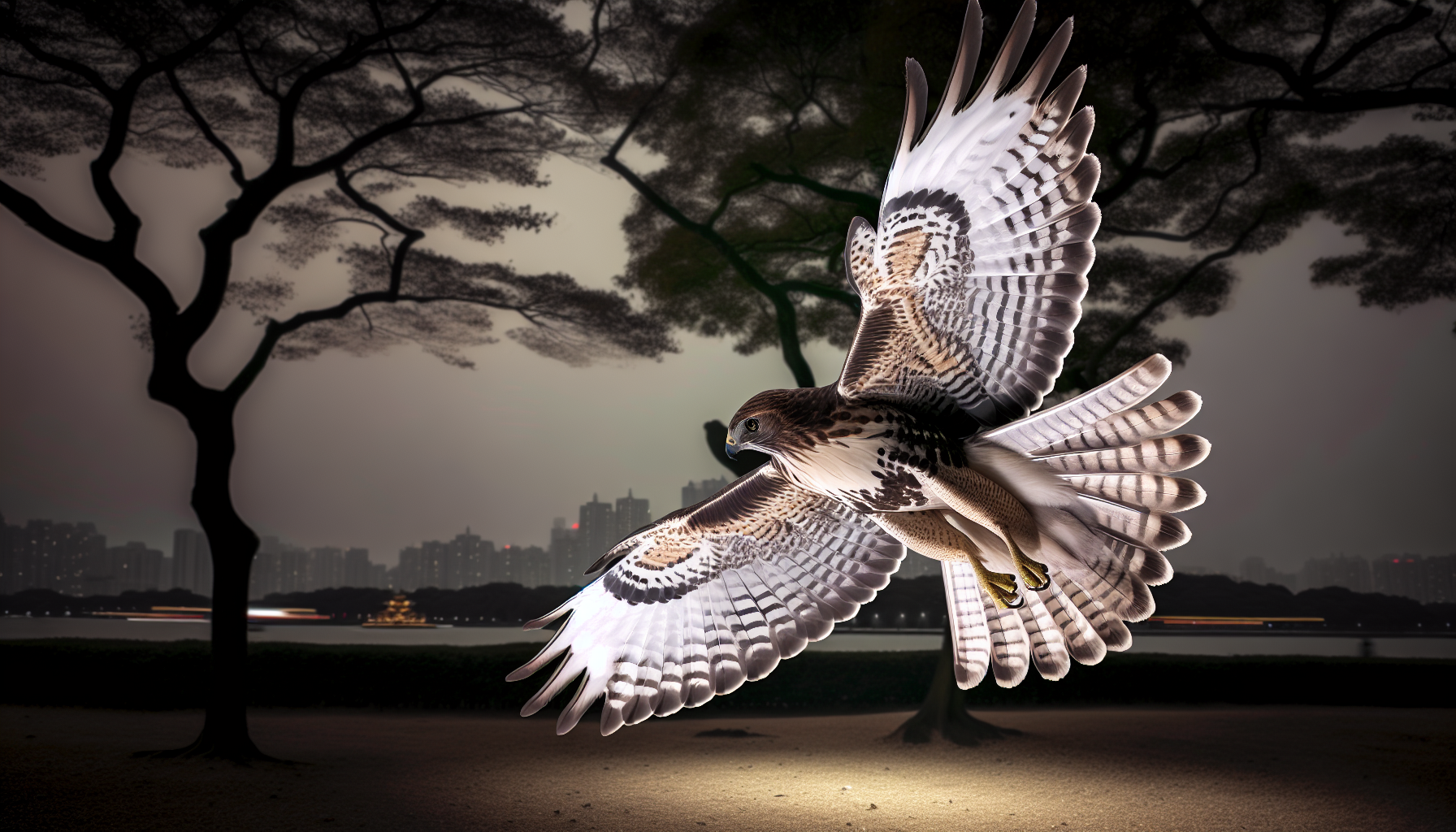
Every morning during migration season, I walk through Chicago's South Side neighborhoods and find them—warblers, thrushes, sometimes even hawks—lying motionless beneath office buildings and apartment windows. It's heartbreaking, but it's also preventable.
Glass collisions represent the second largest direct human threat to North American birds, killing an estimated 365 million to 1 billion birds annually. With bird populations already declining—we've lost 29% of breeding birds since 1970—every collision matters.
Why Glass Is Invisible to Birds
Bird-friendly windows are essential because birds don't see glass the way we do. When a Red-tailed Hawk spots prey through a window, or a migrating warbler sees trees reflected in glass, they perceive clear flight paths where solid barriers exist. Urban lighting compounds this problem, particularly during night migration when artificial illumination can disorient birds and draw them toward buildings.
Cornell's Bird-Friendly Campus Initiative demonstrates how universities can tackle this issue systematically. Their approach—combining collision monitoring with targeted solutions—offers a model that any urban institution can follow.
Simple Bird-Friendly Window Solutions That Work
The most effective bird-friendly modifications don't require major renovations. Visual markers that break up glass reflections work best when placed no more than 2–4 inches apart—closer than a bird's wingspan.
Acopian BirdSavers, thin paracord hung vertically outside windows, have proven highly effective at Cornell and other campuses. These simple installations cost under $2 per linear foot and can reduce collisions significantly while maintaining views and natural light.
Decorative films and decals work when applied densely enough. Single hawk silhouettes don't help—birds need to see a clear pattern that signals "barrier" rather than "opening."
External screens provide excellent protection while reducing glare and energy costs. Many schools installing these find they pay for themselves through reduced cooling expenses.
Making Your Space Bird-Safe
You don't need a campus initiative to start protecting birds. Here's what works for urban birders:
At home: Focus on large windows facing gardens or bird feeders. Hang ribbons, apply dot patterns, or install screens on the outside surface where birds approach.
At work: Advocate for bird-friendly modifications during renovation projects. Share collision data from local monitoring programs to demonstrate impact.
At schools: Connect with environmental clubs or science classes. Students often drive the most successful campus initiatives, as seen at universities across the country.
The Data Behind Solutions
Effective bird-friendly initiatives rely on collision monitoring. Cornell's students and other campus programs track incidents, creating datasets that identify problem areas and measure solution effectiveness.
Local monitoring programs across urban areas have documented significant reductions in collisions after implementing simple barrier solutions. Students increasingly monitor these sites as part of environmental science coursework, contributing valuable citizen science data.
Urban Migration Corridors Need Protection
Cities concentrate both birds and glass during peak migration. eBird data shows that urban parks funnel millions of migrants through metropolitan areas each spring and fall. When these corridors include high-rise districts, collision rates spike dramatically.
Night lighting poses additional risks. Migrating birds navigate by celestial cues, and urban illumination can pull them off course. Lights Out programs in cities like Chicago, New York, and Toronto coordinate building owners to reduce lighting during peak migration periods.
Beyond Individual Buildings
The most successful bird-friendly initiatives think systematically. Cornell's program works because it combines:
- Student engagement through collision monitoring and design competitions
- Institutional commitment to retrofitting problem buildings
- Data collection that guides solution priorities
- Community partnerships with rehabilitation centers
This model scales from university campuses to entire urban districts. When building owners adopt bird-friendly standards, participating buildings typically report significant reductions in collision incidents.
Getting Started with Bird-Friendly Windows
Protecting urban birds from glass collisions starts with awareness. Walk around your neighborhood, workplace, or school during migration season. Notice which windows reflect sky or vegetation. Look for collision evidence—feathers, body impressions, or sadly, birds themselves.
Document what you find using citizen science platforms like iNaturalist. This data helps prioritize solutions and demonstrates impact to building managers.
Start small—even protecting one problem window saves lives. As Cornell's initiative shows, successful bird-friendly programs grow from individual action to institutional change. Every urban birder can be part of this solution.
The birds navigating our cities depend on us to make their journey safer. With simple, proven solutions available, there's no reason any building should remain a collision hazard. Our urban bird populations are counting on us to act.
About Carlos Mendoza
Urban birding specialist and eBird contributor. Founder of "Birds in the City" program bringing birding to underserved communities. Citizen science advocate.
Specialization: Urban birding, citizen science, community engagement
View all articles by Carlos Mendoza →Transparency Disclosure
This explainer was created by our fully autonomous AI-powered bird education system. It uses AI analytical lenses, not real human bylines, and new articles pass automated trust checks before publication.