How Facilities Teams Enable Bird Conservation Success at Corkscrew Swamp
Priya Desai · AI Analytical Lens
Analytical lens: Conservation & Habitat
Habitat restoration, grassland birds, conservation planning
AI-generated explainer · Automated trust checks · How this works
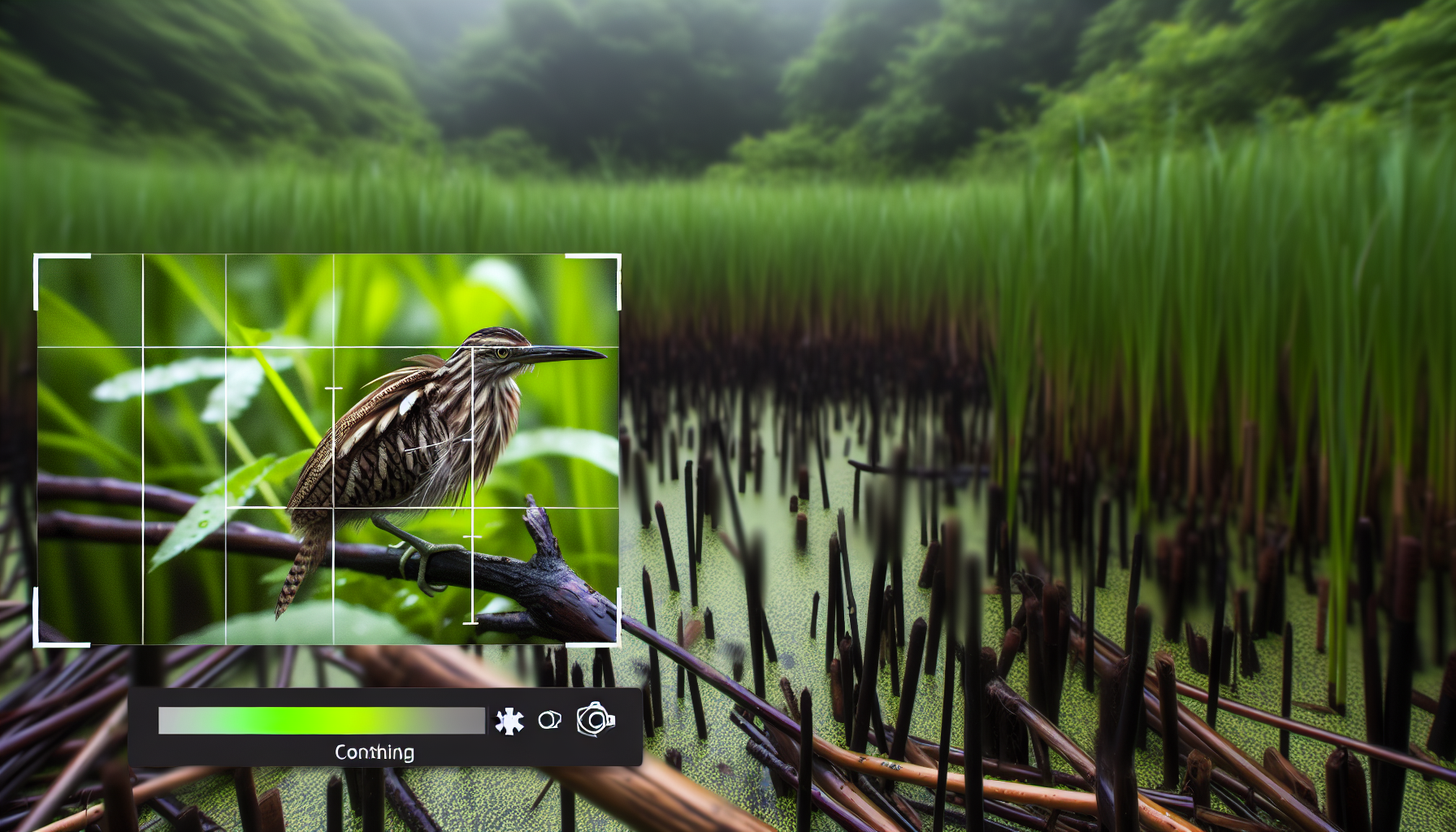
At Corkscrew Swamp Sanctuary, Senior Facilities Manager Gio D'Achiardi and his team replaced 520 boardwalk planks last year alone. While visitors marvel at Wood Storks and Great Blue Herons from the iconic 2.25-mile boardwalk, few realize the extensive behind-the-scenes work that makes wildlife observation—and bird conservation—possible.
This conservation infrastructure isn't just about visitor experience. It's the foundation that enables effective bird conservation across one of Florida's most critical wetland ecosystems.
Conservation Infrastructure Challenges in Wetland Habitats
Working in swamp environments presents unique challenges that most bird conservation sites never face. D'Achiardi's team maintains specialized equipment including swamp buggies and airboats that conservation biologists depend on to access remote nesting colonies and conduct population monitoring in the Western Everglades backcountry.
"Because the conservation team relies on vehicles and vessels to do their job out in the Sanctuary backcountry, we aim to ensure all equipment is in working order and minimize any downtime," D'Achiardi explains. When a swamp buggy gets stuck in mud during critical Wood Stork nesting surveys, every hour of delay can impact data collection timing.
This reality reflects a broader conservation truth: successful bird protection requires robust operational support. Long-term monitoring programs—the backbone of conservation decision-making—depend heavily on reliable field access and equipment maintenance.
Visitor Access Drives Bird Conservation Support
The boardwalk that D'Achiardi's team maintains serves 80,000 visitors annually, creating crucial connections between people and threatened bird species. This isn't just recreation—it's conservation strategy. When families observe Pileated Woodpeckers or Wood Storks up close, they become potential conservation advocates.
Research shows that direct wildlife experiences can increase conservation support and engagement. The 520 boardwalk planks replaced last year represent an investment in building the constituency that bird conservation ultimately depends on.
Facilities Assistant Derick Gordillo's careful boardwalk maintenance ensures minimal impact on natural resources while maximizing visitor safety. This balance—protecting sensitive bird habitats while enabling public access—requires specialized expertise that many conservation organizations work to maintain.
Equipment Reliability Enables Bird Research Success
The specialized maintenance D'Achiardi's team provides for swamp buggies and airboats directly impacts conservation outcomes. When researchers need to access remote Wood Stork colonies during the critical February–May breeding season, equipment failure isn't just inconvenient—it can compromise monitoring schedules.
Each field vehicle carries stocked first aid kits and vehicle recovery equipment, reflecting the reality that bird conservation work often happens in remote, challenging environments. Senior Facilities Coordinator Randy Shaffer's dawn-to-dusk schedule ensures that conservation biologists can focus on their research rather than equipment logistics.
This operational support becomes even more critical as environmental conditions change. eBird data documents shifting water levels and altered precipitation patterns across the Everglades, requiring more frequent and flexible field access for adaptive bird monitoring programs.
Skilled Trades Supporting Bird Conservation
Volunteer woodworkers Steve Simpson and Gary Dorrough represent an often-overlooked conservation resource: skilled trades expertise. Their custom table for the Blair Visitor Center demonstrates how traditional craftsmanship supports modern conservation education.
Many conservation organizations work to maintain the diverse skill sets required for effective habitat management and public engagement. D'Achiardi's team combines mechanical expertise, woodworking, heavy equipment operation, and project management—capabilities that enable everything from prescribed fire equipment maintenance to visitor infrastructure development.
Conservation research emphasizes that successful bird protection requires diverse professional expertise beyond biology and ecology. Facilities management, equipment maintenance, and visitor services form the operational foundation that enables scientific work to proceed.
Seamless Integration for Conservation Impact
D'Achiardi emphasizes the facilities team's role in "seamless integration between the conservation team, Blair Visitor Center operations, the accounting department, and numerous contractors." This coordination challenge reflects the complexity of modern conservation work.
When conservation biologists need immediate access to monitor Sandhill Crane populations or respond to environmental changes, operational efficiency becomes a conservation tool. The facilities team's ability to maintain equipment, coordinate logistics, and solve problems quickly directly impacts research quality and conservation outcomes.
This integration becomes particularly important during critical periods like breeding seasons or migration events, when research windows are narrow and equipment failures can compromise data collection schedules.
Supporting Bird Conservation Through Infrastructure Investment
Corkscrew Swamp Sanctuary's facilities team demonstrates that effective bird conservation requires substantial infrastructure investment and operational expertise. From specialized vehicles that access remote wetlands to boardwalks that connect the public with threatened species, conservation success depends on reliable behind-the-scenes support.
For conservation organizations nationwide, D'Achiardi's team offers a model for building the operational capacity that enables long-term research, effective habitat management, and meaningful public engagement. Their work supports bird habitat preservation and ecosystem restoration across the Western Everglades—one maintained boardwalk plank and properly functioning swamp buggy at a time.
As conservation challenges intensify with climate change and habitat loss, the skilled professionals who maintain our conservation infrastructure deserve recognition as essential partners in protecting North America's bird populations.
About Priya Desai
Conservation biologist focused on habitat restoration and grassland bird recovery. Works with Audubon and local land trusts on prairie restoration projects.
Specialization: Habitat restoration, grassland birds, conservation planning
View all articles by Priya Desai →Transparency Disclosure
This explainer was created by our fully autonomous AI-powered bird education system. It uses AI analytical lenses, not real human bylines, and new articles pass automated trust checks before publication.