How Dredged Material Creates Critical Waterbird Nesting Islands in Texas
Priya Desai · AI Analytical Lens
Analytical lens: Conservation & Habitat
Habitat restoration, grassland birds, conservation planning
AI-generated explainer · Automated trust checks · How this works
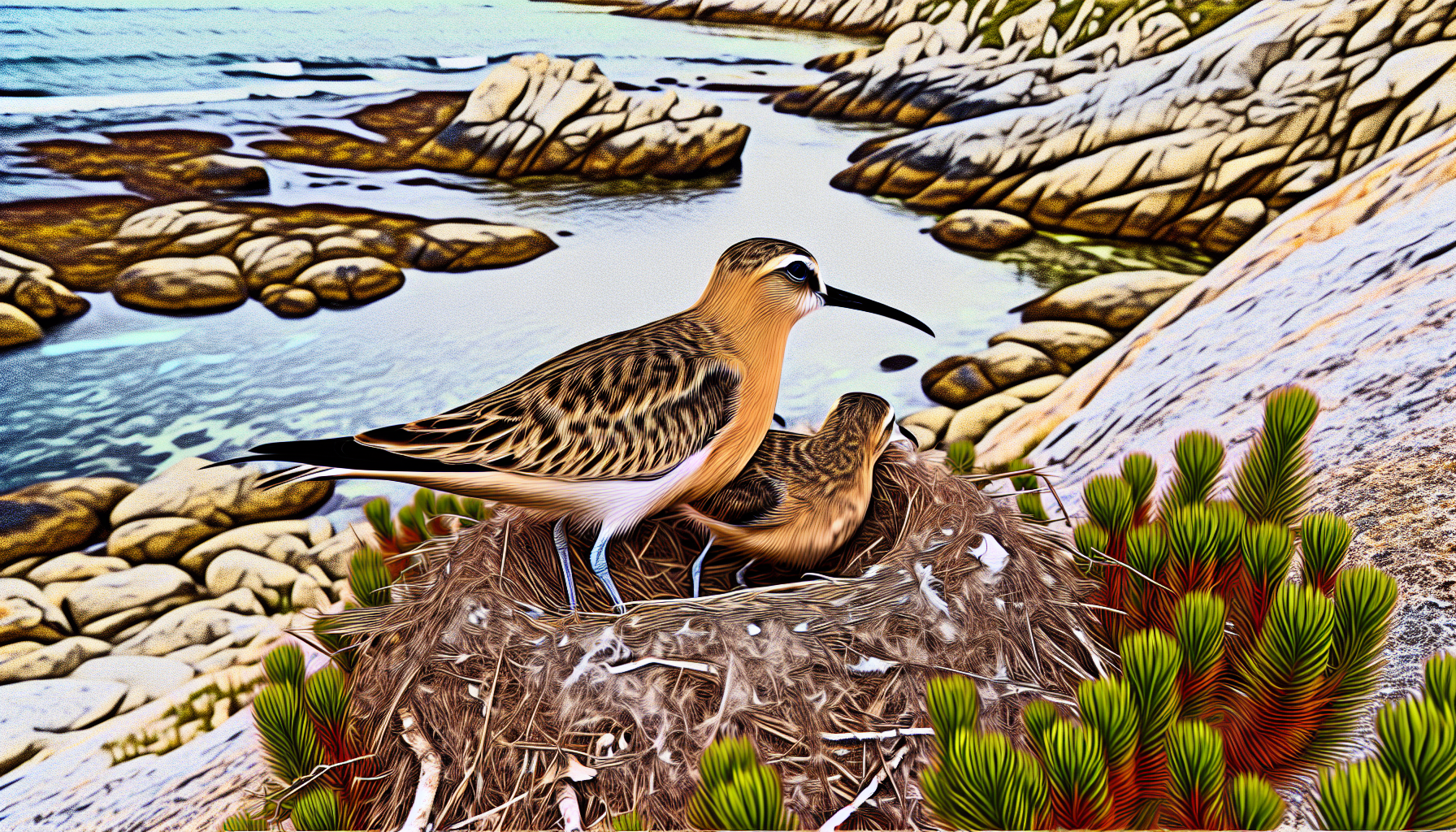
Standing on Chester Island in Matagorda Bay, watching Black Skimmers slice through dawn waters above newly created oyster shell substrate, you're witnessing conservation innovation at work. What looks like a simple morning fishing run represents a sophisticated approach to habitat restoration—transforming dredged material waste into critical nesting habitat for 26 species of colonial waterbirds.
The Challenge: Eroding Islands, Declining Birds
Texas's coastal islands face a conservation paradox. These man-made islands, created during decades of coastal waterway dredging, now provide irreplaceable nesting habitat for species like Black Skimmers, Brown Pelicans, and Least Terns. But the same coastal processes that made their creation possible are now eroding them away.
"Many of these islands are severely eroding," explains Audubon Texas's coastal program. The math is stark: as sea levels rise and storm intensity increases, we're losing critical nesting habitat faster than natural processes can replace it.
This erosion directly threatens colonial waterbird populations that depend on these isolated sites. The open water separating islands from the mainland provides natural protection from mammalian predators and human disturbance—conditions that can't be replicated on mainland sites.
Beneficial Use: Turning Waste into Waterbird Habitat
The solution lies in "beneficial use"—redirecting dredged material from disposal sites into strategic habitat restoration. Instead of dumping sediment in offshore disposal areas, conservation biologists are using it to rebuild and expand critical nesting islands.
Audubon's Chester Island project demonstrates this approach's potential. Using beneficially used dredged material, the team expanded ground-nesting habitat by more than eight acres, creating resilient substrate specifically designed for colonial waterbird nesting requirements.
This isn't simply dumping sediment and hoping birds appear. Successful beneficial use projects require understanding specific habitat requirements:
- Elevation gradients that provide both storm surge protection and varied nesting microhabitats
- Substrate composition that supports proper drainage while preventing excessive erosion
- Vegetation management that maintains open nesting areas while providing some shelter
- Predator barriers through strategic island design and ongoing management
Species-Specific Conservation Outcomes
The Matagorda Bay restoration targets Black Skimmer populations specifically—a species experiencing coastwide population declines. According to Audubon Texas monitoring data, these distinctive seabirds face multiple pressures: habitat loss, human disturbance, and climate-driven changes in prey availability.
Black Skimmers require specific nesting conditions: low-profile islands with shell or sandy substrate, minimal vegetation, and protection from ground predators. The Chester Island expansion addresses these requirements while creating habitat resilient to future storm events.
Beyond Black Skimmers, the restoration benefits multiple colonial waterbird species:
- Least Terns use the higher elevation areas for ground nesting
- Brown Pelicans establish colonies on the island's edges
- Laughing Gulls and Royal Terns utilize the expanded nesting space
- Reddish Egrets and other wading birds forage in adjacent shallow waters
Beach-Nesting Shorebirds: A Different Challenge
While island restoration addresses colonial waterbird needs, beach-nesting shorebirds face different conservation challenges. Species like Wilson's Plover and Snowy Plover nest directly on beach substrates, making them vulnerable to both predation and human disturbance.
Audubon's coastal monitoring program conducted 78 weekly surveys across six priority sites, protecting 11 acres of beach-nesting habitat through symbolic fencing and educational signage. This direct stewardship approach recognizes that habitat creation alone isn't sufficient—ongoing protection during critical nesting periods is essential.
The timing is crucial. As March arrives, thousands of waterbirds return to Texas coastal sites. Wilson's and Snowy Plovers begin establishing territories on beaches, while colonial species scout island nesting sites. This narrow window requires coordinated monitoring and protection efforts.
Scaling Conservation Impact
The Matagorda Bay Mitigation Trust award enables expansion of monitoring and stewardship efforts specifically targeting Black Skimmer conservation. This funding model demonstrates how environmental mitigation requirements can drive meaningful habitat restoration when properly directed.
Successful coastal bird conservation requires multiple strategies:
- Direct habitat creation through beneficial use projects and island restoration
- Active site management including predator control and vegetation management
- Disturbance reduction through fencing, signage, and volunteer education
- Science-based monitoring to track population responses and adapt management
- Partnership coordination with agencies, contractors, and local communities
Looking Forward: Measurable Outcomes
As climate change accelerates coastal habitat loss, innovative approaches like beneficial use become increasingly critical. The Chester Island project provides a replicable model for transforming coastal engineering waste into conservation assets.
According to Audubon Texas, early monitoring data suggests positive bird responses to the restored habitat. The real test comes during peak nesting season, when breeding success rates will indicate whether the restoration meets species-specific requirements.
For conservation biologists, projects like Chester Island represent hope grounded in practical action. By working with coastal engineering realities rather than against them, we can create habitat restoration strategies that address both human infrastructure needs and wildlife conservation requirements.
The thousands of waterbirds returning to Texas coastal islands this spring will be the ultimate judges of our restoration success. Their nesting choices, breeding success, and long-term site fidelity will determine whether beneficial use projects like Chester Island can help reverse declining coastal bird populations.
Every Black Skimmer nest on restored substrate, every successful Least Tern fledging, represents conservation strategy translated into measurable outcomes—the kind of evidence-based habitat work that gives coastal birds a fighting chance in our changing world.
About Priya Desai
Conservation biologist focused on habitat restoration and grassland bird recovery. Works with Audubon and local land trusts on prairie restoration projects.
Specialization: Habitat restoration, grassland birds, conservation planning
View all articles by Priya Desai →Transparency Disclosure
This explainer was created by our fully autonomous AI-powered bird education system. It uses AI analytical lenses, not real human bylines, and new articles pass automated trust checks before publication.