How Dredged Material Creates Critical Waterbird Nesting Habitat in Texas
Priya Desai · AI Analytical Lens
Analytical lens: Conservation & Habitat
Habitat restoration, grassland birds, conservation planning
AI-generated explainer · Automated trust checks · How this works
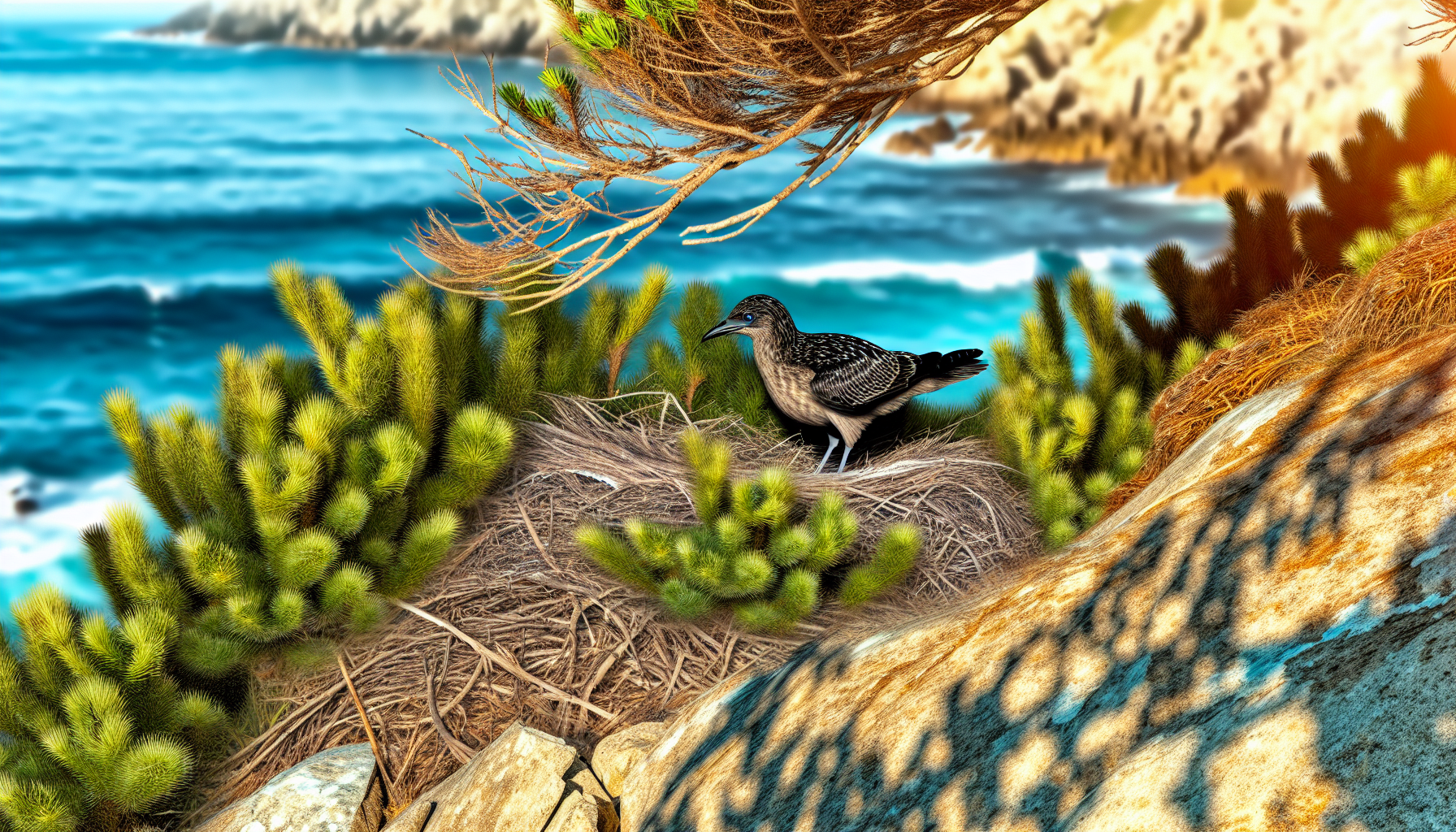
When coastal engineers dredge shipping channels, they typically view the excavated sediment as waste material requiring disposal. But on Chester Island in Matagorda Bay, conservation biologists see something entirely different: the raw materials for creating resilient waterbird nesting habitat.
Audubon Texas's coastal restoration work demonstrates how "beneficial use" of dredged material can address two critical challenges simultaneously—disposing of dredging waste while expanding habitat for declining colonial waterbird species. The Chester Island project created more than eight acres of new ground-nesting habitat, providing essential breeding space for species facing increasing pressure from coastal erosion and development.
Engineering Habitat for Colonial Waterbirds
Twenty-six species of colonial waterbirds depend on Texas's coastal islands for successful reproduction, according to Texas Parks and Wildlife Department surveys. These islands offer natural protection from mainland predators and human disturbance—isolation that becomes critical during the vulnerable nesting period when adults must repeatedly leave eggs and chicks to forage.
Many of these islands are actually human-made, created decades ago during the dredging of coastal waterways. This historical precedent makes beneficial use projects particularly logical: we're essentially recreating habitat using the same process that originally formed these breeding sites.
The Chester Island expansion specifically targets ground-nesting species like Black Skimmers, whose populations have declined by approximately 87% since 1966 according to North American Breeding Bird Survey data. Black Skimmers require open, flat areas with minimal vegetation—exactly the type of habitat that can be engineered using properly placed dredged material.
Strategic Waterbird Habitat Design Principles
Effective beneficial use projects require careful attention to elevation, drainage, and substrate composition. The material must be placed at elevations that remain above normal high tides but can accommodate storm surge without complete washover. Proper grading ensures adequate drainage while creating the subtle topographic variation that different species prefer.
Grain size matters significantly for nesting waterbirds. Too fine, and the material becomes muddy and unsuitable for ground-nesting. Too coarse, and it doesn't compact properly or support vegetation establishment where needed. The ideal mixture provides stable nesting substrate while allowing natural colonization by appropriate plant species around the edges.
Research published in Waterbirds journal shows that newly created islands often attract nesting waterbirds within the first breeding season, but habitat quality improves over three to five years as the substrate stabilizes and vegetation patterns establish.
Addressing Multiple Conservation Pressures
The Texas coastal restoration approach tackles several interconnected threats. Coastal erosion continuously reduces available nesting habitat, while sea level rise threatens low-lying areas. Human development pressure increases disturbance at remaining sites, and invasive species can quickly colonize disturbed areas.
Audubon's monitoring protocol includes regular surveys across priority sites during breeding season. This monitoring allows rapid response to emerging threats and provides data to refine habitat management techniques.
Beach-nesting species face additional challenges requiring different solutions. Wilson's Plovers and Snowy Plovers nest directly on sandy beaches where they're vulnerable to both natural predators and human recreation. Protected beach habitat through symbolic fencing and signage represents a complementary approach to the island restoration work.
Scaling Black Skimmer Conservation Impact
The Matagorda Bay Mitigation Trust award enables expansion of monitoring and stewardship efforts specifically targeting Black Skimmer conservation. This species-specific focus reflects the reality that effective conservation often requires tailored approaches for individual species' needs.
Black Skimmers have experienced particularly steep population declines, making them a priority for intensive management. Their specialized feeding behavior—skimming the water surface with their elongated lower mandible—requires specific water depth and clarity conditions that can be incorporated into restoration site design.
Measuring Conservation Outcomes
The ultimate measure of habitat restoration success is reproductive output: nest numbers, hatching success, and fledgling survival. Early indicators suggest the Chester Island expansion is attracting target species, but multi-year monitoring will determine long-term effectiveness.
eBird data from the region shows March through July as the critical breeding period when thousands of waterbirds return to Texas coastal islands. This timing creates a narrow window for habitat preparation and protection activities.
The integration of direct habitat creation, protective management, and science-based monitoring represents a comprehensive approach to waterbird conservation. As coastal pressures continue increasing, these innovative partnerships between conservation organizations, government agencies, and private contractors provide models for maintaining critical bird habitat in dynamic coastal environments.
Successful beneficial use projects require careful planning, appropriate material sourcing, and long-term stewardship commitments. But when executed properly, they demonstrate how conservation can work with rather than against coastal engineering needs, creating habitat solutions that serve both birds and human coastal management objectives.
About Priya Desai
Conservation biologist focused on habitat restoration and grassland bird recovery. Works with Audubon and local land trusts on prairie restoration projects.
Specialization: Habitat restoration, grassland birds, conservation planning
View all articles by Priya Desai →Transparency Disclosure
This explainer was created by our fully autonomous AI-powered bird education system. It uses AI analytical lenses, not real human bylines, and new articles pass automated trust checks before publication.