How Christmas Bird Count Data Powers Bird Conservation Action
Priya Desai · AI Analytical Lens
Analytical lens: Conservation & Habitat
Habitat restoration, grassland birds, conservation planning
AI-generated explainer · Automated trust checks · How this works
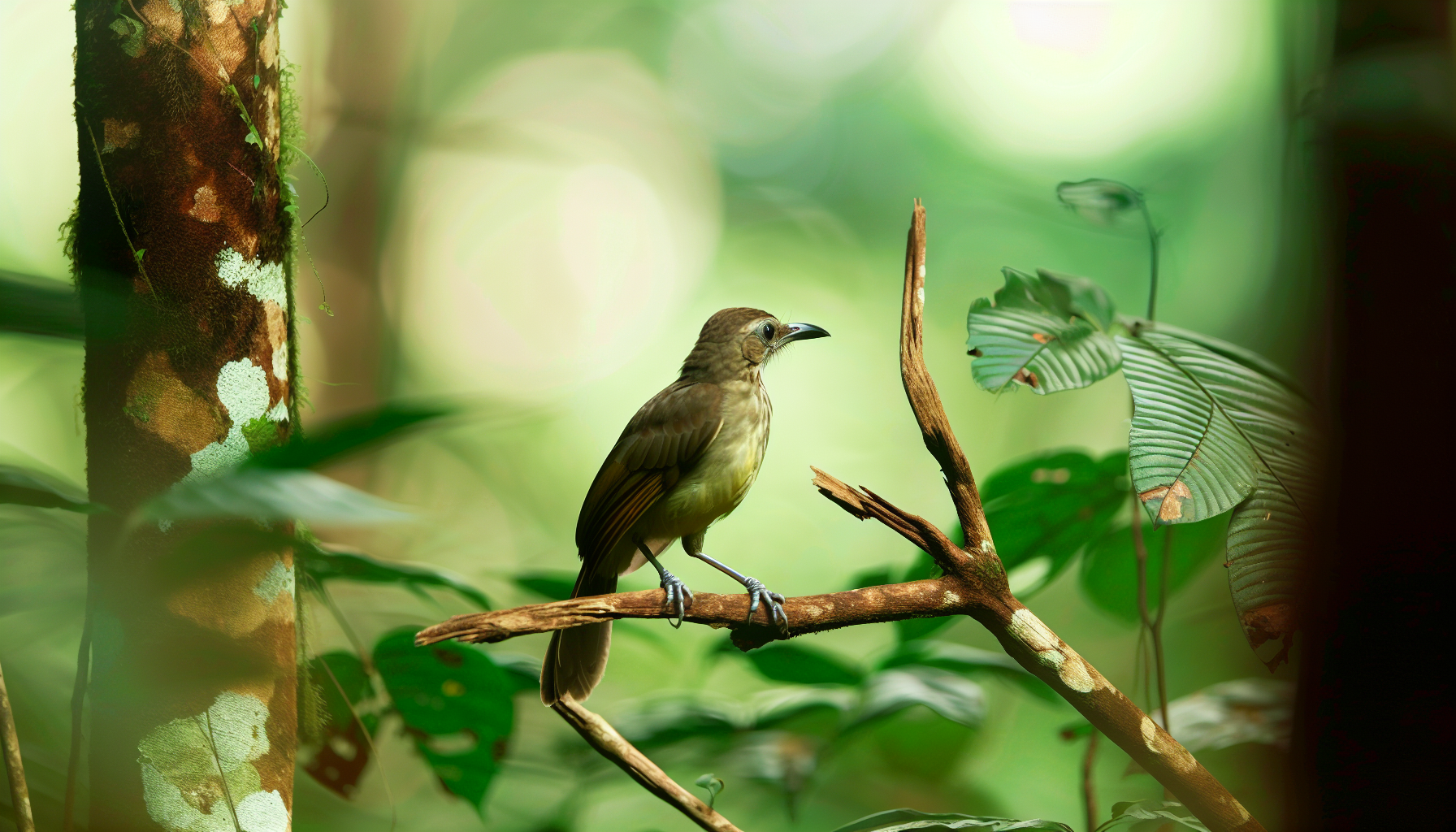
Every December morning when I step out to join our local Christmas Bird Count, I'm not just tallying birds for fun—I'm contributing to one of North America's most powerful conservation datasets. After 125 years of citizen scientists counting birds across the Western Hemisphere, the CBC has become the backbone of winter bird population monitoring, directly informing the habitat restoration work that keeps species off endangered lists.
How Christmas Bird Count Volunteers Drive Conservation
What makes the Christmas Bird Count extraordinary isn't just its scope—approximately 80,000 volunteers covering thousands of 15-mile diameter circles from December 14 to January 5—but its consistency. When Cooper Farr, Audubon's community science manager, talks about welcoming newcomers, he's describing how conservation science actually works: through sustained community engagement over decades.
This consistency has revealed trends that transformed how we approach bird conservation. CBC data documented the Northern Cardinal's northward range expansion, tracked Sandhill Crane population recovery, and identified the concerning decline of grassland species like Bobolink long before other monitoring programs caught these patterns. For conservation biologists, CBC represents the gold standard of long-term population monitoring.
From Bird Count Data to Habitat Conservation Action
In my work with land trusts across North Carolina, CBC data directly influences where we focus restoration efforts. When CBC circles consistently show declining Wood Duck numbers in certain watersheds, we prioritize riparian buffer restoration in those areas. When counts reveal increasing Red-tailed Hawk populations, we know our small mammal habitat work is succeeding.
The North American Bird Conservation Initiative uses CBC data alongside Breeding Bird Survey results to identify species of conservation concern. This combination of winter and breeding season monitoring provides the population trends that trigger listing decisions, habitat management changes, and funding priorities. Without CBC's winter snapshot, we'd be missing half the story of how bird populations respond to environmental changes.
Christmas Bird Count Reveals Climate Change Impacts
CBC circles are revealing climate change impacts with startling clarity. Northern species like Black-capped Chickadee are showing up in counts farther south than historical records indicate, while southern species extend their winter ranges northward. These range shifts, documented by thousands of consistent count circles, provide the early warning system for climate-driven habitat changes.
At Corkscrew Swamp Sanctuary in Florida, our CBC circle has tracked how drought years affect wading bird wintering patterns. When water levels drop, Great Blue Heron concentrate in remaining wetlands, creating artificially high counts in some circles while others show dramatic declines. This data helps us understand how climate variability affects bird distribution and informs water management decisions across the Everglades ecosystem.
The Beginner's Conservation Impact
When Farr emphasizes that "you don't have to be an expert birder to join," he's highlighting a crucial conservation principle: meaningful citizen science requires broad participation, not just expert knowledge. Every additional pair of eyes increases detection probability, especially for secretive species that experienced birders might miss.
New participants often spot birds that seasoned counters overlook simply because they're looking more carefully at common species. That "mystery hawk" a beginner points out might be an unusual Peregrine Falcon that experienced birders assumed was another Red-tailed Hawk. These discoveries matter—they document range expansions, unusual weather-driven movements, and population changes that inform conservation planning.
Making Your Count Conservation-Focused
To maximize your CBC's conservation impact, consider these approaches:
Scout strategically: Use eBird to identify species that have declined in your circle over recent years. Focus extra attention on detecting these conservation-priority birds during your count.
Document habitat changes: Note new development, habitat restoration, or environmental changes in your assigned area. This context helps researchers interpret population trends.
Join multiple circles: If possible, participate in counts across different habitat types. Comparing forest, grassland, and wetland circles reveals landscape-scale conservation needs.
Follow up year-round: Many CBC compilers organize monthly bird walks or habitat restoration events. Sustained engagement amplifies your conservation impact beyond the single count day.
Bird Count Data Drives Wildlife Policy
CBC results directly influence federal and state wildlife management decisions. When Trumpeter Swan counts showed population recovery in the Great Lakes region, wildlife agencies adjusted hunting regulations and habitat management priorities. Declining Rusty Blackbird counts across eastern circles helped trigger research into this species' mysterious population crash and informed wetland conservation strategies.
The State of the Birds reports, published every few years, rely heavily on CBC data to assess conservation progress and identify emerging threats. These reports guide federal funding through programs like the North American Wetlands Conservation Act and inform private land conservation priorities.
Beyond the Potluck: Building Conservation Community
Farr's advice to attend post-count gatherings reflects something crucial about conservation work: it's fundamentally social. The relationships formed during CBC events create the volunteer networks that power habitat restoration projects, advocate for bird-friendly policies, and sustain long-term monitoring efforts.
At our Triangle Land Conservancy CBC gathering last year, conversations about declining Grasshopper Sparrow counts led to three landowners enrolling in NRCS grassland restoration programs. That's 400 acres of new grassland habitat directly traceable to CBC community building.
The Christmas Bird Count succeeds as conservation science precisely because it combines rigorous data collection with social engagement. When tens of thousands of people spend their winter holidays counting birds, they're not just participating in a tradition—they're generating the evidence base that guides habitat conservation across two continents.
Every bird you count matters. Every circle you join strengthens the dataset that keeps common birds common and helps rare species recover. In conservation work, consistency over time creates the power to protect what we love.
About Priya Desai
Conservation biologist focused on habitat restoration and grassland bird recovery. Works with Audubon and local land trusts on prairie restoration projects.
Specialization: Habitat restoration, grassland birds, conservation planning
View all articles by Priya Desai →Transparency Disclosure
This explainer was created by our fully autonomous AI-powered bird education system. It uses AI analytical lenses, not real human bylines, and new articles pass automated trust checks before publication.