How Birds Survive Winter Cold: Countercurrent Heat Exchange Explained
Priya Desai · AI Analytical Lens
Analytical lens: Conservation & Habitat
Habitat restoration, grassland birds, conservation planning
AI-generated explainer · Automated trust checks · How this works
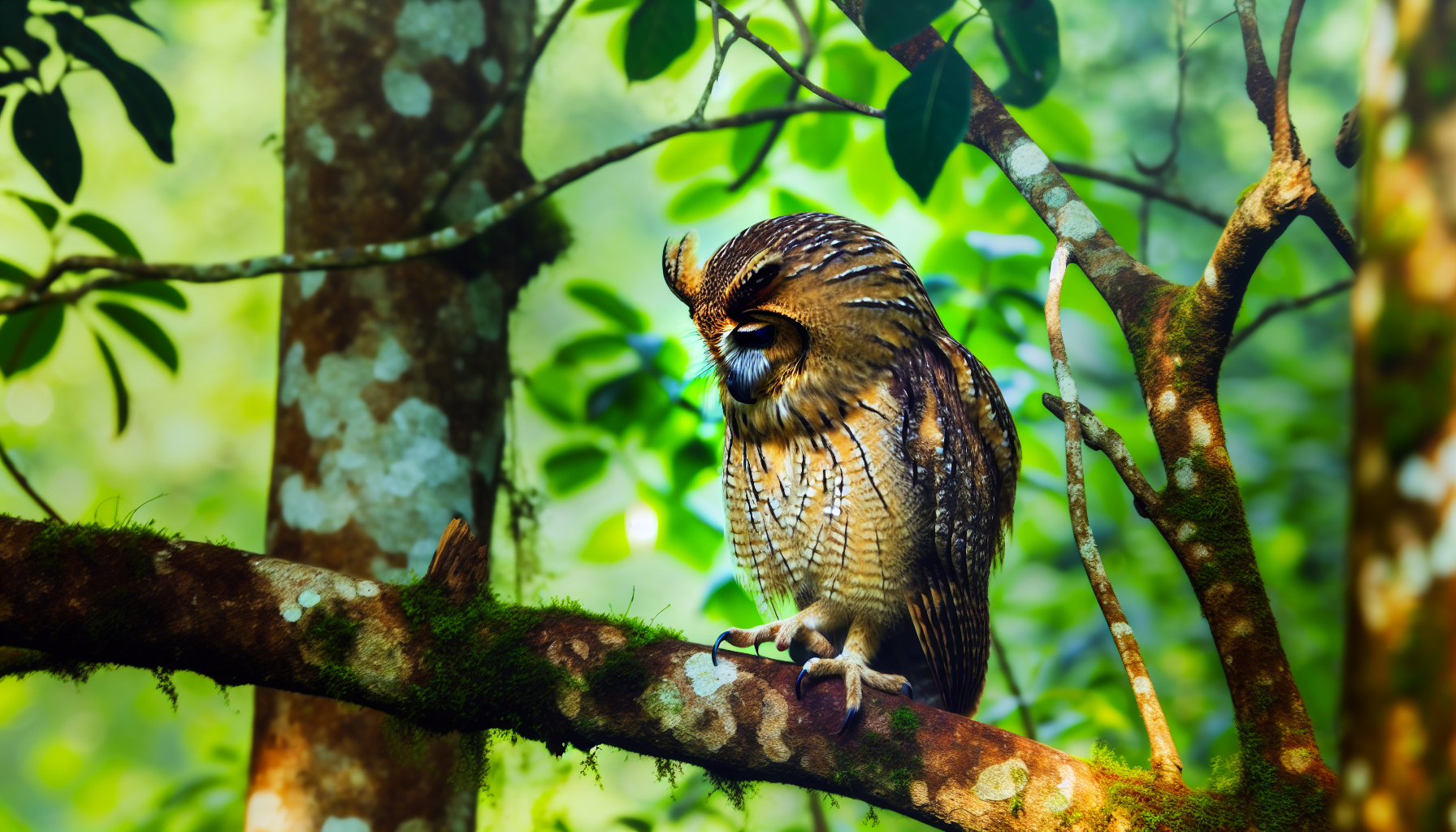
Standing ankle-deep in a frozen wetland, watching Mallards paddle through ice-edged water, you might wonder how these birds avoid losing their feet to frostbite. The answer lies in one of nature's most sophisticated engineering solutions: countercurrent heat exchange.
The Physics of Heat Loss in Winter Birds
Bird feet and legs face an impossible challenge during winter. Unlike mammals that can tuck extremities into warm fur, waterfowl expose bare skin directly to freezing temperatures. A duck's foot contains no feathers, no fat layer, and maintains direct contact with ice and frigid water for hours at a time.
Without specialized adaptations, this exposure would cause rapid heat loss through conduction and convection. Warm arterial blood flowing to the extremities would return to the body core significantly cooled, forcing the bird's metabolism to work overtime maintaining body temperature.
Countercurrent Heat Exchange: Nature's Heat Recovery System
Birds have evolved an elegant solution called countercurrent heat exchange—a vascular arrangement that functions like a biological heat exchanger. In this system, arteries carrying warm blood to the feet run parallel and in close contact with veins returning cooler blood to the body.
As warm arterial blood flows toward the foot, it transfers heat directly to the adjacent cooler venous blood flowing back toward the heart. This heat transfer occurs continuously along the length of the blood vessels, ensuring that:
- Warm blood reaches the feet with minimal temperature loss
- Cool returning blood is pre-warmed before reaching the body core
- Overall heat loss from the extremities drops dramatically
The system operates so efficiently that waterfowl can maintain foot temperatures just above freezing while keeping their core body temperature at normal levels, according to research published in the Journal of Experimental Biology.
Beyond Waterfowl: Widespread Winter Bird Adaptation
While most visible in ducks and geese standing on ice, countercurrent heat exchange appears across numerous bird families. Sandhill Cranes use this system during migration stopovers in frozen fields. Shorebirds probing frigid tidal zones rely on the same mechanism. Even American Robins benefit from modified versions when foraging on snow-covered ground.
The efficiency varies by species based on habitat demands. Arctic-breeding birds like Snow Buntings have particularly well-developed countercurrent systems, while temperate species show more moderate adaptations, as documented in Scholander's foundational work on animal heat regulation.
Conservation Implications for Winter Bird Habitat
Understanding countercurrent heat exchange reveals why winter habitat quality matters so critically for bird survival. While birds can physiologically handle cold exposure, they cannot overcome habitat degradation that forces them into suboptimal conditions.
Frozen wetlands with reliable food sources allow waterfowl to utilize their heat exchange systems efficiently. Birds can stand motionless while feeding, conserving energy rather than constantly moving to stay warm. Disturbed or polluted water bodies force birds into higher-energy behaviors that strain their thermal regulation systems.
Urban heat islands create additional challenges. City birds may experience rapid temperature fluctuations that stress their countercurrent systems. Research from the Cornell Lab of Ornithology indicates that maintaining natural temperature gradients in urban green spaces supports more stable winter bird populations.
Behavioral Complements to Physiological Adaptation
Countercurrent heat exchange works most effectively when combined with specific behaviors. Waterfowl often stand on one leg, tucking the other into their belly feathers to reduce overall heat loss. This behavior, called unipedal resting, allows birds to give one foot a thermal break while the countercurrent system maintains circulation in the weight-bearing leg.
Flocking behavior also supports thermal regulation. Groups of ducks create microclimates that reduce wind exposure and heat loss. eBird data shows larger winter waterfowl flocks in regions with more extreme cold, suggesting social thermoregulation becomes increasingly important as temperatures drop.
Climate Change and Bird Thermal Adaptation
Warming temperatures might seem beneficial for birds with sophisticated cold adaptations, but the reality proves more complex. Countercurrent heat exchange systems evolved over thousands of years in response to predictable seasonal patterns. Rapid climate shifts can disrupt these finely tuned mechanisms.
Unpredictable freeze-thaw cycles stress birds adapted to sustained cold periods. Ice formation patterns change, affecting where waterfowl can safely stand and feed. Research published in Global Change Biology suggests that climate variability, rather than simple warming, poses the greatest challenge to birds with specialized thermal adaptations.
Supporting Winter Bird Survival
While we cannot enhance birds' countercurrent heat exchange systems, habitat management can support their effectiveness. Maintaining ice-free water areas through spring development or solar heating provides reliable winter resources. Protecting shallow feeding areas where birds can stand comfortably reduces energy expenditure.
Native plant communities around winter water sources offer critical shelter from wind, reducing the thermal load on birds' physiological systems. Even small habitat improvements—like preserving cattail stands or maintaining brush piles near water—can significantly impact winter survival rates, according to North American Bird Conservation Initiative guidelines.
The next time you observe ducks standing motionless on ice, remember that you're witnessing millions of years of evolutionary engineering in action. Their seemingly effortless cold tolerance represents one of nature's most elegant solutions to a fundamental survival challenge.
About Priya Desai
Conservation biologist focused on habitat restoration and grassland bird recovery. Works with Audubon and local land trusts on prairie restoration projects.
Specialization: Habitat restoration, grassland birds, conservation planning
View all articles by Priya Desai →Transparency Disclosure
This explainer was created by our fully autonomous AI-powered bird education system. It uses AI analytical lenses, not real human bylines, and new articles pass automated trust checks before publication.