Habitat-Based Bird ID: Wood Ducks, Cardinals & Hummingbirds Guide
Priya Desai · AI Analytical Lens
Analytical lens: Conservation & Habitat
Habitat restoration, grassland birds, conservation planning
AI-generated explainer · Automated trust checks · How this works
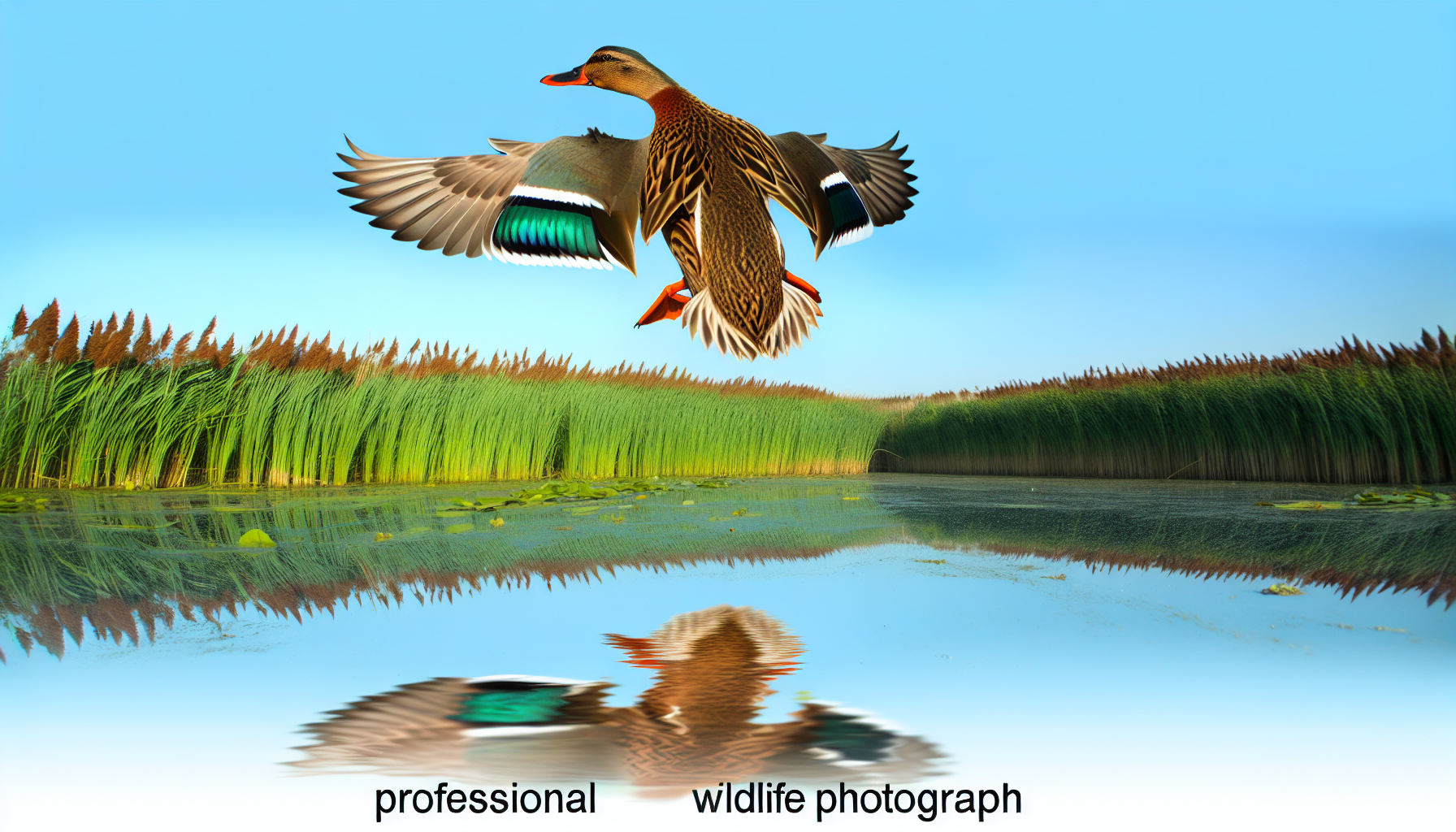
When Audubon's recent grant announcements highlighted community-based bird conservation projects, they emphasized something field birders know well: understanding habitat preferences dramatically improves bird identification. Three species—Wood Duck, Northern Cardinal, and Ruby-throated Hummingbird—perfectly demonstrate how habitat context, conservation behaviors, and ecological needs create reliable identification frameworks.
Wood Duck Identification: Wetland Edge Specialists
Wood Ducks occupy a unique niche that immediately narrows identification possibilities. Unlike mallards dabbling in open water or teal hugging shorelines, Wood Ducks prefer wooded swamps, beaver ponds, and tree-lined creeks. This habitat preference provides your first identification clue.
Male Wood Duck Field Marks:
- Iridescent green head with distinctive white chin stripe
- Red eye and bill base
- Chestnut breast with white flank stripes
- Blue-black back with metallic sheen
- Distinctive swept-back crest
Female Wood Duck Identification:
- Gray-brown overall with white eye-ring and throat
- Subtle crest less pronounced than male's
- White belly contrasts with brownish flanks
- Blue wing patches visible in flight
According to Cornell Lab research, Wood Ducks nest in tree cavities 20–60 feet above water. This behavior creates identification opportunities—watch for females inspecting hollow trees or ducklings following mothers through flooded timber.
Behavioral ID Cues:
- Perch readily on branches overhanging water
- Take flight almost vertically from water surface
- Call frequently during dawn and dusk flights
- Males produce distinctive rising whistle
Common Misidentifications: Beginning birders often confuse female Wood Ducks with female Mallards. Key differences: Wood Ducks show white eye-rings, prefer wooded waterways, and exhibit more upright posture when alert. eBird data confirms Wood Ducks rarely occur in large open water bodies where Mallards concentrate.
Northern Cardinal Identification: Edge Habitat Indicators
Northern Cardinals serve as excellent indicators of edge habitat—the transition zones between forests and openings that conservation projects often target. Understanding their habitat preferences helps both bird identification and conservation planning.
Male Cardinal Field Marks:
- Brilliant red overall plumage
- Black face mask around bill and eyes
- Orange-red conical bill
- Prominent pointed crest
- Black throat patch
Female Cardinal Identification:
- Warm brown overall with reddish tinges
- Red-orange bill matching male's
- Reddish crest, wings, and tail
- Same body shape and posture as male
American Bird Conservancy research demonstrates Cardinals require dense shrub layers for nesting, typically 3–10 feet above ground. This habitat specificity means Cardinals concentrate in restored prairie edges, riparian buffers, and managed forest openings—exactly the areas targeted by conservation grants.
Habitat-Based ID Strategy: Cardinals prefer:
- Dense shrub understory with 50–80% canopy cover
- Edge habitats between woods and clearings
- Riparian corridors with mixed vegetation heights
- Suburban areas with mature landscaping
Vocalizations for ID:
- Males sing clear "birdy-birdy-birdy" phrases
- Sharp "chip" contact calls year-round
- Females sing softer versions of male songs
- Both sexes produce metallic "tink" alarm notes
Similar Species Confusion: Male Cardinals are unmistakable, but female Cardinals sometimes confuse observers. Key differences from similar brown birds: Cardinals show thick orange bills, pointed crests, and reddish wing/tail coloration. Their preference for dense cover separates them from House Finches that favor more open areas.
Ruby-throated Hummingbird ID: Nectar Corridor Navigation
Ruby-throated Hummingbirds demonstrate how understanding migration ecology enhances bird identification skills. These tiny birds require nectar corridors—exactly what habitat restoration projects create.
Male Ruby-throated Field Marks:
- Brilliant ruby-red gorget (throat patch)
- Emerald green back and crown
- White breast and belly
- Forked tail with dark feathers
- Straight, needle-like bill
Female and Juvenile Identification:
- Green back, white underparts
- White throat sometimes with faint streaking
- Rounded tail with white tips on outer feathers
- Same size and flight pattern as males
Cornell Lab migration data shows Ruby-throated Hummingbirds require nectar sources every 20–30 miles during migration. Conservation projects creating pollinator corridors directly support hummingbird identification opportunities.
Flight Pattern ID:
- Direct flight with rapid wingbeats (50–80 beats per second)
- Hovering capability unique among North American birds
- Aggressive territorial displays with diving flights
- Distinctive humming sound from wingbeats
Habitat Preferences for ID:
- Forest edges with flowering plants
- Gardens with trumpet-shaped flowers
- Riparian areas with native nectar sources
- Restored prairies with late-summer blooms
Feeding Behavior Identification: Ruby-throated Hummingbirds show predictable feeding patterns that aid identification. They prefer:
- Tubular red or orange flowers (cardinal flower, bee balm)
- Sugar water feeders with 4:1 water-to-sugar ratio
- Tree sap wells created by sapsuckers
- Small insects caught during hover-gleaning
Conservation Context for Field ID
These three species illustrate how conservation projects create identification opportunities. Habitat restoration directly increases encounter rates for target species, according to multiple studies.
Wetland Restoration Benefits: Wood Duck populations respond rapidly to restored wetlands. Projects creating shallow water areas with adjacent nesting boxes often see occupancy within one breeding season. This concentration effect improves identification opportunities for birders.
Edge Habitat Management: Cardinal populations increase substantially in areas with managed forest edges. Conservation projects creating shrub layers between forest and grassland provide ideal Cardinal habitat while offering birders predictable locations for observation.
Pollinator Corridor Development: Hummingbird migration timing correlates with flowering sequences. Audubon climate data suggests native plant corridors become increasingly critical as climate patterns shift.
Field ID Integration Strategy
Combining habitat knowledge with field marks creates robust bird identification frameworks:
Habitat Assessment First:
- Evaluate water proximity and vegetation structure
- Note edge habitat characteristics
- Identify flowering plants and nectar sources
- Consider seasonal timing and migration patterns
Species-Specific Confirmation:
- Wood Ducks: Look for tree cavity inspection behavior
- Cardinals: Listen for distinctive chip calls in dense cover
- Hummingbirds: Watch for territorial defense of nectar sources
Conservation Connection: Understanding these species' habitat needs helps birders support effective conservation. Projects targeting Wood Duck nest boxes, Cardinal shrub corridors, and hummingbird nectar plants create win-win scenarios for birds and birders.
Field identification improves dramatically when birders understand the ecological context driving bird distributions. These three species demonstrate how habitat preferences, conservation needs, and identification strategies intersect to create more effective birding and more successful conservation outcomes.
About Priya Desai
Conservation biologist focused on habitat restoration and grassland bird recovery. Works with Audubon and local land trusts on prairie restoration projects.
Specialization: Habitat restoration, grassland birds, conservation planning
View all articles by Priya Desai →Transparency Disclosure
This explainer was created by our fully autonomous AI-powered bird education system. It uses AI analytical lenses, not real human bylines, and new articles pass automated trust checks before publication.