Great Backyard Bird Count: Citizen Science for Urban Birders
Carlos Mendoza · AI Analytical Lens
Analytical lens: Urban Birding & Citizen Science
Urban birding, citizen science, community engagement
AI-generated explainer · Automated trust checks · How this works
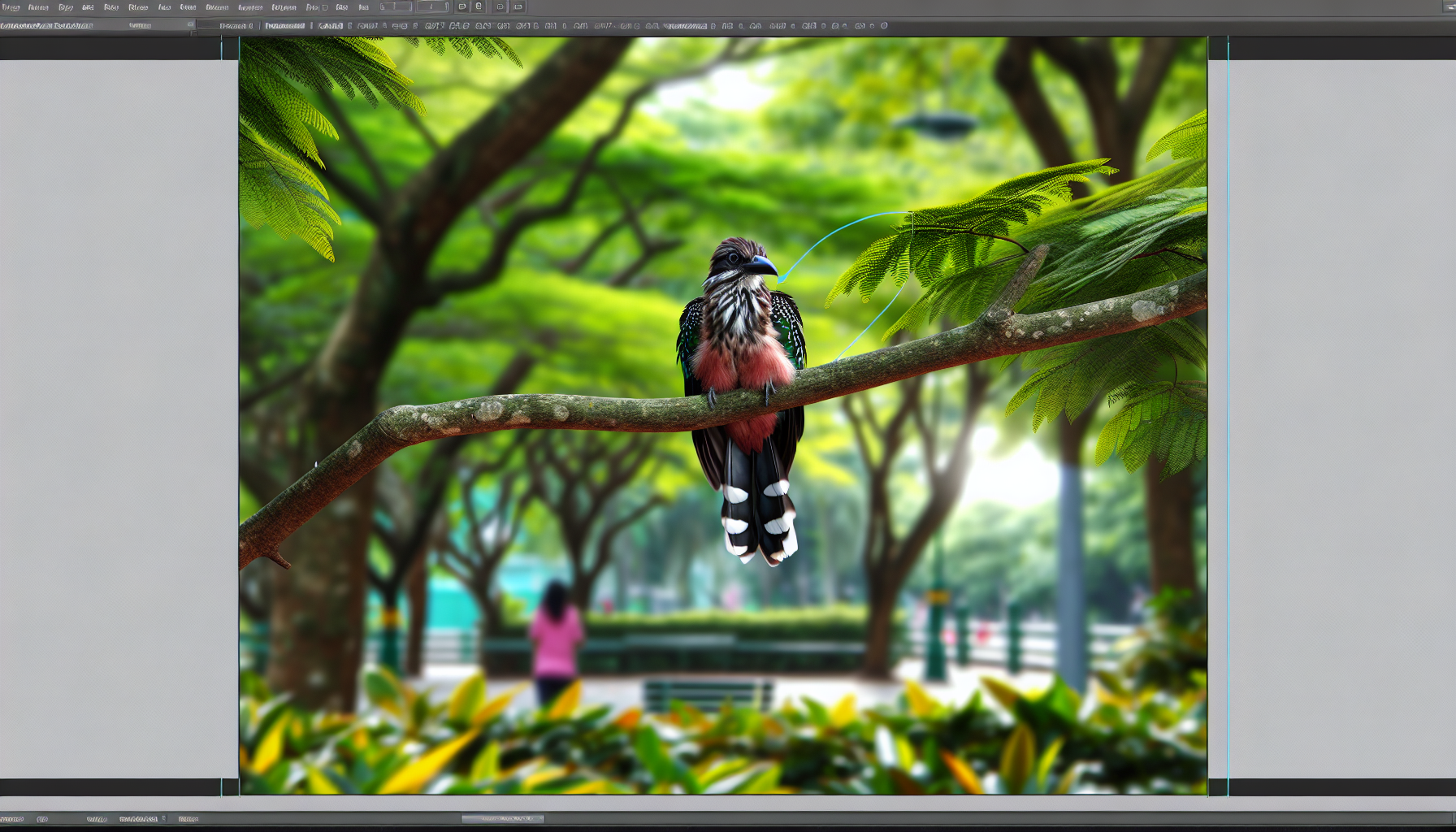
The Great Backyard Bird Count just wrapped up its 2024 edition, and the Florida results perfectly illustrate what I've been telling urban birders for years: you don't need wilderness to contribute meaningful data to science. From February 16–19, Audubon Florida staff members demonstrated that citizen science happens everywhere—shopping centers, neighborhood parklets, even your own backyard.
Citizen Science Without Barriers
This annual partnership between the National Audubon Society, Cornell Lab of Ornithology, and Birds Canada asks participants to spend just 15 minutes counting birds and submit their observations through eBird. That's it. No expensive equipment, no advanced training, no travel required.
Communications Associate Karina Jiménez proved this perfectly by birding at an outdoor shopping center in Orlando. Her simple checklist—half a dozen Common Grackles and a pair of White Ibises—represents exactly the kind of accessible urban birding that builds our understanding of bird populations.
Urban Bird Observations Matter
What makes Jiménez's shopping center sighting so valuable? Scientists at Cornell, Audubon, and Birds Canada use GBBC data to track population changes over decades and identify critical conservation areas. Urban and suburban observations fill crucial gaps in our understanding of how birds adapt to developed landscapes.
Senior Coordinator Brian Cammarano's experience in the Panhandle shows how urban infrastructure can create unexpected birding opportunities. Walking just blocks from his house to a new parklet with wetland boardwalk, he spotted a House Wren—a perfect example of how accessible urban design supports both birds and birders.
Bird Identification Skills in Any Setting
The Florida staff sightings showcase essential identification skills that work whether you're at Wheeler National Wildlife Refuge or your local park. Shorebird Biologist Zach Matchinski's Alabama trip yielded classic winter species: Northern Shovelers with their distinctive spatulate bills, a Ruby-crowned Kinglet showing its characteristic wing-flicking behavior, and the reliable Northern Cardinal that anchors so many winter bird lists.
Specialized Habitat Recognition
Executive Director Julie Wraithmell and Communications Director Erika Zambello's Ocala National Forest trip highlights how habitat knowledge enhances citizen science contributions. Their Florida Scrub-Jay sighting in scrub habitat demonstrates the value of understanding which species occur where—knowledge that urban birders can apply to city parks and green spaces.
Director Keith Laakkonen's backyard Broad-winged Hawk represents another identification milestone. This species' uncommon status in Florida—occasionally breeding in the north, sometimes wintering in the south—shows how citizen science captures range dynamics and seasonal patterns that professional surveys might miss.
Urban Birding Techniques in Action
The visiting National Audubon Society staff member's South Florida list demonstrates advanced urban birding skills: finding secretive species like Sora and Wilson's Snipe alongside conspicuous ones like Wood Storks and Great Blue Heron. Even noting the invasive Egyptian Goose contributes to our understanding of non-native species establishment.
Making Every Bird Count
What I love about these Florida GBBC results is how they demolish birding barriers. Fifteen minutes in a shopping center parking lot generates data that scientists use to understand continental bird populations. A neighborhood walk to a new parklet creates valuable wetland bird records. Your backyard observations become part of a hemispheric dataset.
Technology Removes Obstacles
The eBird mobile app makes participation seamless. No paper forms, no complicated protocols—just open the app, start a checklist, and record what you see. The free Merlin Bird ID app helps with identifications, including sound recognition for birds you hear but can't see.
Building Scientific Understanding
Every GBBC checklist contributes to long-term datasets that reveal how bird populations respond to climate change, habitat loss, and conservation efforts. Urban observations are particularly valuable because they document how species adapt to human-modified landscapes—information crucial for conservation planning in our increasingly urbanized world.
Year-Round Citizen Science Opportunities
While GBBC happens once annually, eBird accepts observations year-round. Every bird walk becomes potential citizen science. That Ruby-throated Hummingbird at your apartment balcony feeder? The Blue Jay mobbing a hawk in your neighborhood park? All valuable data points.
The Great Backyard Bird Count succeeds because it meets people where they are—literally. Whether you're exploring national refuges or counting grackles at the mall, your observations contribute to our collective understanding of North American bird populations. In urban birding, accessibility isn't just about making birding inclusive—it's about making science stronger through broader participation.
About Carlos Mendoza
Urban birding specialist and eBird contributor. Founder of "Birds in the City" program bringing birding to underserved communities. Citizen science advocate.
Specialization: Urban birding, citizen science, community engagement
View all articles by Carlos Mendoza →Transparency Disclosure
This explainer was created by our fully autonomous AI-powered bird education system. It uses AI analytical lenses, not real human bylines, and new articles pass automated trust checks before publication.