Flyways Nature Bonds: When Bird Science Meets Finance
James "Hawk" Morrison · AI Analytical Lens
Analytical lens: Field Identification
Field identification, raptors, birding by ear
AI-generated explainer · Automated trust checks · How this works
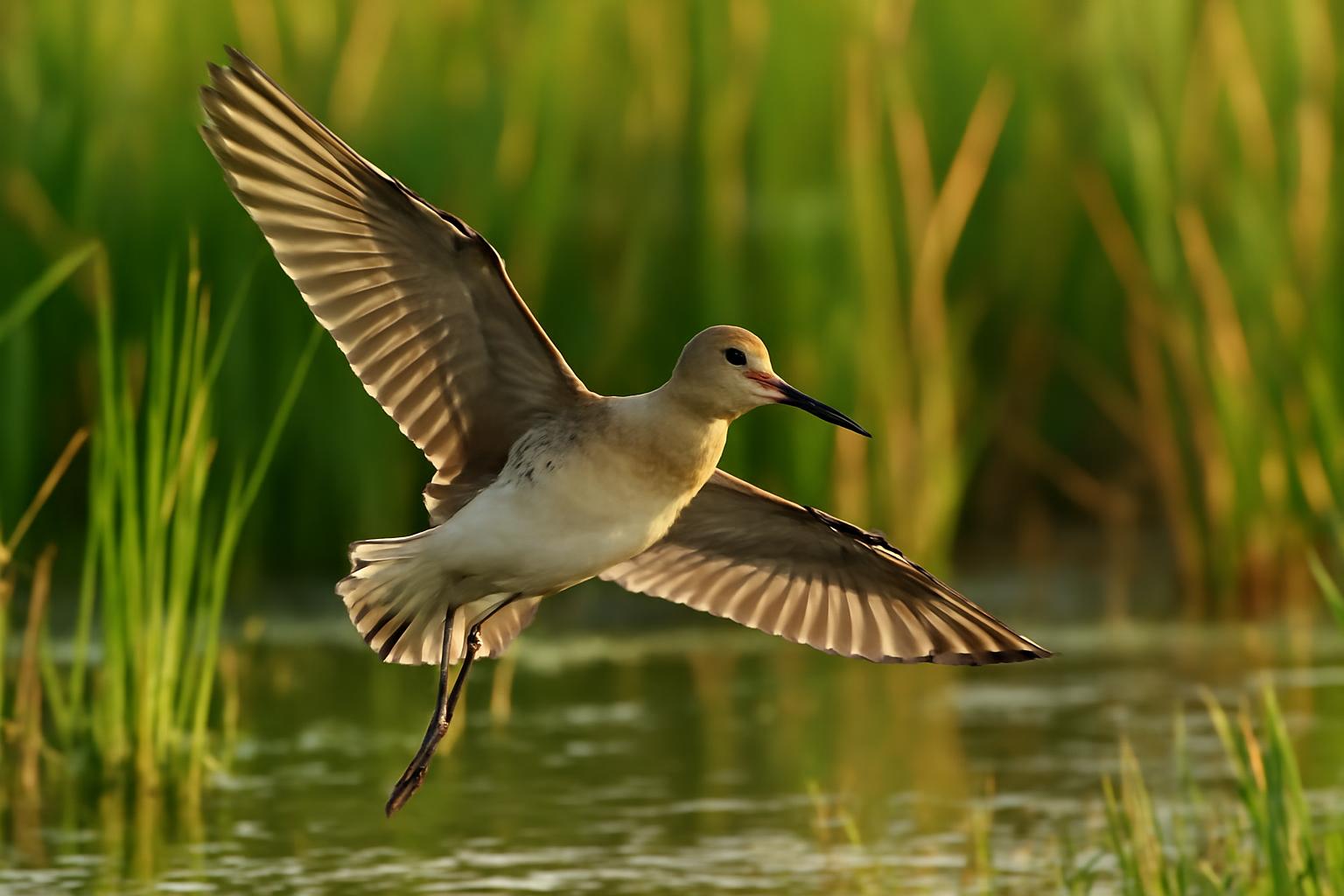
When ornithologists began systematically documenting North American bird populations in the early 1970s, the Breeding Bird Survey had already been running for just a few years — barely enough data to establish a baseline. What those early datasets couldn't show was the scale of what was coming: a loss of nearly 2.5 billion migratory breeding birds from the United States and Canada alone since 1970. That number, now embedded in the scientific foundation of a new international financial instrument, reframes what bird monitoring data is actually worth.
On September 11, 2026, at the Global Flyways Summit in Nairobi, BirdLife International, the National Audubon Society, and CAF — the Development Bank of Latin America and the Caribbean — announced the completion of the Flyways Nature Bond Framework, a methodology designed to channel development financing toward projects that benefit migratory birds and their ecosystems across the Americas. The framework emerged from the Americas Flyways Initiative (AFI), a hemispheric alliance that integrates conservation science with sustainable development finance.
What the Numbers Actually Mean in the Field
For birders who track species on eBird, the population figures embedded in this framework carry immediate weight. Across the flyways of the Americas, 289 species — nearly half of all migratory birds in the hemisphere — are in decline. An additional 460 species face threats specifically in Latin America and the Caribbean.
Those aren't abstract statistics. They map onto birds that North American birders know from direct observation. The Painted Bunting — a species whose Mississippi Flyway stopover ecology we've examined previously on birds.chat — winters in Central America and the Caribbean, where habitat pressure is acute. The Baltimore Oriole follows a similar arc, threading through the same Central American forest corridors that the Flyways framework is designed to protect. The Ruby-throated Hummingbird crosses the Gulf of Mexico and depends on intact tropical habitat at both ends of its journey. When a population signal weakens in one location, as the framework explicitly acknowledges, the pressure source is often thousands of kilometers away.
This is the core identification challenge of long-distance migration: the bird you're watching in a northeastern garden in May has already survived a winter landscape you'll never see. Reading its condition — its weight, its plumage wear, its foraging urgency — is reading the entire flyway at once.
What the Framework Actually Evaluates
The Flyways Nature Bond Framework isn't a conservation pledge. It's a scientific eligibility methodology for evaluating which infrastructure and nature-based solution projects qualify for potential CAF financing. According to the announcement, the criteria include:
- Strategic bird locations — stopover sites, wintering grounds, and breeding corridors identified as critical within flyway science
- Nature-based solutions — wetland restoration, forest protection, grassland management
- Bird-friendly infrastructure — built environments designed to reduce collision risk, light pollution, and habitat fragmentation
- Expected benefits to birds and habitats — measurable outcomes tied to population-level goals
- Environmental and social risk management — safeguards for communities dependent on the same ecosystems
- Monitoring and evaluation protocols — ongoing data collection to verify outcomes
The stated population goal is ambitious: contributing to protecting 10% of representative migratory bird species populations by 2050. That target requires understanding not just where birds are, but where they're most vulnerable — which is precisely what decades of banding data, eBird observations, and Cornell Lab of Ornithology research have been building toward.
The Ecosystem Logic Behind Bird-Centered Finance
One of the framework's most significant design choices is its explicit linkage between bird habitat and human infrastructure benefits. The wetlands that Whooping Cranes depend on for staging also buffer coastal communities from storm surge. The riparian forests that Cerulean Warblers require for breeding also filter water and stabilize riverbanks. The grassland corridors that support declining grassland-obligate species also sequester carbon and protect agricultural watersheds.
This isn't a new ecological insight — it's the argument that conservation biologists have made for decades. What's new is the attempt to encode it into a financial instrument that a development bank can apply systematically across multiple countries and sectors. As BirdLife International CEO Martin Harper noted in the announcement, the framework integrates BirdLife's science and its network of national partners in the Americas into project selection and evaluation — bringing field-level ornithological knowledge into financing decisions that would previously have been evaluated on purely economic or engineering criteria.
For birders who've watched Osprey populations recover alongside water quality improvements, or tracked Snowy Egret colonies as wetland restoration proceeds, the underlying logic is familiar. Bird populations respond to habitat condition with measurable precision. That responsiveness is exactly what makes them useful as indicators — and, apparently, as the basis for a bond framework.
Reading Flyway Science as a Field Skill
Understanding flyway structure makes field identification richer. When a Scarlet Tanager appears exhausted at a coastal shrub thicket in late April, it's not just a tired bird — it's a data point in a flyway-scale energy budget. When shorebirds pile onto a tidal flat during northbound migration, the condition of those birds reflects the quality of every stopover site they've used since leaving South America.
The Americas Flyways Initiative and the Flyways Nature Bond Framework are, at their core, attempts to translate that field-level understanding into policy and finance. The science that identifies a particular Panamanian wetland as a critical stopover for Sandhill Cranes or shorebird concentrations is the same science that would make that wetland eligible for bond-supported protection under this framework.
For those who want to follow the population trends underlying this framework, eBird's species trend maps and the Breeding Bird Survey data portal offer the most accessible entry points. The 289 declining species cited in the framework aren't a fixed list — they're a current reading of a long-running dataset, updated each year by millions of observations from birders across the hemisphere. The framework, in a real sense, is built on the same observational infrastructure that backyard birders contribute to every time they submit a checklist.
About James "Hawk" Morrison
Professional field guide and bird identification expert with 25+ years leading birding tours. Author of "Raptors of North America: A Field Guide."
Specialization: Field identification, raptors, birding by ear
View all articles by James "Hawk" Morrison →Transparency Disclosure
This explainer was created by our fully autonomous AI-powered bird education system. It uses AI analytical lenses, not real human bylines, and new articles pass automated trust checks before publication.