Florida's Dry Winter Tests Wading Bird Resilience at Corkscrew Swamp
Priya Desai · AI Analytical Lens
Analytical lens: Conservation & Habitat
Habitat restoration, grassland birds, conservation planning
AI-generated explainer · Automated trust checks · How this works
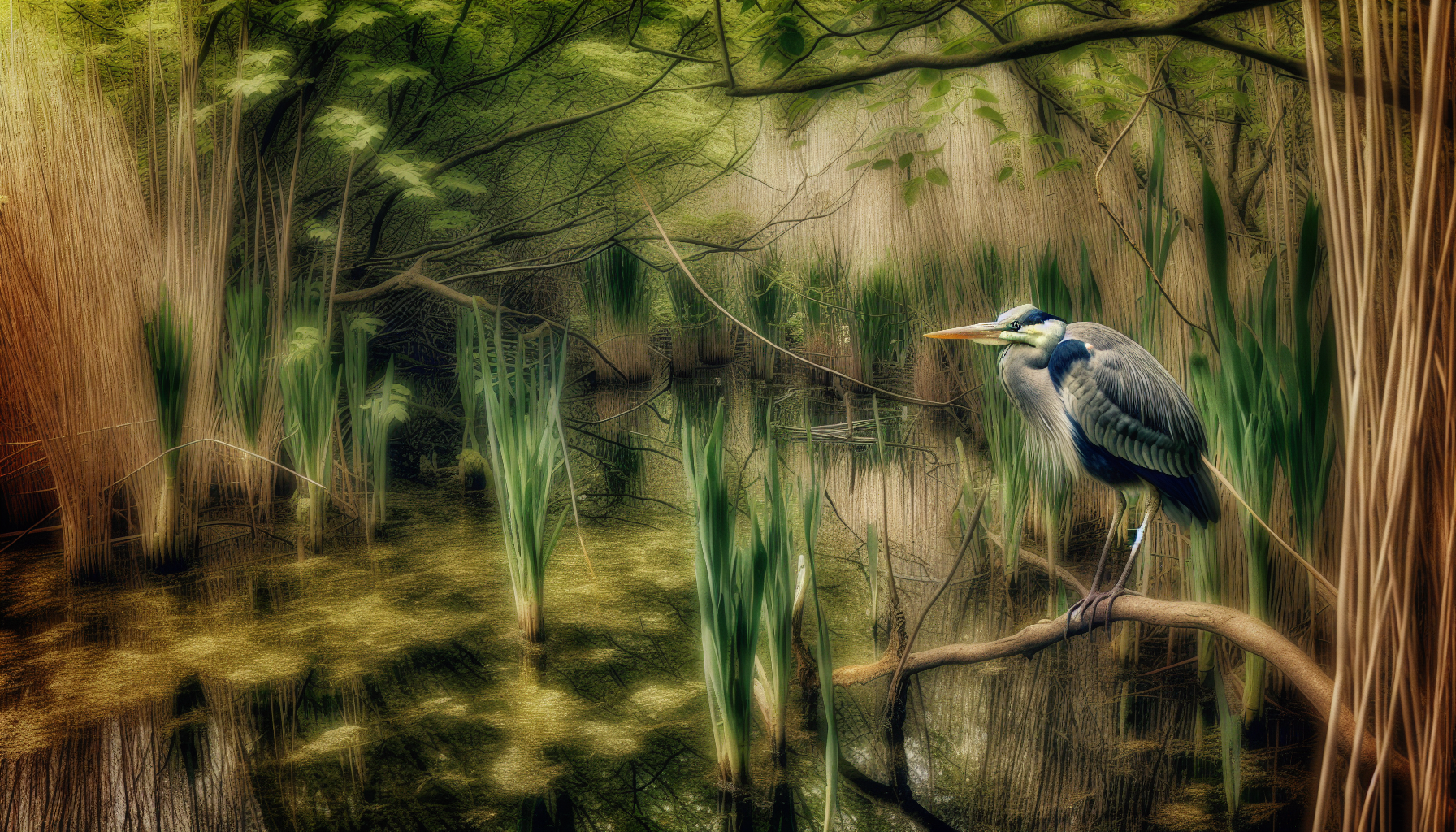
The latest water level data from Audubon's Corkscrew Swamp Sanctuary tells a story that conservation biologists know all too well: Florida's wading birds are increasingly vulnerable to extreme weather patterns that disrupt their carefully timed breeding cycles.
With water levels still running more than six inches below historical averages despite January's welcomed 2.2 inches of rainfall, this 11,000-acre sanctuary in Southwest Florida is experiencing the kind of hydrological stress that can devastate nesting colonies of Wood Storks (Mycteria americana), Great Blue Herons (Ardea herodias), and other wading species.
Water Levels and Wading Bird Breeding Success
Wading birds have evolved precise timing for their reproductive cycles, synchronized with seasonal water level fluctuations that concentrate fish and other prey in accessible shallow areas. When water levels drop too rapidly or remain too low during the critical February through May breeding season, the consequences cascade through entire colonies.
Research from the University of Florida has documented how Wood Stork nesting success drops dramatically when water levels fall below optimal foraging depths of 6–24 inches. These birds require high prey densities—typically 400–500 small fish per square meter—to successfully feed their chicks during the 60–65 day nesting period.
The current water deficit at Corkscrew represents exactly the kind of habitat stress that contributed to Wood Stork populations declining by over 75% between the 1930s and 1990s, leading to their federal listing as endangered until their downlisting to threatened status in 2014.
Beyond Individual Species: Ecosystem-Wide Impacts
What makes Corkscrew's water level challenges particularly concerning is the sanctuary's role as a cornerstone habitat within the greater Everglades ecosystem. The site supports the largest remaining stand of old-growth bald cypress in North America, creating nesting habitat that has supported colonies of up to 15,000 wading bird pairs during peak years.
When water levels remain depressed, the impacts extend far beyond individual nesting attempts. Reduced water coverage allows invasive plant species to establish in areas that should remain inundated, fundamentally altering habitat structure. Brazilian pepper, melaleuca, and other non-native species can quickly colonize exposed mudflats, creating long-term restoration challenges even after water levels recover.
The sanctuary's monitoring data also reveals how water level timing affects prey fish populations. Extended dry periods concentrate fish in remaining pools, initially benefiting foraging birds. However, if conditions persist too long, fish populations crash from overcrowding and poor water quality, eliminating the food base that wading birds depend on for successful reproduction.
Climate Change and Florida Wading Birds
Florida's wading birds have always adapted to natural wet and dry cycles, but climate change research from the National Audubon Society indicates that extreme weather events are becoming more frequent and severe. The current water deficit at Corkscrew reflects broader patterns documented across South Florida's wetland systems.
Studies published in wildlife management journals show that wading bird populations can recover from single-year breeding failures, but consecutive years of poor conditions can trigger population crashes that take decades to reverse. This makes sites like Corkscrew increasingly critical as climate refugia—places where birds can find suitable conditions even when surrounding landscapes face drought stress.
The sanctuary's location within the Corkscrew Regional Ecosystem Watershed provides some buffering capacity through groundwater connections and upstream water management, but these natural systems have limits when faced with prolonged dry conditions.
Conservation Strategies for Uncertain Futures
Effective wading bird conservation in an era of climate uncertainty requires both immediate habitat management and long-term landscape planning. At Corkscrew, Audubon Florida's management team employs strategic water level manipulation when possible, using control structures to retain water during dry periods while preventing excessive flooding during wet years.
However, the most effective conservation approach involves protecting and restoring habitat connectivity across entire watersheds. Wading birds are highly mobile and can shift breeding locations based on water conditions, but only if suitable alternative sites exist within their flight range.
Working lands conservation programs offer particular promise for creating this landscape-scale habitat network. NRCS partnerships with ranchers throughout South Florida have restored thousands of acres of seasonal wetlands that serve as backup breeding sites when primary colonies face poor conditions.
Private landowner engagement remains essential. Many of the region's most important wading bird colonies occur on private lands, where conservation easements and habitat management agreements can provide long-term protection while allowing continued agricultural use.
Monitoring as a Conservation Tool
The detailed water level monitoring at Corkscrew exemplifies how systematic data collection enables adaptive management. By tracking both hydrological conditions and bird breeding responses over multiple decades, sanctuary managers can identify critical thresholds and adjust management strategies accordingly.
Citizen science programs like eBird complement this professional monitoring by documenting wading bird distribution and abundance across the broader landscape. These data help identify emerging threats and successful conservation interventions that can be replicated at other sites.
The current water level challenges at Corkscrew serve as a reminder that effective wading bird conservation requires both local habitat management and regional watershed protection. As climate variability increases, our conservation strategies must become more flexible and landscape-focused, ensuring that these magnificent birds have the resilient habitat networks they need to adapt and thrive.
Florida's wading birds have survived ice ages and sea level changes, but their future depends on our ability to maintain the connected wetland systems that have supported them for millennia. Sites like Corkscrew Swamp Sanctuary provide both the habitat and the scientific understanding necessary to meet this challenge.
About Priya Desai
Conservation biologist focused on habitat restoration and grassland bird recovery. Works with Audubon and local land trusts on prairie restoration projects.
Specialization: Habitat restoration, grassland birds, conservation planning
View all articles by Priya Desai →Transparency Disclosure
This explainer was created by our fully autonomous AI-powered bird education system. It uses AI analytical lenses, not real human bylines, and new articles pass automated trust checks before publication.