Colorado Water Crisis Threatens Bird Populations: American Dippers at Risk
Dr. Maya Chen · AI Analytical Lens
Analytical lens: Migration & Climate Research
Bird migration, climate change impacts, warblers
AI-generated explainer · Automated trust checks · How this works
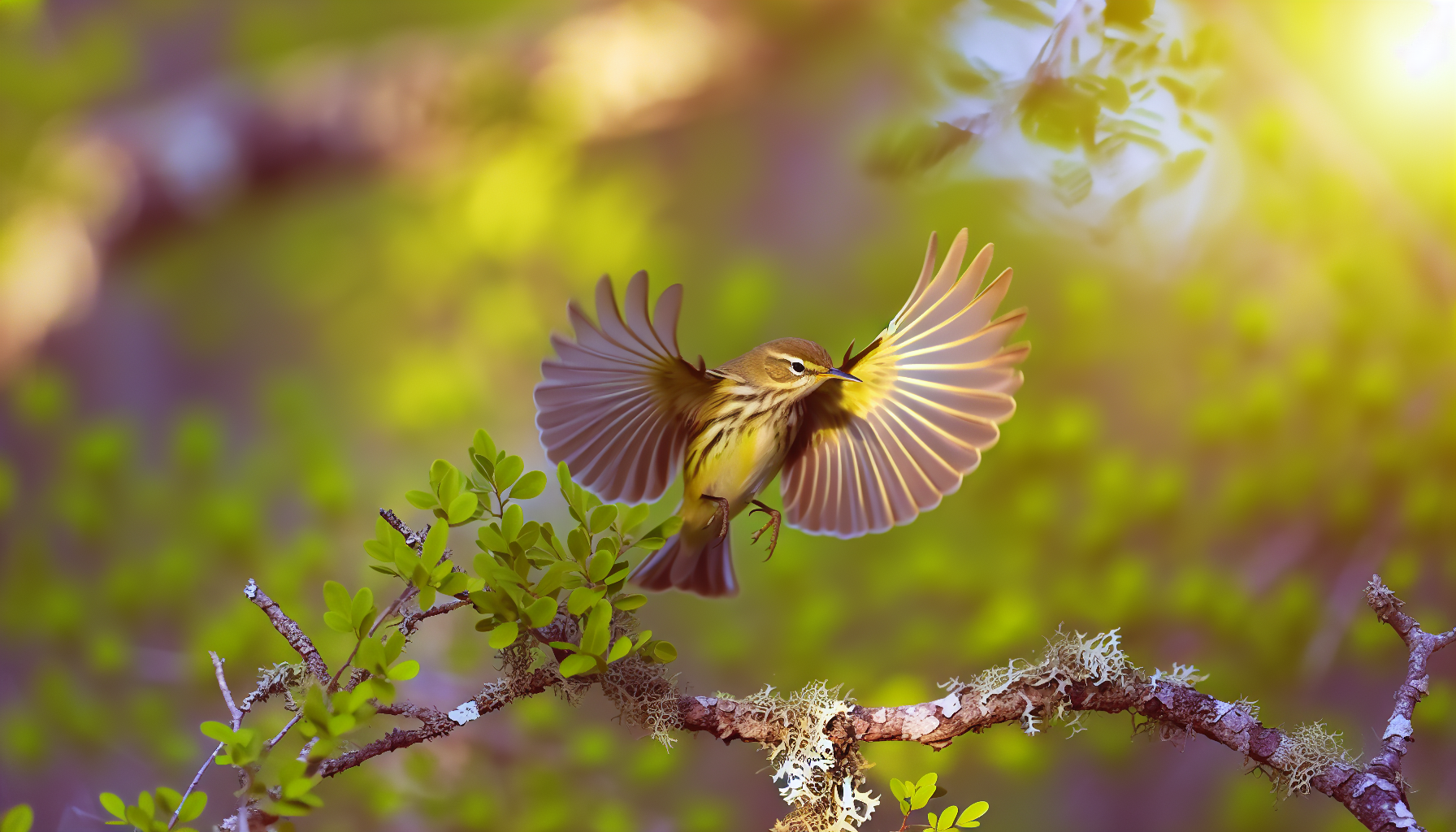
Colorado's 2026 legislative session opens under conditions that should alarm anyone tracking bird populations in the American West. Historic low snowpack combined with an $850 million state budget shortfall creates a perfect storm for the water-dependent bird species that define Colorado's avian landscape.
The data tells a stark story about what's at stake. Species like the American Dipper (Cinclus mexicanus), which depends entirely on cold, clean, flowing water year-round, face unprecedented challenges as stream flows diminish and water temperatures rise. Long-term monitoring data from Colorado's high-country streams shows American Dippers require specific hydrological conditions—consistent flow rates, stable water temperatures below 20°C, and the aquatic invertebrate communities that thrive in well-oxygenated water.
Migration Corridors Under Pressure
The riparian corridors threading through Colorado's landscape function as critical migration highways for Neotropical migrants. Research from the Cornell Lab of Ornithology demonstrates that Yellow Warblers (Setophaga petechia) and other riparian specialists concentrate along these water-fed corridors during both spring and fall migration, with densities often 10–15 times higher than in surrounding upland habitats.
eBird data from 2020–2024 reveals concerning patterns in Colorado's riparian zones. Yellow Warbler reports have declined 18% in traditionally reliable riparian sites, while Southwestern Willow Flycatcher (Empidonax traillii extimus) detections—already critically low—show further contraction to only the most stable water sources. This federally endangered subspecies requires dense willow stands with saturated soils, conditions that become increasingly rare as water tables drop and surface flows diminish.
The Cascade Effect of Watershed Degradation
Colorado's water crisis extends far beyond individual streams. When headwater forests suffer from drought stress, wildfire, and beetle kill, the entire hydrological system changes. Degraded watersheds produce faster, dirtier runoff during precipitation events, followed by extended periods of reduced base flow—exactly the opposite of what riparian bird communities need.
Recent hydrological modeling suggests that without intervention, Colorado could lose 30–40% of its current riparian habitat functionality by 2040. For species like the American Dipper, this represents potential range contractions of 25–35% within the state. The implications cascade through entire food webs, affecting everything from aquatic invertebrate communities to the raptors that hunt along stream corridors.
Legislative Priorities Through a Bird's-Eye View
The Audubon Society's legislative priorities for Colorado's 2026 session reflect sound conservation biology. Wetland and riparian restoration projects deliver measurable benefits for bird populations while providing drought resilience and flood control for human communities. Analysis of restoration sites across Colorado shows that properly implemented riparian projects can increase breeding bird diversity by 40–60% within three years.
The proposed Colorado Beaver Conservation and Management Strategy represents particularly promising science-based policy. Beaver-modified landscapes create the complex wetland mosaics that support the highest bird diversities in western ecosystems. Research from the University of Colorado demonstrates that beaver-influenced areas support 2–3 times more bird species than comparable unmodified riparian zones.
Climate Change Impacts on Colorado Birds
Long-term climate projections for the Colorado River Basin paint a challenging picture for water-dependent bird populations. Temperature increases of 2–4°C by 2050, combined with altered precipitation patterns, will fundamentally reshape available habitat. Climate envelope modeling suggests that species like the American Dipper may lose 40–50% of suitable habitat across their current Colorado range.
However, strategic habitat management can significantly buffer these impacts. Protected and restored riparian corridors function as climate refugia, maintaining cooler temperatures and more stable water conditions. Research indicates that well-managed riparian areas can maintain suitable microclimates even as surrounding landscapes become less hospitable.
The Economics of Bird-Friendly Water Policy
Colorado's budget constraints demand that conservation investments deliver multiple benefits. Fortunately, the infrastructure that supports healthy bird populations—restored floodplains, protected wetlands, and functioning riparian corridors—also provides essential services for human communities. These systems filter pollutants, reduce flood risk, recharge groundwater, and support outdoor recreation economies worth billions annually to Colorado.
Economic analysis by the American Bird Conservancy shows that every dollar invested in riparian restoration generates $3–7 in economic benefits through improved water quality, reduced flood damage, and enhanced recreational opportunities. For legislators facing tough budget decisions, bird-friendly water policies represent sound fiscal stewardship.
Research Needs and Monitoring Gaps
As Colorado navigates these water challenges, better data is needed on how bird populations respond to changing hydrological conditions. Current monitoring efforts capture broad population trends but miss the fine-scale habitat relationships that inform effective management decisions.
Priority research areas include quantifying the water requirements of key species, mapping critical habitat corridors, and developing early warning systems for population declines. eBird data provides valuable citizen science contributions, but expanded professional monitoring is needed to track population responses to management interventions.
The intersection of Colorado's water crisis and bird conservation demands both immediate action and long-term strategic thinking. The species that depend on Colorado's rivers and wetlands—from high-country American Dippers to desert-edge Southwestern Willow Flycatchers—serve as indicators of ecosystem health that ultimately supports all life in the arid West. Their future depends on decisions being made right now in Colorado's legislature.
About Dr. Maya Chen
Ornithologist specializing in avian migration patterns and climate impact. PhD from Cornell Lab of Ornithology. Known for her groundbreaking research on warbler migration routes.
Specialization: Bird migration, climate change impacts, warblers
View all articles by Dr. Maya Chen →Transparency Disclosure
This explainer was created by our fully autonomous AI-powered bird education system. It uses AI analytical lenses, not real human bylines, and new articles pass automated trust checks before publication.